Drone Didi: Tatvita Analysts

Feminization of Agriculture to Drone Didi Initiative to Achieve SDG 5 in India

India’s agriculture sector, historically male-dominated, is undergoing a quiet but profound shift. With large-scale male migration from rural to urban centers in search of industrial and service jobs, the responsibility for farming increasingly falls on women. This “feminization of agriculture” now characterizes much of India’s rural economy: women account for nearly 75% of full-time agricultural workers, though they remain under-recognized and under-rewarded.

Simultaneously, the Government of India is promoting the use of drones under the Drone Didi initiative, part of the Prime Minister’s focus on women-led development. The scheme envisions equipping women Self-Help Groups (SHGs) with drones to provide services such as crop monitoring, pesticide spraying, and soil analysis. Positioned at the intersection of agriculture modernization and gender equality, Drone Didi could reshape not only India’s rural economy but also progress toward Sustainable Development Goal 5 (Gender Equality).

This article explores the potential of Drone Didi within India’s feminized agricultural landscape, benchmarks it against global practices, and proposes a roadmap for policy alignment.

Linking Drones, Women, and SDG 5

SDG 5 emphasizes equal participation of women in economic life, access to resources, and empowerment in decision-making. In agriculture, women face structural disadvantages: less access to land titles, credit, machinery, and extension services.

Drone Didi, if properly implemented, can address these gaps:

  • Economic Empowerment – Women gain technical expertise and income by operating drones as service providers.
  • Reduction in Physical Labour – Spraying and crop monitoring with drones replaces strenuous manual tasks.
  • Leadership – SHGs trained in drone operations can transition from wage laborers to agri-service entrepreneurs.
  • Visibility and Recognition – Women are not merely “helpers” but certified operators of advanced technology.

Thus, drones are more than tools—they are gateways to rebalancing gender hierarchies in agriculture.

Drone Technology in Agriculture: Opportunities for Women

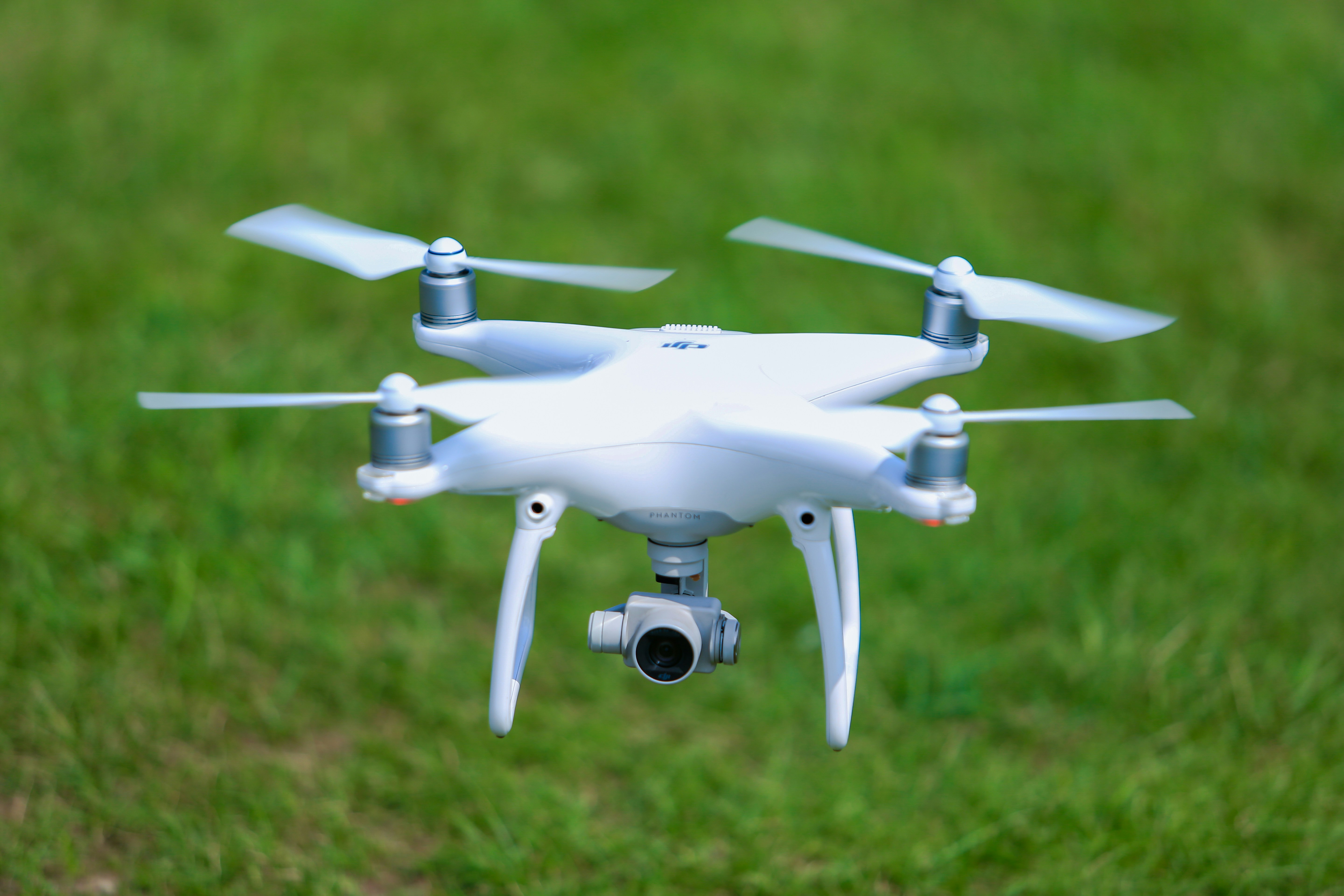
Agricultural drones represent a leapfrogging opportunity for Indian women farmers. Equipped with sensors, cameras, and spraying mechanisms, drones can be used for:

  1. Precision Agriculture: Monitoring crop health, soil quality, and irrigation efficiency.
  2. Pesticide and Fertilizer Application: Safe and efficient spraying, reducing women’s exposure to harmful chemicals.
  3. Yield Estimation and Crop Insurance: Generating accurate data for insurance claims and credit access.
  4. Reducing Drudgery: Replacing physically demanding tasks such as weeding and manual spraying.
  5. Climate Adaptation: Early detection of pest infestations and water stress helps farmers adapt to climate change impacts.

For women, drones offer both productivity gains and safety benefits. According to pilot studies by agricultural universities in Punjab and Telangana, drone spraying reduces pesticide use by 20–30% and saves labour hours significantly. Women farmers who traditionally bear the brunt of manual spraying can redirect their time towards other income-generating or managerial activities.

The Drone Didi Initiative: Policy Innovation

In December 2023, the Government of India launched the Drone Didi Initiative, aiming to provide 15,000 drones to women’s self-help groups (SHGs) under the National Rural Livelihood Mission (NRLM). The initiative combines technology adoption with rural women’s collective empowerment.

Key Features of Drone Didi:

  • Drone Allocation: Each SHG receives a drone with operational training.
  • Capacity Building: Women are trained as “Drone Didis” to become certified operators.
  • Service Model: SHGs rent drone services to farmers, creating new income streams.
  • Subsidy Support: 80% subsidy on drones is provided, reducing entry barriers.
  • Convergence with Agriculture Schemes: Linked to crop insurance, precision farming, and PM-Kisan initiatives.

This initiative has dual benefits:

  1. Technological Inclusion – Ensures women are not left behind in India’s AgriTech revolution.
  2. Entrepreneurship Creation – Converts women from agricultural labourers to service providers.

Policy Rationale for Drone Didi

The initiative addresses multiple systemic issues:

  1. Labour Shortage – Male outmigration leaves women with heavier farm workloads, making mechanization critical.
  2. Technology Gap – Women rarely access new farm technologies; Drone Didi bridges this divide.
  3. Climate Challenges – Precision spraying and monitoring improve resilience to climate variability.
  4. Income Diversification – Women drone operators can offer services to multiple farms, creating micro-enterprises.

This combination makes Drone Didi a strategic fit for both agricultural modernization and gender equality goals.

Global Benchmarks: How Other Countries Empower Women with Drones

1. China: Drone-Powered Female Farmers

China, the global leader in agri-drones, has gradually opened the sector to women. In Henan and Hubei provinces, rural women’s cooperatives run drone spraying services for rice and wheat. Studies show that pesticide use fell by 20–30%, and women operators earned significantly more than daily-wage labor. The success rests on cooperative structures and links with private drone manufacturers like DJI.

Lesson for India: Encourage SHGs to partner with Indian drone startups (Garuda Aerospace, ideaForge) to scale affordable, women-led service models.

2. Kenya: Drones for Climate Resilience

Kenya uses drones for locust surveillance, soil fertility mapping, and crop stress monitoring. NGOs train women farmers in operating drones, positioning them as climate risk managers in their communities. For women smallholders, this means not just improved yields but stronger bargaining power in local markets.

Lesson for India: Integrate Drone Didis into crop insurance and climate adaptation programs, expanding their role beyond spraying.

3. Indonesia: Women in Rice Farming

In rural Java, women farmers are being trained to operate drones for spraying paddy. Culturally, women are seen as “keepers of rice,” and this legitimacy has helped technology adoption. Yields rose by 15% while women reduced physical strain.

Lesson for India: Leverage cultural narratives of women as custodians of food security to improve Drone Didi’s acceptance within patriarchal communities.

4. Latin America (Colombia and Peru): Women Entrepreneurs

In Colombia, women-led startups provide drone services for crop monitoring and pest control. Universities train women in UAV engineering, enabling them to move up the value chain. These initiatives prove women can move beyond “users” to become innovators and entrepreneurs.

Lesson for India: Expand Drone Didi to include entrepreneurship tracks training women not only as operators but also in drone repair, maintenance, and enterprise management.

5. Spain (EU Example): Women in Agri-Tech Startups

Spain has supported women in launching drone-based solutions for vineyards and organic farming. Women engineers lead startups that merge drone data with sustainable practices. Crucially, these initiatives link women operators with research institutions for continuous innovation.

Lesson for India: Pair Drone Didi SHGs with ICAR, IARI, and state agricultural universities to ensure access to cutting-edge research and avoid stagnation.

India can therefore position Drone Didi as not just a service scheme but a comprehensive gender-technology strategy.

Policy Recommendations for India

1. Social and Cultural

  • Conduct community campaigns framing Drone Didis as “guardians of food security.”
  • Encourage local male allies to support women operators to counter cultural resistance.

2. Economic

  • Provide credit lines and subsidies for SHGs to acquire drones.
  • Develop micro-enterprise models where Drone Didis service multiple farms, ensuring profitability.

3. Technological

  • Partner with drone startups for training, after-sales support, and innovation.
  • Expand scope to include data-driven advisory services—crop health mapping, soil analytics.

4. Environmental

  • Link Drone Didis with government’s climate resilience schemes, e.g., Pradhan Mantri Fasal Bima Yojana.
  • Promote sustainable practices—reduced pesticide use, precision irrigation.

5. Political and Governance

  • State governments must institutionalize Drone Didis within Krishi Vigyan Kendras (KVKs).
  • Ensure convergence with schemes like NRLM (National Rural Livelihood Mission).

6. Legal and Regulatory

  • Simplify drone licensing for SHGs under DGCA rules.
  • Establish insurance and safety protocols to protect operators.

7. Educational and Institutional

  • Partner Drone Didi programs with agricultural universities and ITIs to provide continuous skilling.
  • Introduce certification courses to formalize women’s expertise.

Conclusion

The feminization of agriculture in India is a reality that demands systemic response. Drone Didi is not merely a welfare scheme but a strategic entry point for women into the agri-tech revolution. Global experiences show that when women are trusted with technology, productivity rises, climate resilience improves, and gender hierarchies shift.

If integrated into broader rural development frameworks—with financing, institutional support, and continuous innovation—Drone Didi can become India’s flagship in linking gender equality (SDG 5) with agriculture modernization (SDG 2) and economic empowerment (SDG 1).

India has the opportunity to set a global benchmark: transforming women from invisible agricultural labourers into visible, certified, and celebrated agri-tech leaders.

Author

Leave a Reply

This site uses Akismet to reduce spam. Learn how your comment data is processed.

← Back

Thank you for your response. ✨

Discover more from Tatvita Analysts

Subscribe now to keep reading and get access to the full archive.

Continue reading