
Author: Tatvita Analysts
-

What Makes a Trip Worth Your Money and Time?
The economics of a better holiday is not about spending the least. It is about getting more satisfaction from the money, time and attention you have. A holiday is an economic decision before it is a travel decision. You have limited money, limited leave and limited energy, but almost unlimited choices about where to go,…
-

From Pilot to Scale: What India Can Learn from Policy Pilots
Why promising interventions can produce different results at scale and how governments can use pilot evidence to strengthen nationwide implementation? Pilot studies help governments test whether an intervention can work before committing public resources at scale. But a successful pilot answers only one question: can this intervention work under the conditions in which it was…
-

India’s Female Employment Gap: Where Is the Real Bottleneck?
PLFS data for April–August 2026 reveal three distinct challenges: bringing more women into the labour force, converting urban participation into employment, and improving young women’s transition into work. India’s gender employment challenge is often discussed through a single indicator female labour-force participation. But the latest Periodic Labour Force Survey (PLFS) data reveal that the problem…
-
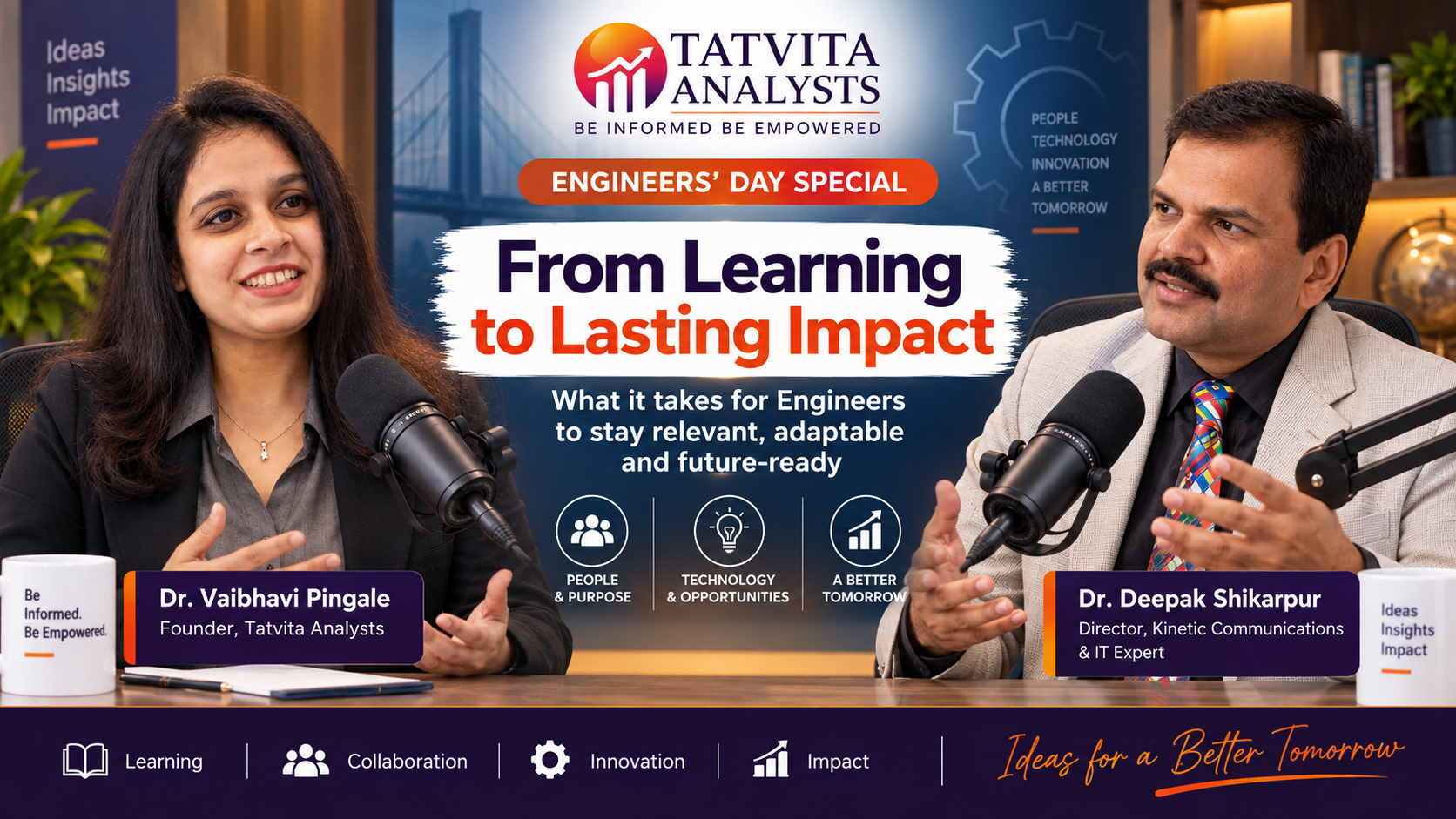
Wednesday Wisdom – Engineer’s Day Special with Dr. Deepak Shikarpur
From Engineer to Innovator: Building a Future-Ready Career in the Age of AI 1. You began your career as a mechanical engineer in the 1980s, when computing was only beginning to transform industry. Looking back, which technological shifts most fundamentally changed engineering, and how did you adapt to them? I graduated in 1985 as a…
-
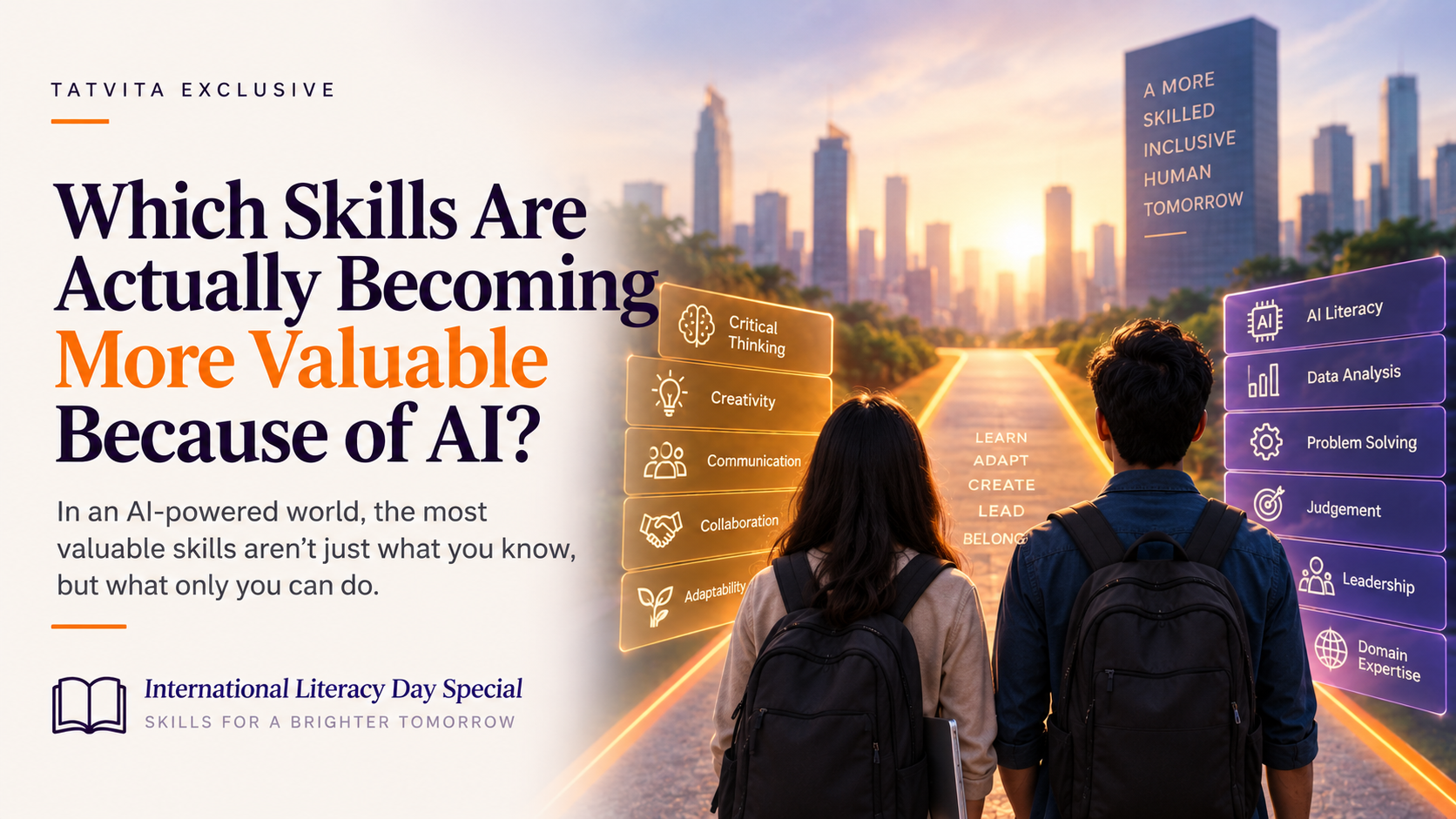
Which Skills Are Actually Becoming More Valuable Because of AI?
For years, the dominant question about artificial intelligence and employment has been: Which jobs will AI replace? For a student deciding what to learn, a young professional planning a career, or an experienced employee trying to remain relevant, there is a more useful question: Which skills are becoming more valuable because AI exists? The distinction…
-
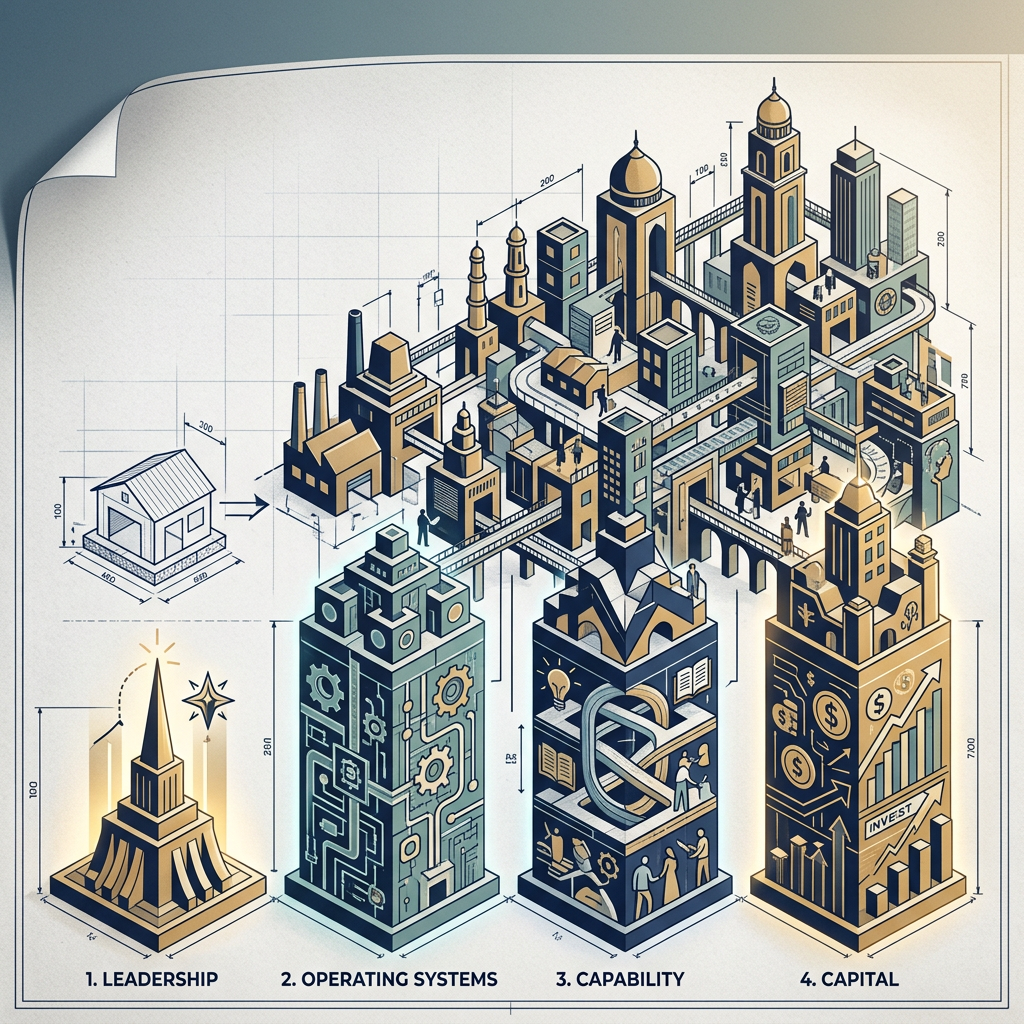
What Helps a Successful Business Reach Its Next Stage of Growth?
As businesses expand, the systems that supported their early success may need to evolve. Evidence from India and global companies shows what leaders can strengthen before pursuing the next stage of scale. Before You Scale Further, Know What Needs to Change Continue reading to examine: ✓ When founder-led decision-making starts constraining growth✓ Which operating systems…
-
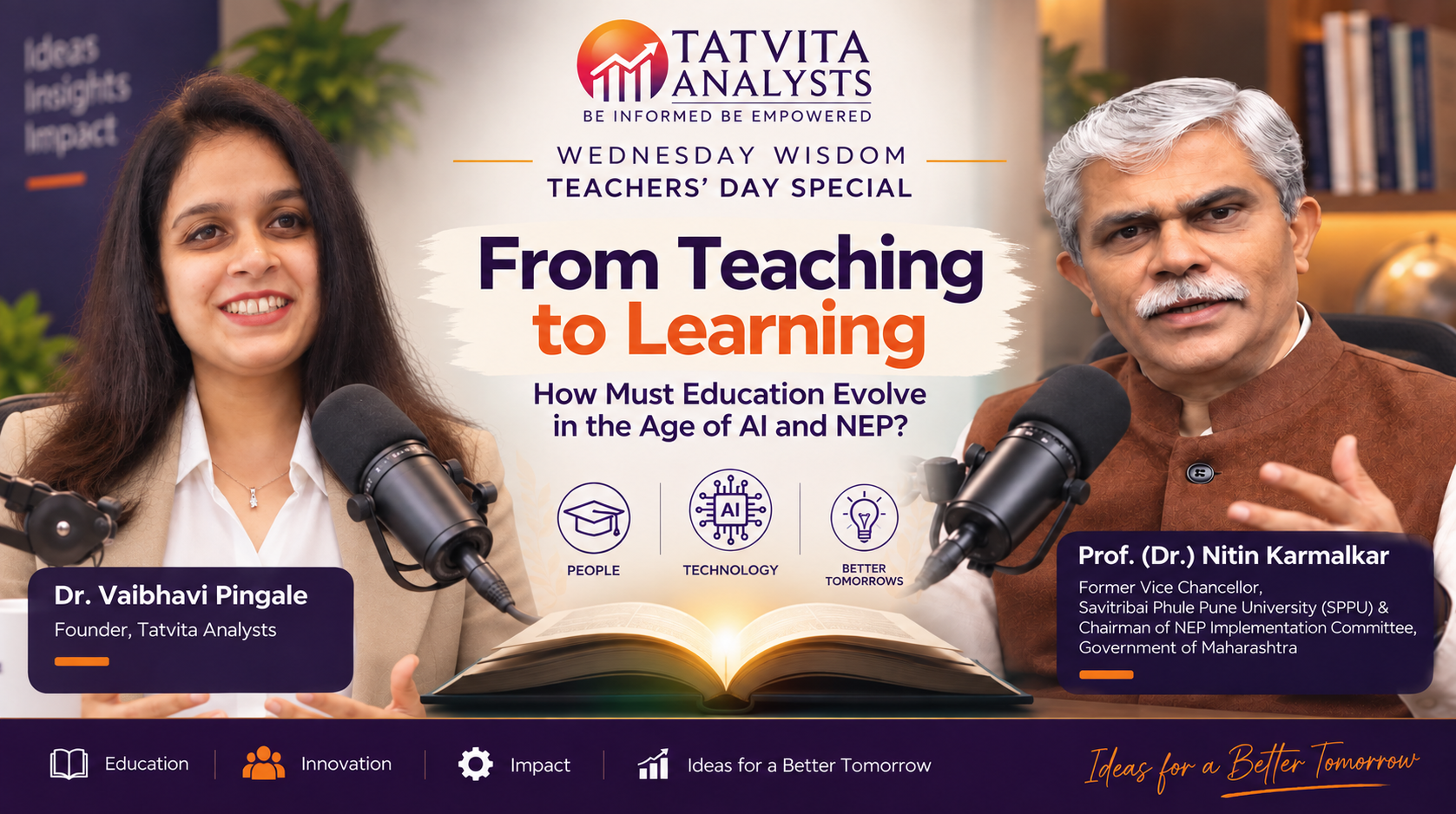
Wednesday Wisdom – Teachers’ Day Special with Prof. (Dr.) Nitin Karmalkar
From Teaching to Learning: How Must Education Evolve in the Age of AI and NEP? 1. Indian education has evolved through several distinct phases. How do you see this evolution, and what have been the most significant changes in the purpose and structure of education? Indian education has undergone a significant transformation over the centuries,…
-

How Did Singapore Turn a Small Island into Powerful Trade Hub?
Singapore has little land, no large domestic market and few natural resources. Yet in 2025, merchandise worth nearly S$1.4 trillion moved through its economy. How did a country with such obvious constraints make itself indispensable to global trade? For an exporter, a border is not simply a geographical line. It is a collection of costs:…
-

Is Your Salary Actually Building Your Financial Independence?
A regular salary can create financial comfort. But earning well, saving regularly and being financially independent are not necessarily the same thing. Consider a professionally successful woman. She receives a salary every month, manages household expenses, uses digital banking, maintains savings and may already have fixed deposits, insurance policies or investments. On paper, she appears…
-

Green Startups by Young Founders: Turning Climate Concern into Viable Business
Climate change is no longer a distant environmental issue. Rising temperatures, extreme weather events, water stress, waste accumulation and energy insecurity are increasingly affecting households, businesses and governments. For a growing generation of young entrepreneurs, this reality is creating not only a sense of urgency but also an opportunity to build businesses around solving environmental…