
September 2025
-

China’s Solar Power Drive and the Road to SDG 7
China today stands at the forefront of the global solar energy revolution. Over the past two decades, the country has transformed itself from a follower in renewable technologies to the undisputed leader in solar photovoltaic (PV) production, deployment, and innovation. This transformation is not accidental; it is the outcome of deliberate industrial policy, large-scale investments,…
-

Seoul’s Blueprint for Urban Clean Energy
In April 2012 Seoul launched a flagship local energy transition policy, the One Less Nuclear Power Plant (OLNPP) initiative, with ambitious targets: reduce citywide energy consumption by 2 million tonnes of oil equivalent (TOE) — the capacity equivalent of one nuclear reactor — while increasing local renewable production and civic participation. Over its phases (2012–2020+)…
-

Untapped Market & Business Opportunities in Geothermal Energy
As the world accelerates its transition toward sustainable energy systems under SDG 7 (Affordable and Clean Energy), much of the focus has been on solar, wind, and hydropower. Yet, beneath the Earth’s surface lies one of the most stable, renewable, and underutilized resources: geothermal energy. Despite its enormous potential, geothermal contributes just 0.5% of global…
-

Understanding Clean Energy: A Cornerstone of SDG 7
Energy has always been the engine of human progress. From the Industrial Revolution fueled by coal to today’s digitally connected world powered largely by oil and gas, energy defines our economies and lifestyles. Yet, this dependence on fossil fuels comes at an extraordinary cost—air pollution, climate change, resource depletion, and geopolitical vulnerability. According to the…
-

A deep dive into the UAE’s water security strategy
When you live in a place where rain is rare, rivers are non-existent, and summer feels like a giant furnace, you quickly learn that water is not just “a resource” it’s survival. For the United Arab Emirates, a nation built in the heart of the desert, water has always been precious. But with booming cities,…
-
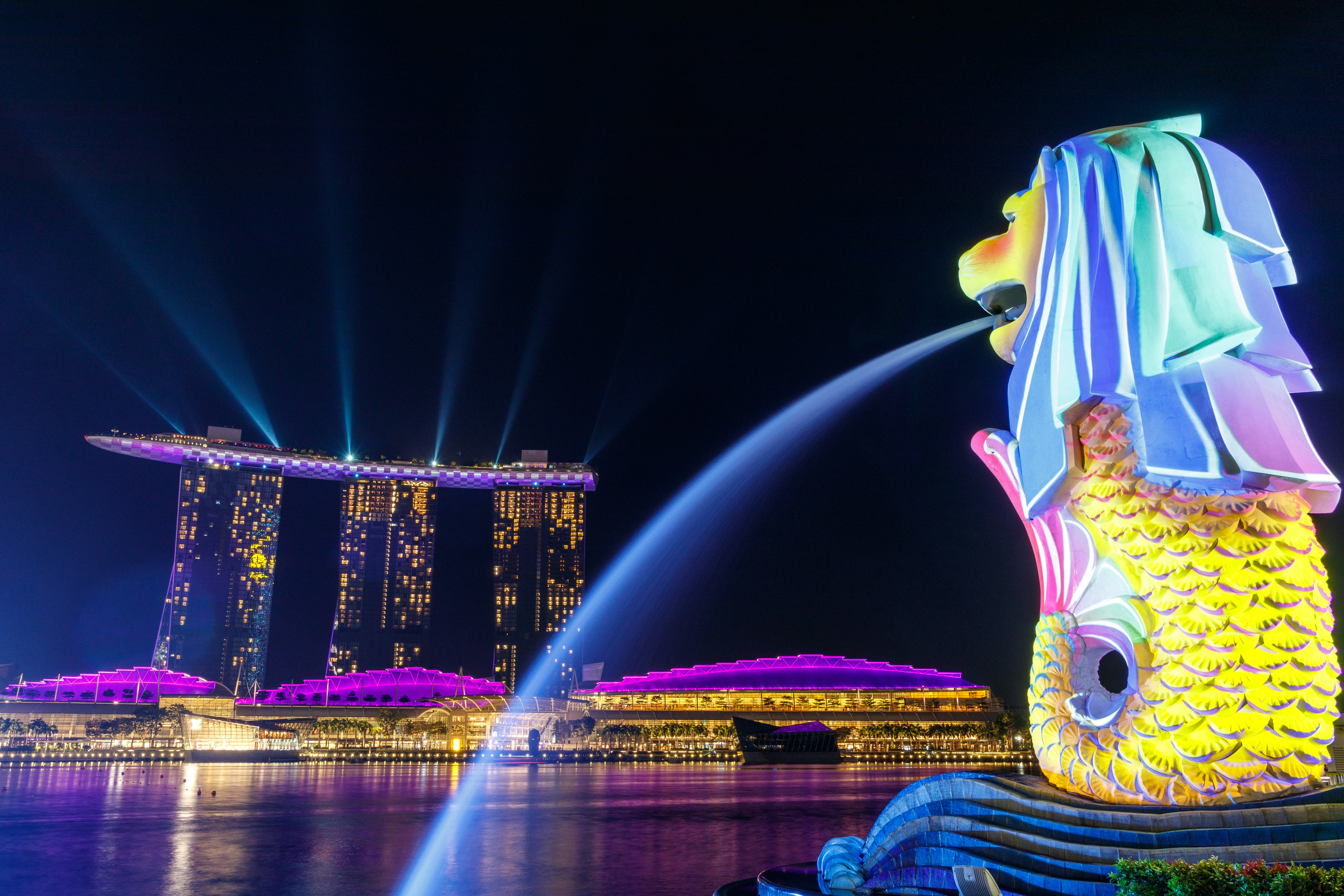
Water Legacy of Singapore Beyond Infrastructure, Trust and Tech
Imagine a nation with no natural lakes, almost no groundwater, and one of the densest populations on Earth-yet it is celebrated globally as a model for water security. That nation is Singapore. Once dependent on external supplies and vulnerable to scarcity, it now meets over two-thirds of its demand through recycled and desalinated water, while…
-

Hydropower Market Research Insights and SDG 6 Clean Water
Water and energy are two of the most pressing challenges of the 21st century, both central to the United Nations Sustainable Development Goals (SDGs). While hydropower is typically classified under SDG 7 (Affordable and Clean Energy), its contribution to SDG 6 (Clean Water and Sanitation) is equally significant. Hydropower is not only the world’s largest…
-

Can everyone get a 24*7 water supply?
Water is the foundation of life and a prerequisite for sustainable development. The United Nations’ Sustainable Development Goal 6 (SDG 6) commits to ensuring the availability and sustainable management of water and sanitation for all by 2030. Among its many dimensions, the idea of a continuous, safe, and universal 24×7 water supply is particularly ambitious.…