
July 2025
-
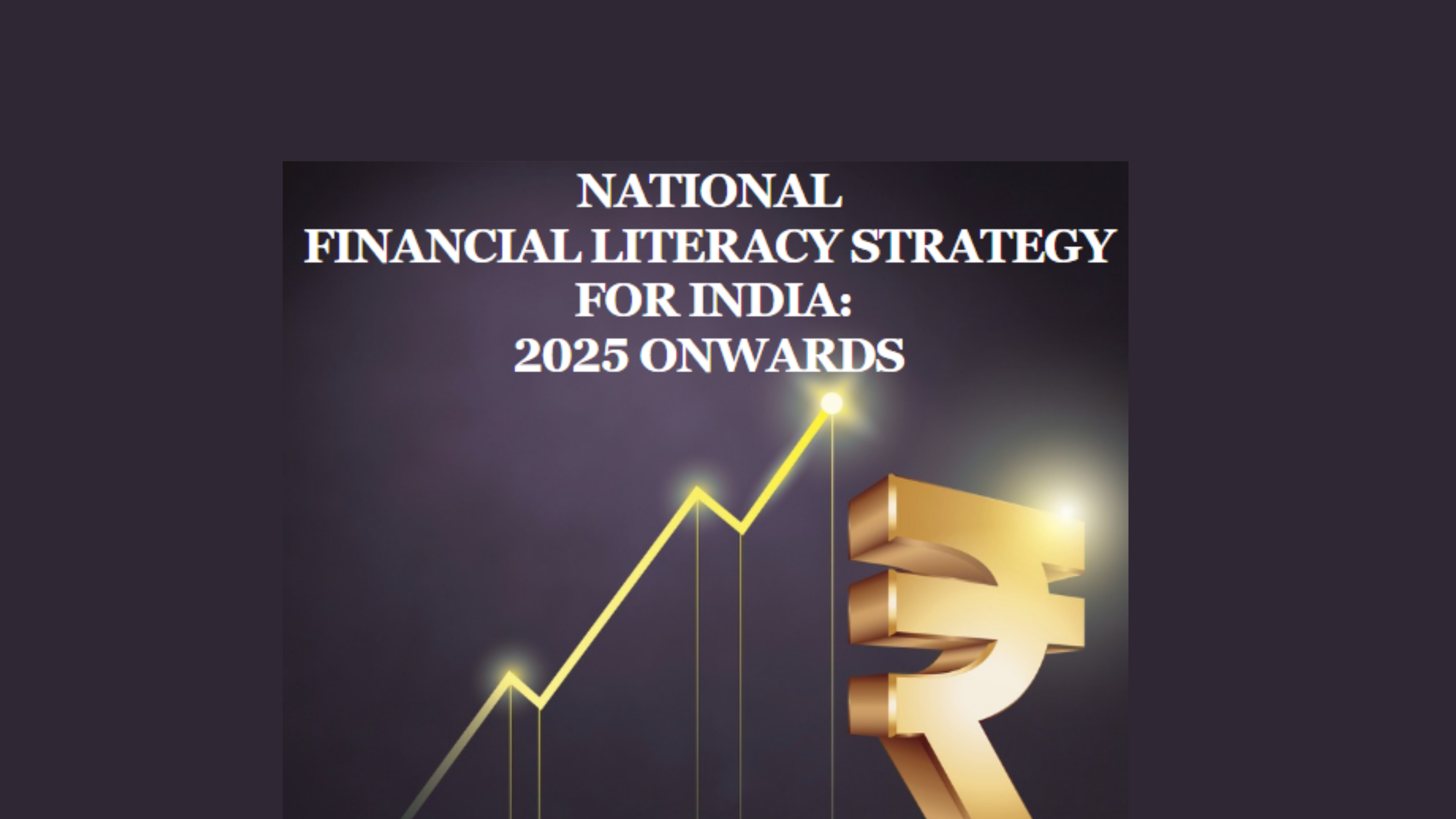
Reimagining Financial Literacy for a New India (Post-2025 Strategy)
From Access to Empowerment – A Data-Driven Roadmap for Everyday Financial Capability About the Report “Reimagining Financial Literacy for a New India (Post-2025 Strategy)” is a comprehensive national-level study that bridges data, policy, and practice to chart the future of financial literacy in India. Developed through rigorous analysis of multiple nationally representative datasets—including the NCFE…
-

Thailand’s lens of Sustainable Development for Public Health
The sustainable development goal number 3, has a vision where no one is left behind in health as a privilege. It requires a reduction of both maternal and child deaths, eliminating epidemics, and managing communicable and non-communicable diseases. The goal also focuses on mental health, road safety, reproductive services and prevention of substance abuse. Of…
-
Peep into Healthcare Policies of 7 Nations
As per Article 25 of the United Nations Declaration of Human Rights, the right to health is acknowledged as the right to an adequate standard of living. With great leaps in medical science and technology, one would assume this right is guaranteed universally. Alarmingly, however, only 431 million more people have gained access to essential…
-

Do you know how you can invest in Health & Build Wealth?
In the global landscape, few objectives are held as important as the right to health. In pursuit of the same, SDG 3 becomes essential in public discourse. The right to health is a global priority and central to Sustainable Development Goal 3 (SDG 3), which aims to ensure healthy lives and promote well-being for all.…
-
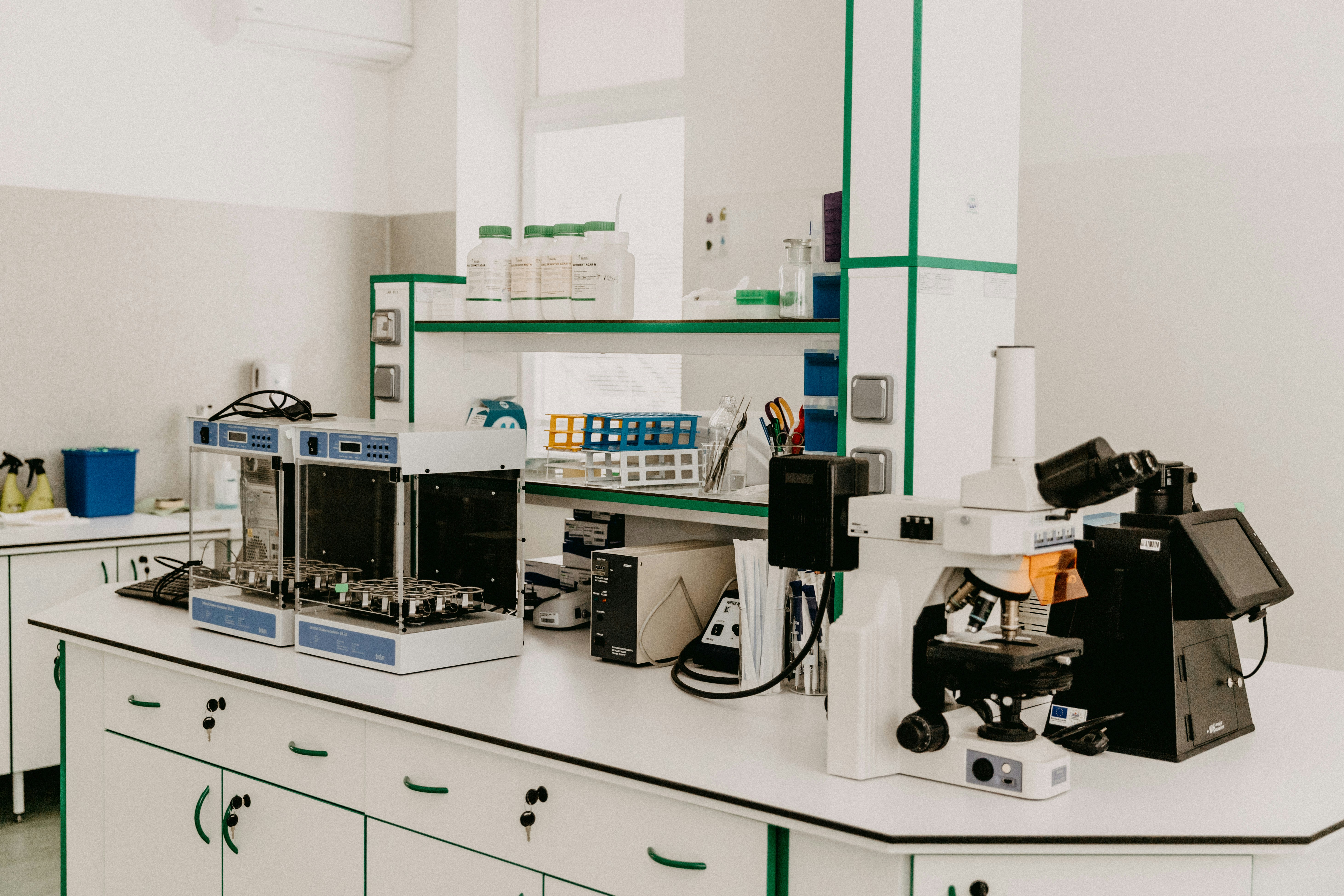
Can Public Health Research be aligned with SDG 3 of Healthy Lives & Well-being for All?
Public health research forms the backbone of evidence-based health policies, interventions, and systems worldwide. It aims to study and improve the conditions and factors that influence population health, ranging from infectious disease control to mental health promotion and health system strengthening. Unlike clinical research, which focuses on individuals, public health research addresses the broader social,…
-

Cultivating Resilience: Somalia’s Journey Towards Zero Hunger
The second Sustainable Development Goal is to end hunger and malnutrition in every form and to create sustainable food systems that will be able to help generations to come. The objective has a high priority to enhance the agricultural productivity and incomes of small-scale food producers especially to the women and pastoral communities and facilitate…
-
Government Iniatiatives for Zero Hunger, SDG 2
Hunger is not a figure; it is millions of children and families just trying to have even one good meal a day. With 2030 mere months away, the globe is at a turning point on hunger and food security. Though improvements are being made, the UN advises that almost 600 million people may still be…
-
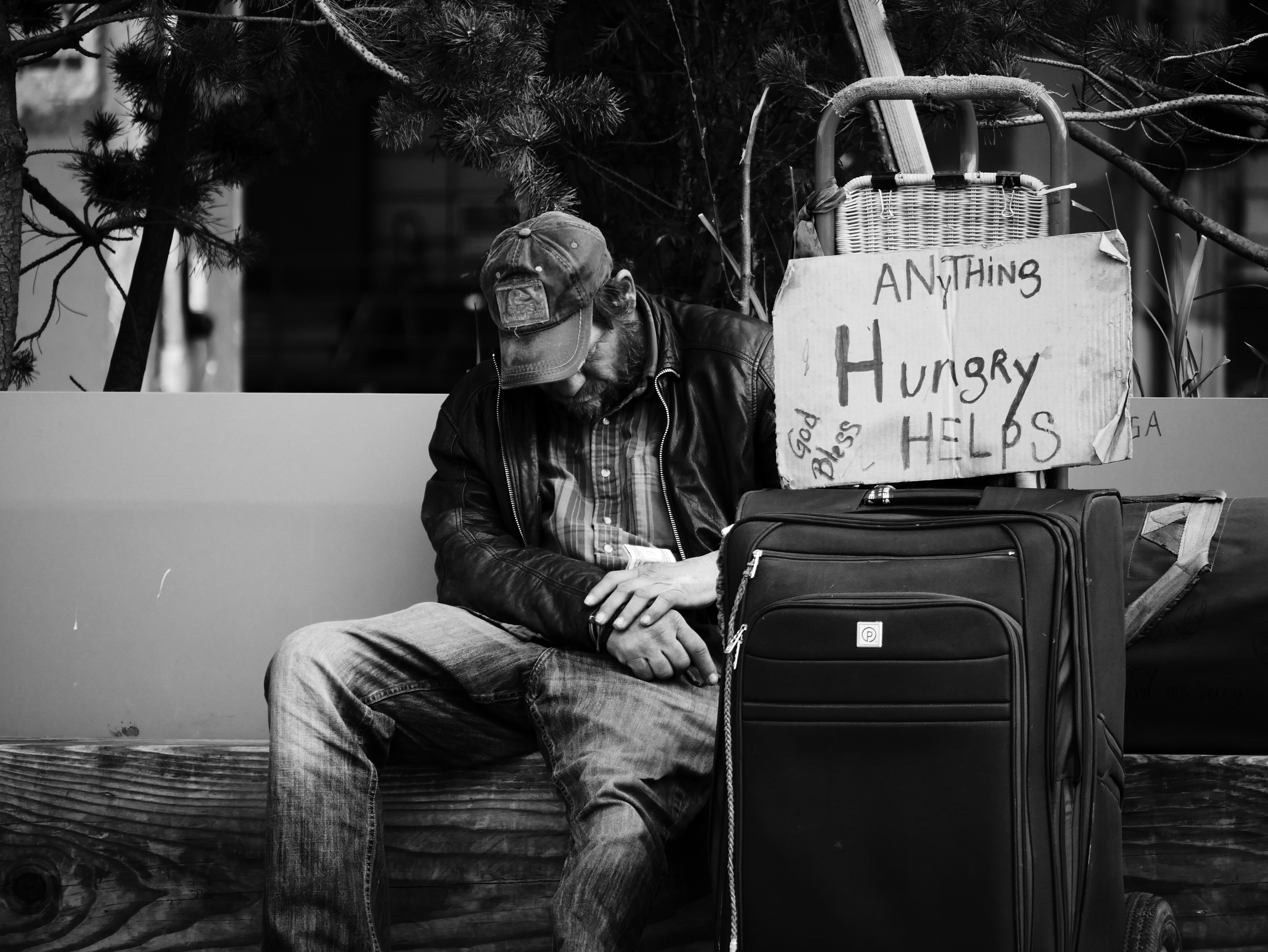
How FMCGs Across Regions Can Drive SDG 2 Zero Hunger?
Fast-Moving Consumer Goods (FMCG) companies occupy a pivotal space in the global food ecosystem. They influence what billions of people consume daily and shape agricultural supply chains that impact smallholders, land use, and nutrition. Given this scale and influence, FMCGs are uniquely positioned to contribute meaningfully to SDG 2—”Zero Hunger”—which calls for ending hunger, achieving…
-

Multidisciplinary Research Agenda for SDG 2 of Zero Hunger
Sustainable Development Goal 2 (SDG 2) aims to “end hunger, achieve food security and improved nutrition, and promote sustainable agriculture” by 2030. Despite some progress, global hunger and malnutrition remain persistent and multidimensional challenges. The COVID-19 pandemic, climate crises, geopolitical conflicts, and economic disruptions have intensified vulnerabilities in global food systems. Addressing SDG 2 requires…