
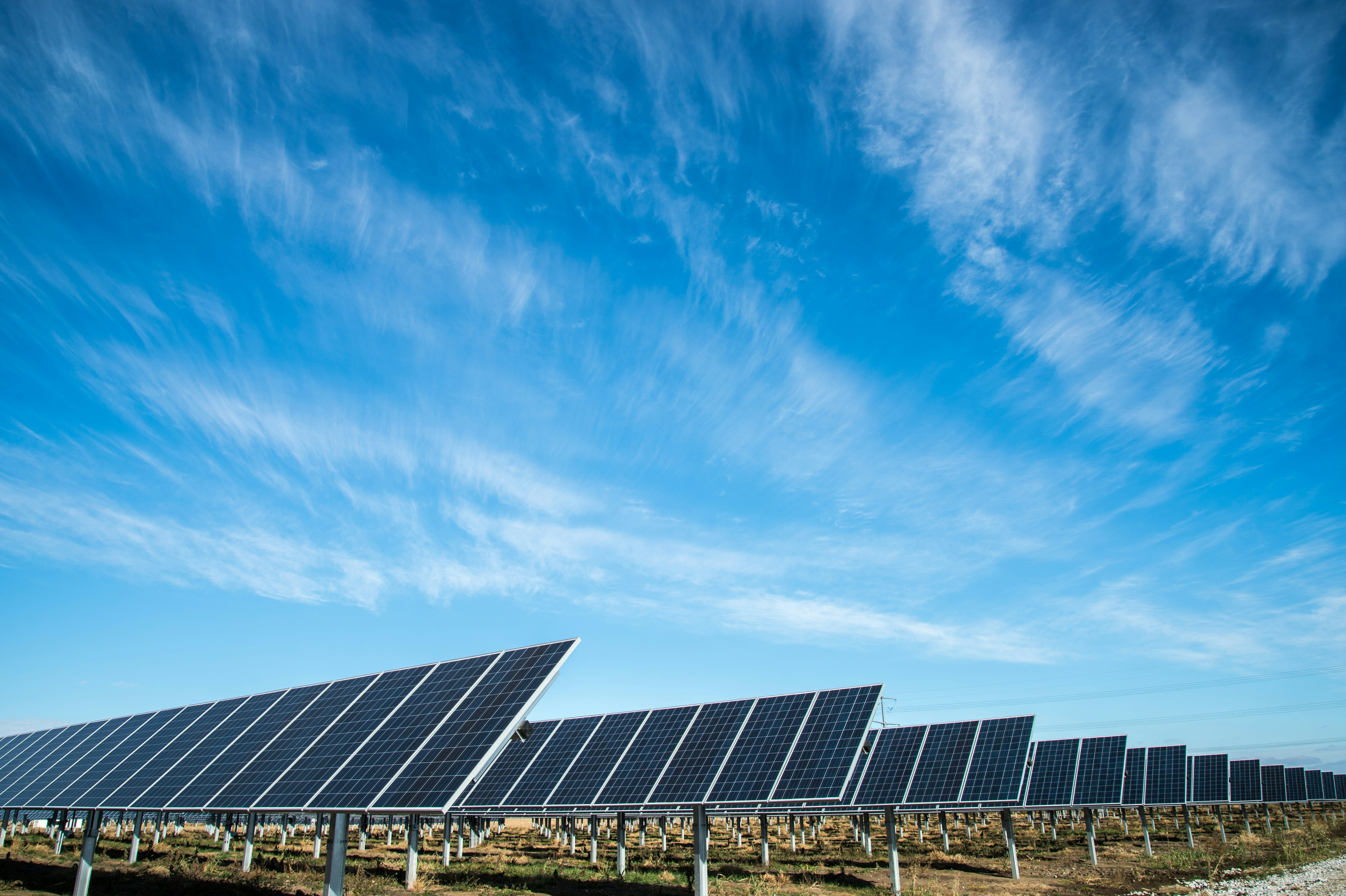
India has reached a significant milestone in its renewable energy journey, with the country’s total renewable energy capacity surpassing 200 GW. This progress is a testament to India’s commitment to achieving 500 GW from non-fossil sources by 2030, aligning with global sustainability goals and reinforcing energy security.
Energy security is not just a policy objective but a fundamental driver of economic growth and sustainability. The ability of states to meet their energy demands through reliable, affordable, and clean sources determines their long-term development trajectory.
To analyze the current status of energy security comprehensively, this article adopts a zonal approach, using the classification set by the Ministry of Home Affairs. India is divided into six zonal councils: Northern, Western, Central, Eastern, Southern, and Northeastern. This series of six articles will examine energy security within each zone, focusing on state-wise assessments under their respective zonal groupings.
This article delves into the Northern Zone, comprising Haryana, Himachal Pradesh, Jammu & Kashmir, Punjab, Rajasthan, the National Capital Territory (NCT) of Delhi, and the Union Territory of Chandigarh. By evaluating the energy landscape of these states, including their renewable energy potential and infrastructure, we aim to provide insights that can guide policymakers, businesses, and investors in making strategic energy decisions. The data is drawn from Lok Sabha answers and the Reserve Bank of India for the financial year 2023-24, ensuring that our analysis remains relevant and up to date.

Energy Demand and Supply Landscape
Power Requirement and Demand-Supply Gap
Energy demand in the Northern Zone varies significantly across states. Rajasthan, owing to its size and economic activities, has the highest power requirement, followed by Punjab and Haryana. Himachal Pradesh, with its smaller population and lower industrial demand, has the lowest power requirement in the region.
However, ensuring that demand is met is crucial for economic growth. Data indicates that Rajasthan, Punjab, Himachal Pradesh, and Delhi meet their energy demands fully. In contrast, Haryana and Jammu & Kashmir (J&K) face shortfalls. Haryana, in particular, had an unmet demand of 244 MW in 2023-24, indicating the need for investment in power generation and distribution infrastructure.
Per Capita Power Availability
Another critical metric for assessing energy security is per capita power availability. Haryana emerges as the leader in this regard, despite its demand-supply mismatch, highlighting the uneven distribution of energy resources. While overall demand and supply figures may appear balanced in certain states, ensuring equitable access to energy remains a challenge. States must invest in transmission and distribution networks to improve energy accessibility.
Installed Power Capacity and the Role of Renewables
Installed Power Capacity
Installed power capacity is a measure of a state’s self-reliance in energy generation. Rajasthan leads with the highest installed power capacity in the Northern Zone, followed by Punjab, Haryana, and Delhi. On the lower end, Jammu & Kashmir and Himachal Pradesh each have around 4,000 MW of installed capacity.
Renewable Energy in the Power Mix
Renewable energy is increasingly contributing to the overall installed capacity in these states. Rajasthan stands out with the highest installed renewable capacity, with nearly 80% coming from solar energy. The state’s climate and geography make it ideal for large-scale solar and wind projects. Himachal Pradesh is another standout case, with renewable energy—primarily hydropower—exceeding its non-renewable capacity. This highlights the state’s leadership in sustainable energy development.
However, other states in the Northern Zone have a long way to go in expanding their renewable energy share. Punjab, Haryana, and Delhi have renewable energy capacities that are significantly lower than their non-renewable counterparts. Policy support and investment incentives are necessary to accelerate the transition in these states.
Path Towards Sustainability: State-Specific Insights
Delhi: Leading in Rooftop Solar
Delhi, as the national capital, faces unique challenges in large-scale energy generation. However, rooftop solar installations offer a viable pathway toward sustainability. In 2023-24, Delhi’s rooftop solar capacity stood at 281.08 MW, making up the bulk of its total solar energy generation. Scaling up rooftop installations can further strengthen the city’s energy security.
Recommendations for the Government:
- Strengthen incentives for residential and commercial rooftop solar adoption, including subsidies and low-interest financing.
- Implement mandatory rooftop solar installation in new commercial and high-rise residential buildings.
- Develop battery storage and smart grid solutions to manage fluctuating solar power supply.
Private Sector Role:
- Investment in rooftop solar leasing models, making installations affordable for businesses and residents.
- Expansion of smart energy solutions, including energy-efficient appliances and AI-driven energy management systems.
Haryana: Need for Scaling Up Solar and Biomass
Despite having the highest per capita energy availability, Haryana lags in renewable energy adoption. The state’s geography limits opportunities for large hydro and wind projects, making solar and biomass energy the most viable alternatives. Off-grid solar projects, in particular, have significant potential and should be prioritized.
Recommendations for the Government:
- Promote decentralized solar energy projects, including microgrids for rural electrification.
- Expand biomass power projects using agricultural residue to address both energy needs and stubble burning issues.
- Provide capital incentives for industries shifting to solar and biomass-based power.
Private Sector Role:
- Investment in agribusiness-linked biomass power generation, creating a sustainable revenue model.
- Partnership with MSMEs and industrial clusters to develop solar-powered manufacturing units.
Himachal Pradesh: Hydropower Dominance
Himachal Pradesh is a renewable energy leader, with 29 hydroelectric plants (each with a capacity above 25 MW) as of 2024. However, diversification into solar and biomass remains slow. Expanding these sectors can enhance energy security and reduce dependency on hydropower.
Recommendations for the Government:
- Incentivize the development of small and medium-sized solar farms to complement hydropower.
- Expand pumped storage hydro projects to enhance grid stability.
- Promote waste-to-energy projects to improve sustainability in urban areas.
Private Sector Role:
- Investment in solar parks in lower altitude regions to diversify the energy mix.
- Development of small-scale hydro and solar hybrid projects for remote areas.
Jammu & Kashmir: Harnessing Small Hydro and Off-Grid Solar
Jammu & Kashmir has a renewable energy capacity close to 95% of its non-renewable installed capacity. While large hydro projects dominate, small hydro plants and rooftop/off-grid solar installations are gaining traction. These initiatives are critical for ensuring stable energy supply, especially in remote areas.
Recommendations for the Government:
- Facilitate investment in small hydro projects, ensuring energy access in difficult terrains.
- Improve grid infrastructure to integrate decentralized solar and hydro power sources.
- Introduce policy support for solar-powered cold storage to support agriculture and tourism.
Private Sector Role:
- Development of micro-hydro plants for rural electrification and industrial power supply.
- Investment in solar-powered heating solutions for residential and commercial spaces.
Punjab: Untapped Renewable Potential
Punjab’s energy mix presents an opportunity for expansion across multiple renewable sources. While wind energy is limited, solar, biomass, and hydro projects have significant room for growth. Targeted policies and investment incentives can help unlock this potential.
Recommendations for the Government:
- Scale up the installation of floating solar plants in reservoirs and canals.
- Expand waste-to-energy projects to manage urban waste efficiently.
- Support industries in transitioning from fossil fuels to biomass-based power.
Private Sector Role:
- Investment in waste-to-energy infrastructure, leveraging municipal partnerships.
- Collaboration with agribusinesses to develop bioenergy plants for cleaner fuel alternatives.
Rajasthan: A Renewable Energy Leader
Rajasthan is at the forefront of India’s renewable energy transition. By 2023-24, the state had installed 24,776.69 MW of solar capacity and 5,195.82 MW of wind energy. With India’s commitment to net-zero emissions by 2070 and the state’s strategic role in the International Solar Alliance, Rajasthan is poised for further growth in renewables.
Recommendations for the Government:
- Expand green hydrogen production using surplus renewable energy.
- Develop large-scale battery storage systems to enhance grid reliability.
- Promote research and development in next-generation solar technologies.
Private Sector Role:
- Investment in green hydrogen and energy storage technology projects.
- Expansion of large-scale solar and wind parks through public-private partnerships (PPPs).
Conclusion
State governments in the Northern Zone must adopt region-specific policies to maximize their renewable energy potential. Private businesses and investors can play a pivotal role by leveraging financial resources, technological innovation, and operational expertise to drive renewable energy expansion. By fostering a strong government-industry collaboration, the Northern Zone can lead India’s energy transition while ensuring sustainable economic growth.



Leave a Reply