
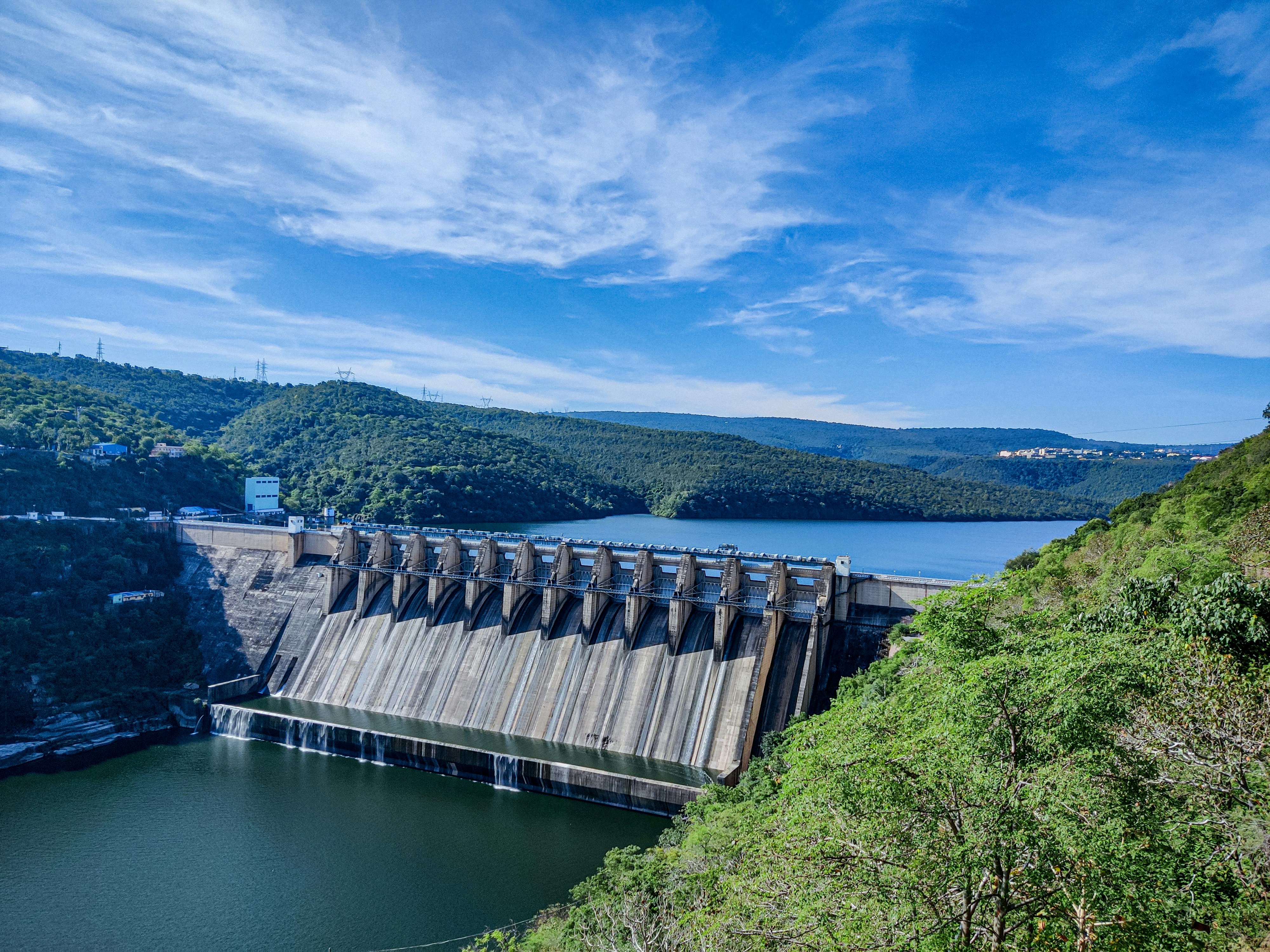
India is making advances in cleaner energy every day. From adaptation finance to investments in mitigation strategies, we are striving towards securing a better planet for all. Clean, renewable energy is important for this very goal. Energy and power requirements of the modern world are not miniscule by any measure. Sustainably tending to them is a need of the hour.
In this series of articles, we look at the current picture of energy infrastructure in various regions such as Northern, and Central councils of India and how to improve their positions using renewable energy.
In this article, we will look at the states in the Northeast region of India. In the Arunachal Pradesh, Assam, Manipur, Meghalaya, Mizoram, Nagaland, Tripura and Sikkim are the states. However, we have seen the position of Sikkim in the last article on Eastern India. Thus, in this article, we will focus on the first seven states, colloquially known as ‘the Seven Sisters’.

Demand-Supply Analysis
Power Requirements and Demand Matching
It is clear from the table above that the power requirements of the states in the North Eastern Zone are very low. Bar Assam, all states have power requirements of less than 250 crore units net. Hilly terrain, torrential rains and scattered population clusters lead to lack of industrialization in these states. That is the reason why power requirements are so low in these states. Assam being a more industrialized and affluent state amongst others, it requires more units of power.
However, on the flip side, these states exhibition next to no demand and supply mismatches in power infrastructure. In 2023-24, Manipur was the only state in the region with some of its power demand being unmet. Even then, the gap was very small of 10 Megawatt.
Per Capita Power Availability:
As stated before, the population in these states is scattered, and engaged more in primacy and tertiary sector, than manufacturing. The power requirements are low on the demand side. This picture is seen in the supply side too.
We can see that in all the states, power availability per capita is less than 1 Megawatt per hour. Surprisingly, Tripura and Arunachal Pradesh have higher power availability per person in the group.
Low demand and low supply of power in these states speak volumes about the levels of economic prosperity in the region. They also hamper growth prospects of these states.
Installed Power Capacity:
The state of installed power infrastructure goes hand in hand with the trends in power requirements. Assam, the centre of economic activity in the North East, has the largest installed power capacity in the group. However, massive gap is seen between the numbers of Assam and that of other states. Nagaland, standing last in the group, has as low installed capacity as 208 MW.
Apart from the geographical reasons, internal disturbances in the region also render it averse to infrastructure and investment.
Path Towards Sustainability: State-wise Approach
Arunachal Pradesh: Predominance of Hydro Energy
Arunachal Pradesh derives almost 99% of its installed power through large and small hydro projects.
Government Recommendations
- Maintenance of hydro projects
- Encouraging people to opt for rooftop solar panels.
Private Sector Role:
- Invest in off-grid solar installations.
- Invest in groung mounted solar installations.
Assam: Potential for Solar Upscaling
Although currently Assam relies more on hydro power, the state has good potential for increasing solar capacity.
Government Recommendations:
- Increase off-grid solar capacity in the state.
- Work on improving non-bagasse cogeneration capacity in the state.
Private Sector Role:
- Explore more avenues for expanding solar installations in the state.
- Work with government to help assemble rooftop solar panels to residents.
Manipur: Reliance on Hydro Energy
Manipur has a case of over reliance on large hydro projects.
Government Recommendations:
- Look for viable alternatives to large hydro projects, for diversification purpose.
- Increase PM Surya Ghar beneficiaries through awareness programmes.
Private Sector Role:
- Work with government to increase scope for PPP in building sustainable energy infrastructure in the state.
Meghalaya: Scope for Biomass Power
Currently the state has very small installed capacity in non-bagasse cogeneration. This has potential to be scaled up.
Government Recommendations:
- Work on increasing productivity and efficiency of non-bagasse cogeneration plants in the state.
- Maintenance of small and large hydro projects in the state.
Private Sector Role:
- Invest in biomass energy generation.
- Invest in grid and off-grid solar power.
Mizoram: Harnessing Solar and Hydro Power
Currently most of Mizoram’s installed power is in the form of Hydro electricity.
Government Recommendations:
- Invest in Hydro and Solar power infrastructure in the state.
- Look for improving capacity of small hydro projects in Mizoram.
Private Sector Role:
- Aid the government in improving energy infrastructure in the state.
- Increase awareness in people regarding facilities under PM-SURYA Ghar Yojana.
Nagaland: Focus on Hydro Energy
Being a hilly region, Nagaland receives good rainfall, which can be used for power generation.
Government Recommendations:
- Look for avenues to increase small and large hydro projects in the state.
- Proper maintenance of present hydro projects.
Private Sector Role:
- Invest in new technologies related to harvest hydro energy.
- Work on small-sized solar installations in the state.
Tripura: Overall Scaling of Energy Infrastructure
The overall renewable power generation in Tripura is as less as 37 Megawatt. Efforts need to be aimed at improving this capacity.
Government Recommendations:
- Work on establishment of small hydro projects.
- Improve coverage of rooftop solar installations.
Private Sector Role:
- Investing in newer technologies in hydro power.
- Investing in ground mounted solar installations in the state.
Conclusion:
Due to a variety of reasons, power infrastructure in the North Eastern states has been below par. While some challenges, such as rough terrain, unpredictable monsoon, etc. are unavaoidable, they can still be worked around to improve performance of these states. Primarily, the focus should be on harnessing maximum potential of hydro energy. However, even solar energy infrastructure in the states should also be explored simultaneously. Self-reliance of these states in terms of energy security will be important in their growth trajectory.
Authors


Make Tatvita one of your preferred sources
See more insights from Tatvita Analysts in your Google Search results.


Leave a Reply