
June 2026
-

State Cooperative Federalism Project: Industrial Specialisation and Inter-State Complementarity in India
Can every Indian state become an industrial leader without competing against one another? For decades, India’s industrial development has largely been driven by competition among states to attract investments, industries, and manufacturing projects. While this approach has accelerated economic growth, it has also resulted in duplication of industries, fragmented value chains, and missed opportunities for…
-

Lessons from the 2008’s Global Financial Crisis
The Global Financial Crisis (GFC) of 2008 was the most severe financial shock since the Great Depression. It emerged from the collapse of the U.S. subprime mortgage market, where excessive lending, high leverage, and complex financial instruments such as mortgage-backed securities (MBS) and collateralized debt obligations (CDOs) concealed underlying risks. The bankruptcy of Lehman Brothers…
-

The Free Shipping Trap: Why We Spend More to Save Less
Have you ever added one more item to your online cart just to qualify for free shipping? Maybe you only planned to buy a shirt, a book, or a household item, but the website told you that you were just ₹150 away from free delivery. Instead of paying a ₹50 shipping fee, you added something…
-
Why Official Data Stops Seeing Realityin Conflict Economies?
BSE Sensex in India has increased by 37% during Kargil War. GDP growth remains unchanged at 8.85%. On paper, 1999 was a good year for the Indian economy. In the Kargil district, thousands of families were displaced. Local trade collapsed. The pastoral nomads of Ladakh, who rely on the movement of livestock across the LOC,…
-
How did Indian Mutual Funds React to Geopolitical Shock?
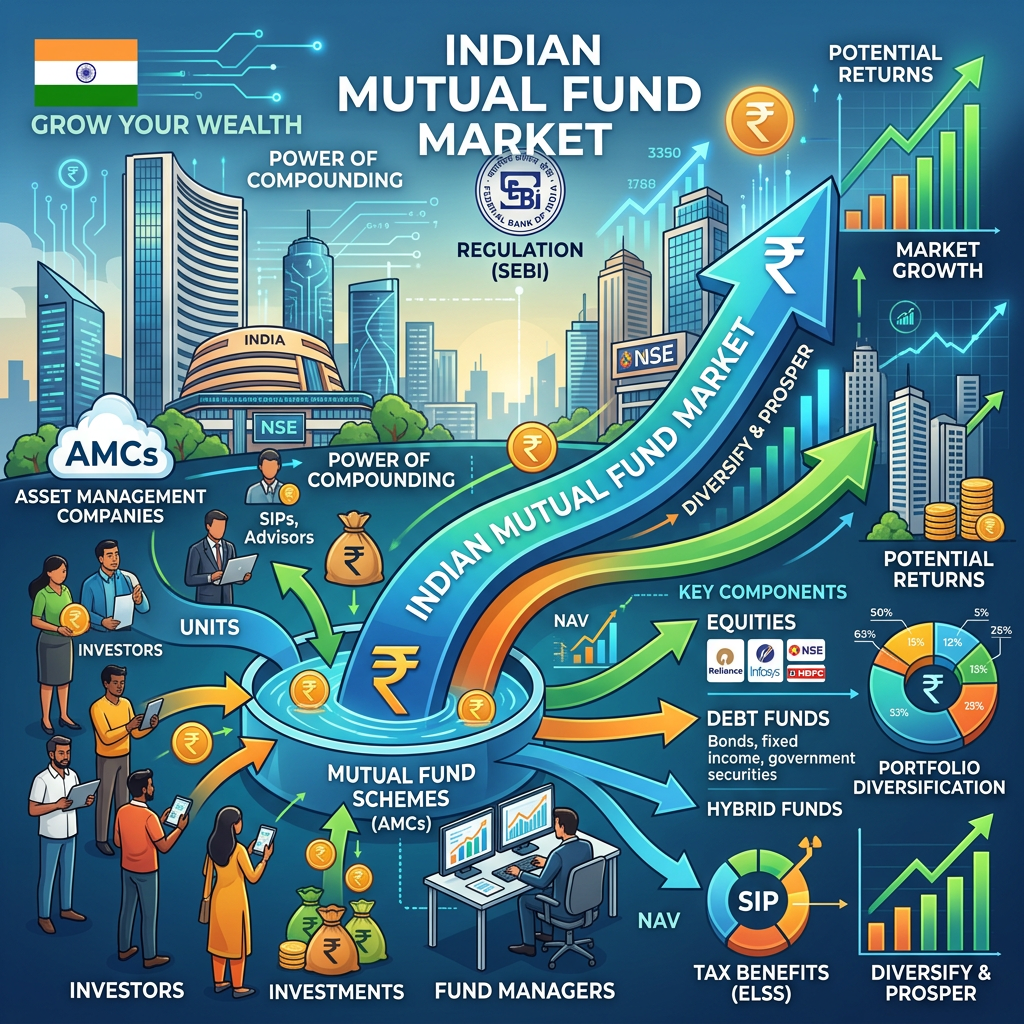
On February 27, 2026, Brent crude oil closed at $72.48 a barrel. One month later, it was trading above $112, a gain of over 55% in a single month, the largest such increase since the Brent contract was introduced in 1988 Wright Research. Between those two dates, the United States and Israel launched coordinated strikes…
-

Beyond Winners and Losers: What Conflict Reveals About Capital Markets
Between February and December 2022, as Europe witnessed its largest military conflict since the Second World War, Lockheed Martin added billions of dollars to its market capitalisation, ExxonMobil reported the highest annual profit in its history, and German defence manufacturer Rheinmetall watched its order backlog more than double. The tendency is to read these outcomes…
-

Rubble Economics: How War Dismantles the Construction and Real Estate Sector
A building cannot evacuate. A pharmaceutical company can shift production to a safer country. A financial firm can move its servers. A hospital can triage in a corridor. But a residential block in Mariupol, a commercial district in Aleppo, or a factory in Gaza has nowhere to go when the shelling starts. The capital loss…
-
The Antimony Trap in Renewable Energy
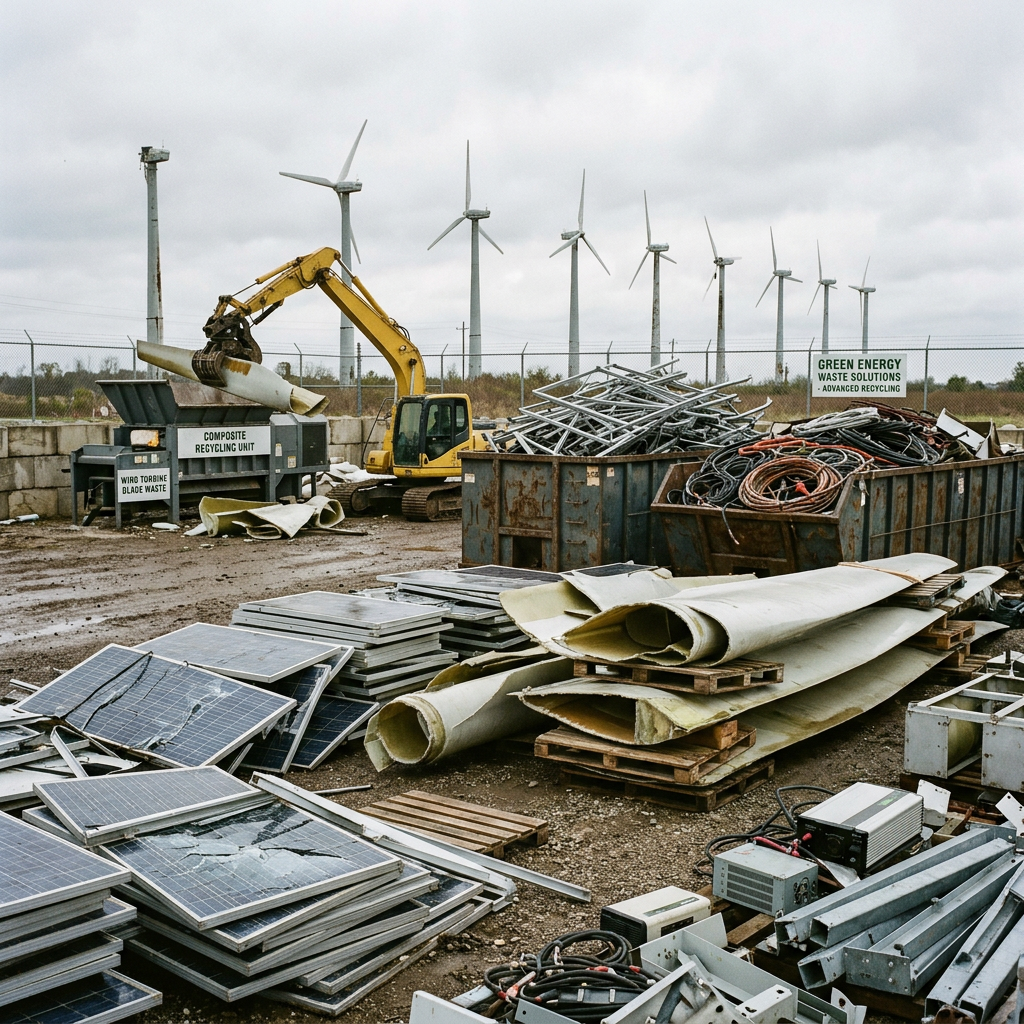
The architecture of the decarbonised grid is built upon a fundamental deception. Western governments market the renewable transition as the ultimate escape from the petroleum cartels that engineered twentieth-century geopolitics. The math proves otherwise. Shifting a planetary energy system from fuel-intensive combustion to material-intensive infrastructure does not sever dependency. It merely relocates the extraction nodes…
-
The War That Accelerated Finland’s Energy Transition
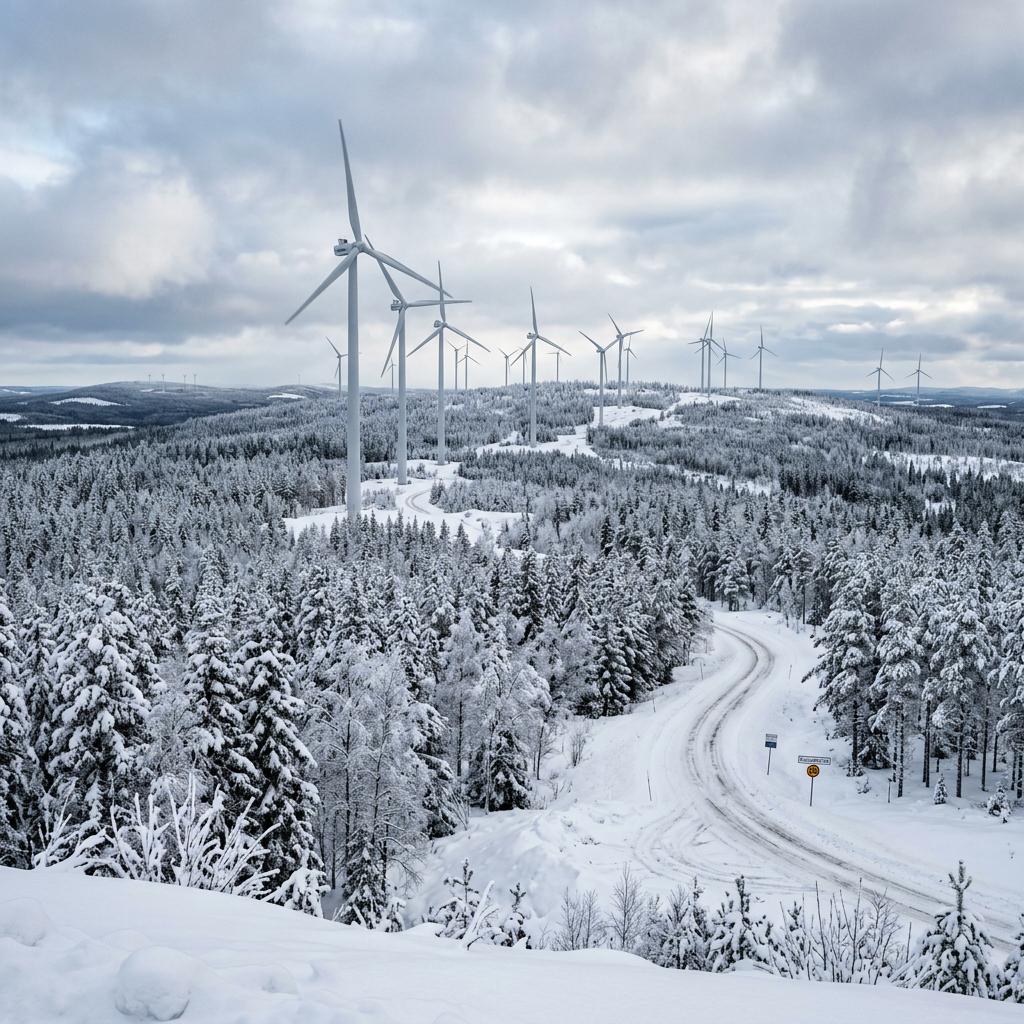
The Russia–Ukraine War has been a paradigm shift in the global energy market for a country that had to rethink its long-held beliefs about energy security and geopolitical risk. The impact of the conflict has been felt throughout Europe, but Finland is one of the most interesting cases of how a great geopolitical issue was…
-
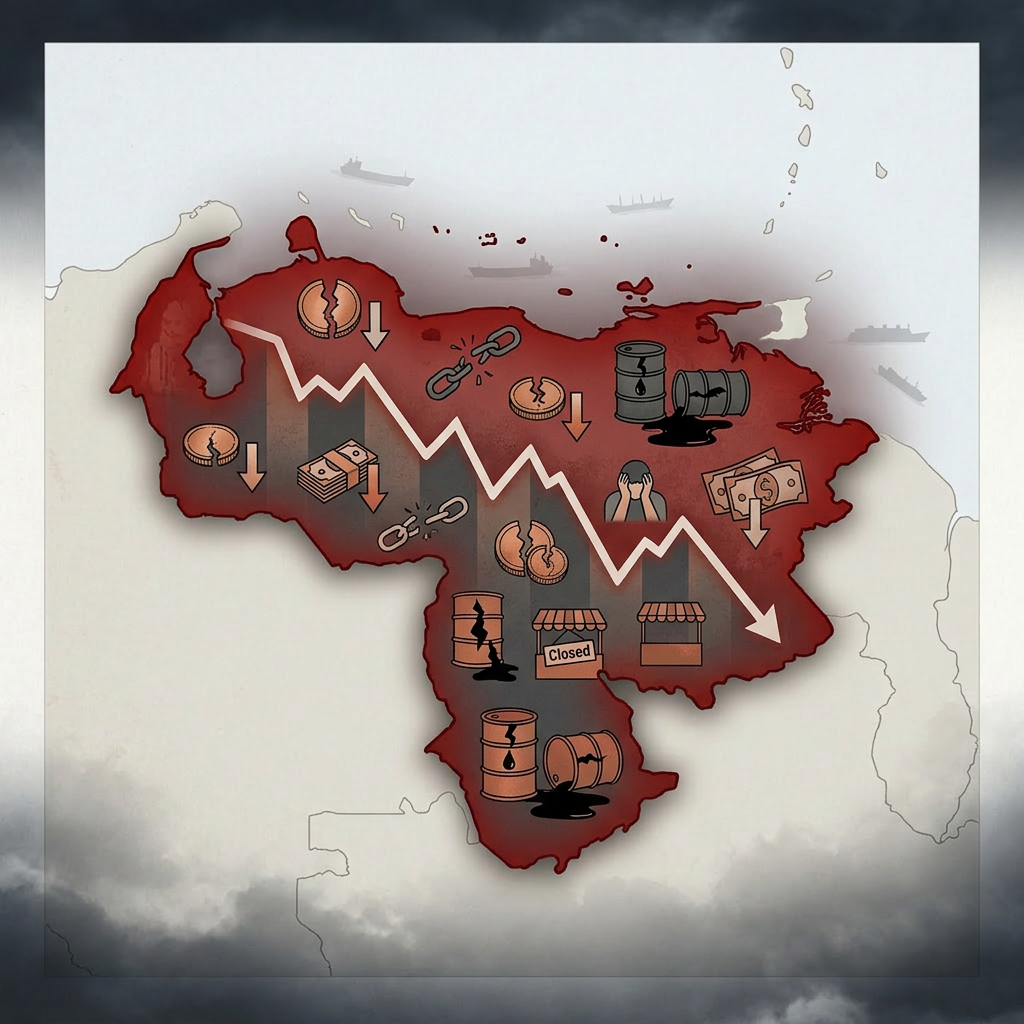
Impact Of Global Financial Crisis On Venezuela
A Global Financial Crisis (GFC) is a severe disruption of financial markets characterized by collapsing asset prices, banking failures, liquidity shortages, and economic slowdown across countries. The 2008 crisis, triggered by the U.S. subprime mortgage collapse, remains the most notable example. In recent years, global instability has evolved into a broader “polycrisis” marked by post-pandemic…