
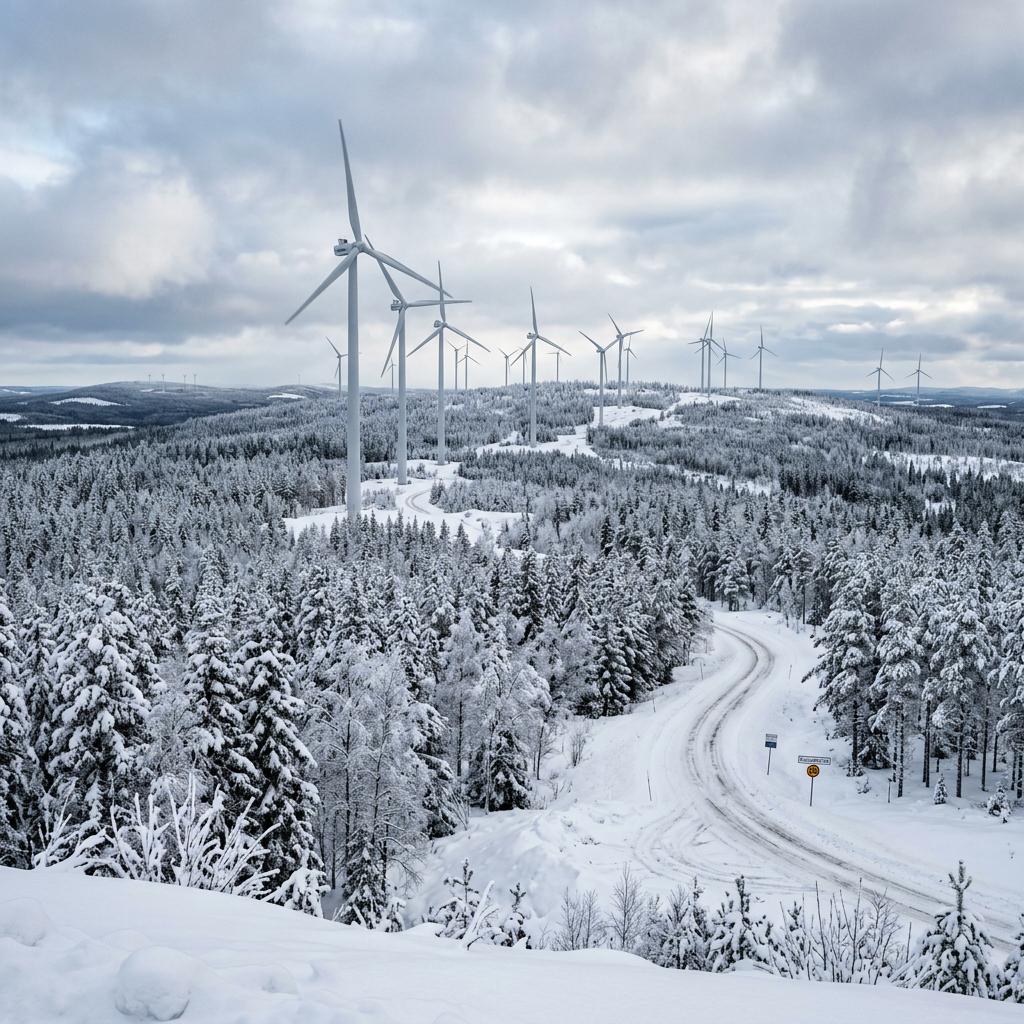
The Russia–Ukraine War has been a paradigm shift in the global energy market for a country that had to rethink its long-held beliefs about energy security and geopolitical risk. The impact of the conflict has been felt throughout Europe, but Finland is one of the most interesting cases of how a great geopolitical issue was turned into a strategic renewal opportunity.
Finland has had a high dependence on Russian energy imports. Geographically, its border of 1,340 km with Russia made its partnership with them economically convenient and politically feasible. In 2021, approximately 94% of Finland’s natural gas imports originated from Russia.
Russia also supplied around 60% of Finland’s crude oil imports and was an important source of imported electricity. This high level of dependence made Finland particularly vulnerable when geopolitical tensions escalated following the invasion of Ukraine. The war brought into sharp focus the dangers of reliance on geopolitical competitor energy imports, and prompted Finland to push for energy diversification.
Instead of just switching sources from Russian energy to imports from other nations, Finland has taken a more comprehensive approach towards energy independence, increasing renewable energy and energy resilience. In 2024, wind power became an important source of electricity generation, which represented Finland’s transition from being energy-vulnerable to an energy-secure country.
Finland’s Energy Relationship with Russia Before the War
In 2021, Finland was still highly dependent on Russian energy supplies. Russia had been a big part of Finland’s energy supply before 2022. Natural gas, crude oil, electricity imports and other energy related commodities crossed the Finnish – Russian border. The imports were reasonably cheap and dependable.
It was a primarily economic partnership. The use of Russian energy contributed to the improvement of the level of industrial production, transportation and household consumption. For most of these years the arrangement was considered to be beneficial for both sides and fairly stable.
The use of a single external supplier was also potentially risky, however. The Ukraine War has shown that energy relations are inextricably tied to geopolitics. As geopolitical tensions escalated, Finland recognized the severe national security risk of relying on Russian energy .The war thus led to a change in the thinking of the Finnish policy makers about the security of energy supply in a fundamental way. There was a shift in emphasis from low cost to energy policy becoming a part of national security, resilience and sustainability.
The Immediate Impact of the Ukraine War
In February 2022 Europe’s energy markets were uncertain due to the outbreak of war. Governments and businesses responded to supply disruption and geopolitical instability causing a significant increase in prices for natural gas, electricity and fuel.
The crisis was especially acute for Finland, due to its border with Russia and its traditional energy dependency on Russia. It was emphasized that dependence on external energy sources needs to be minimized because of the potential for energy supply interruption.
Meanwhile, the war increased security concerns in Finland. As a result, Finnish leaders reviewed the country’s defence and foreign policy approach. These concerns were one of the reasons that led Finland to join NATO in 2023.
This bigger national security debate now included energy security. Domestic renewable energy generation was not just seen as an environmental goal but as a key resilience tool, as policymakers increasingly recognized its benefits for the country.
Finland’s Shift Toward Energy Independence
After the invasion, Finland has taken swift steps to lessen its dependence on Russian energy imports. Other sources of energy were found, energy infrastructure was improved, and investments in energy production were increased domestically.
The government’s strategy was focused on the following three goals:
1. Decrease reliance on Russian energy.
2. Development of domestic production of Renewable Energy.
3. Enhancement of energy security in the long-term.
Unlike many countries that turned to emergency fossil fuel imports, Finland chose to invest more in renewable energy. This strategy strengthened its energy security and helped it stay on track with its climate commitments.
The Rise of Wind Power
The growth of wind power in Finland has not only been achieved by installing new wind turbines, but also by making efficient use of already installed wind power capacity. Large-scale wind energy development is ideal due to favourable wind conditions, availability of land, modern grid infrastructure, and a stable regulatory framework within the country.
The graph below illustrates that the total wind power capacity in Finland continued to grow during the year, as more investments in wind power were made and the sector is growing quickly. Meanwhile, weather conditions caused the weekly capacity factors of wind turbines to differ significantly, as they produce electricity in proportion to the available wind power. The capacity factors for some weeks were over 50%, while others were under 20%, underscoring wind power’s volatility.
However, the overall electricity generation was maintained in good shape due to the steady increase in installed capacity despite these ups and downs in output. Estimates show that wind power met around 24% of Finland’s electricity demand in 2024 and electricity generation from wind rose by 37% compared to 2023. The graph shows that it has not been the aim of the Finnish policy to reduce the wind power variability, but rather to compensate for it with massive scale-up.

Rapid growth of wind power has contributed to the reduction of Finland’s energy dependency and to fulfilment of the national climate targets. It has also enhanced the country’s resilience against the disruptions in external supplies.
Economic Benefits of the Wind Energy Transition
Wind power expansion has brought a lot of benefits to the economy of Finland.
When domestic electricity production is increased, as in the case of using wind, water, and solar power, imported energy is needed less. This will enhance energy security and contribute to the long-term price stability of electricity.
Secondly, renewable energy projects provide jobs. There are numerous roles in wind farms, including engineers, technicians, construction workers, maintenance workers and services from the supply chain. Consequently, investment in renewable energy will help develop the economy of the region.
Thirdly, more energy self-reliance means more economic resilience. Nations whose economies are heavily dependent on foreign sources of fossil fuels are typically vulnerable to price fluctuations and geopolitical events. Finland’s ability to produce more electricity locally means that these vulnerabilities are lowered.
Last, but not least, investments in renewable energy power in private capital and technological innovations. The Finnish market for renewable energy investments has become one of the investor’s favorites due to the growing focus on sustainable infrastructure investments.
What Enabled Finland’s Rapid Wind Power Expansion?
Finland’s wind power development is truly massive. As of 2012, there was only 199 MW of wind generation available and it accounted for 0.5% of electricity consumption. As of the end of 2025, the total wind power capacity was 9,433 MW, accounting for approximately 28% of electricity production in Finland. In a mere 13 years, this is Finland’s energy potential increased by almost 47-fold from just wind power, one of the fastest growth rates in Europe.
- Private Capital Drove the Expansion.
The wind industry in Finland was blessed with a lot of private investment, while in other countries, government subsidies were crucial for the industry. Confidence in long-term electricity demand led to stable regulations and institutional investors to fund new projects. In 2025 there were over 2,000 wind turbines in operation in Finland. - The Ukraine War Accelerated Momentum.
The Russian invasion of Ukraine made energy security a national priority. Finland took swift measures to lessen its reliance on energy imports from Russia and to increase its generation of electricity. New wind power projects could be put in place quicker than many of the other large-scale energy investments and therefore wind power became viable. This led to an increase in political and public support for developing renewable energy. - There has also been investment outside of the energy sector as there is a lot of renewable electricity available. Finland’s increasing availability of low-carbon electricity has made it an increasingly appealing place for technology companies and data centres.
Challenges
While the transition to renewable energy has been successful, it faces some obstacles in Finland. The intermittent generation nature of wind energy is one of the challenges. Energy generation is weather dependent and energy storage and grid management are ever more critical.
The other challenge is the investment in infrastructure. Increasing the share of renewables will need ongoing upgrades to grid connections, storage and transmission solutions.
Environmental issues need to be dealt with as well. Wind power has numerous benefits over fossil fuels, but the development of wind farms may lead to concerns over land use, biodiversity, and local community impacts.
Key Challenges in Finland’s Energy Transition

Lessons for Other Countries
The Finnish case offers a number of valuable lessons for those countries aiming to enhance their energy security.
1. Energy Security Should Be Treated as a Strategic Priority
This increased dependence on energy has been shown in the Ukraine War to be vulnerable during geopolitical crises. Energy security should be integrated into government’s national security agenda.
2. Renewable Energy Can Enhance Resilience
Investment in renewable energy can bring several benefits, including a decrease in emissions as well as an increase in energy production at home and a decrease in reliance on foreign suppliers.
3. Diversification Is Essential
No country should be too dependent on one supplier of energy. Diversification helps for flexibility and lessens geopolitical risks.
4. Long-Term Planning Matters
An ongoing policy framework and investment in infrastructure, combined with institutional stability, were key to Finland’s success. Energy transition isn’t a matter of instant responses – it’s a long-term commitment.
5. Sustainability and Security Can Reinforce Each Other
In the Finnish case, the climate targets and energy security goals do not have to be in conflict. They can often work together, in many cases reinforcing each other.
Conclusion
The next step in transition, however, will demand more than just growth in renewable energy; it will call for the most cost-effective and strategic use of transitioning to clean energy.
It will be crucial to keep investing in grid infrastructure. With rapid growth in wind energy capacity, the transmission grid needs to grow as well to provide efficient delivery of wind power, and for the expansion of industrial load in the country. Energy storage and system flexibility are also important factors that should be taken into account.
Technologies and systems like battery storage, smart grids, and demand-response systems will be key to ensuring reliability and minimizing price volatility as wind power becomes an increasingly significant component of the mix.
Finland also has great potential to benefit the economy by utilizing its competitive position in renewable energy. The availability of cheap, low carbon electricity will support investment in sectors that demand low carbon electricity, like green hydrogen, battery production, sustainable data centres and other energy-intensive industries, and in turn boost the nation’s long-term competitiveness. Meanwhile, policymakers will have to strike a balance between the expansion of renewable energy and environmental and community concerns. As wind power continues to roll out among various areas of the country, preserving public backing of new projects will be crucial. Another opportunity provided is regional cooperation.
Greater integration of the Nordic electricity markets and cross-border energy infrastructure will further enhance resilience and better prepare for future energy disruptions.
The case of Finland illustrates that renewable energy can be more than just a climate policy tool. It stands as a cornerstone of energy security, economic resilience, and strategic independence. The task is how to make the nations rapidly increasing renewable energy generation bring sustained economic and industrial benefits.
Author

Make Tatvita one of your preferred sources
See more insights from Tatvita Analysts in your Google Search results.

Leave a Reply