
May 2026
-
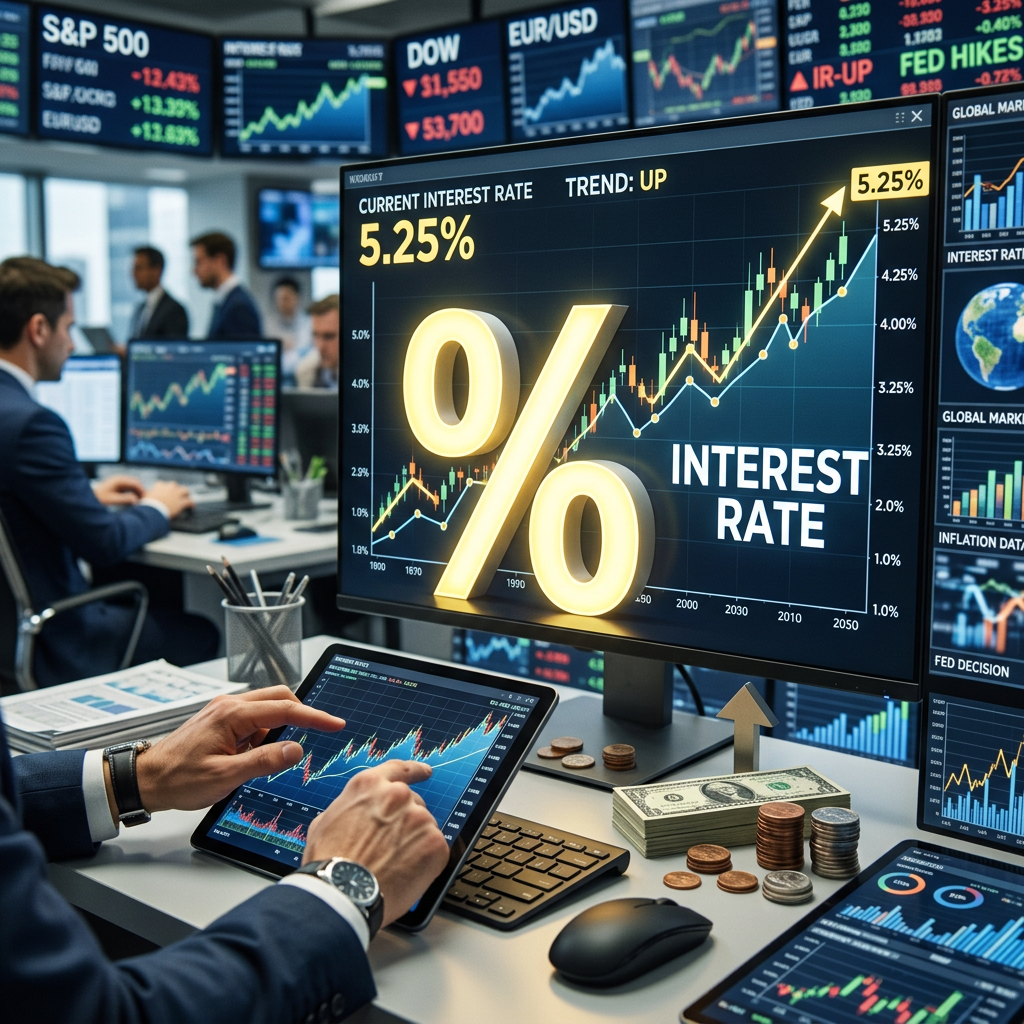
Price of Money in Economy: Interest Rates Explained
Everyday financial life revolves around one invisible number: the interest rate. When people: take a home loan, earn returns on fixed deposits, invest in bonds, buy stocks, calculate EMIs, or compare savings returns, they are indirectly responding to interest rates. Yet despite affecting almost every financial decision in modern life, interest rates remain one of…
-
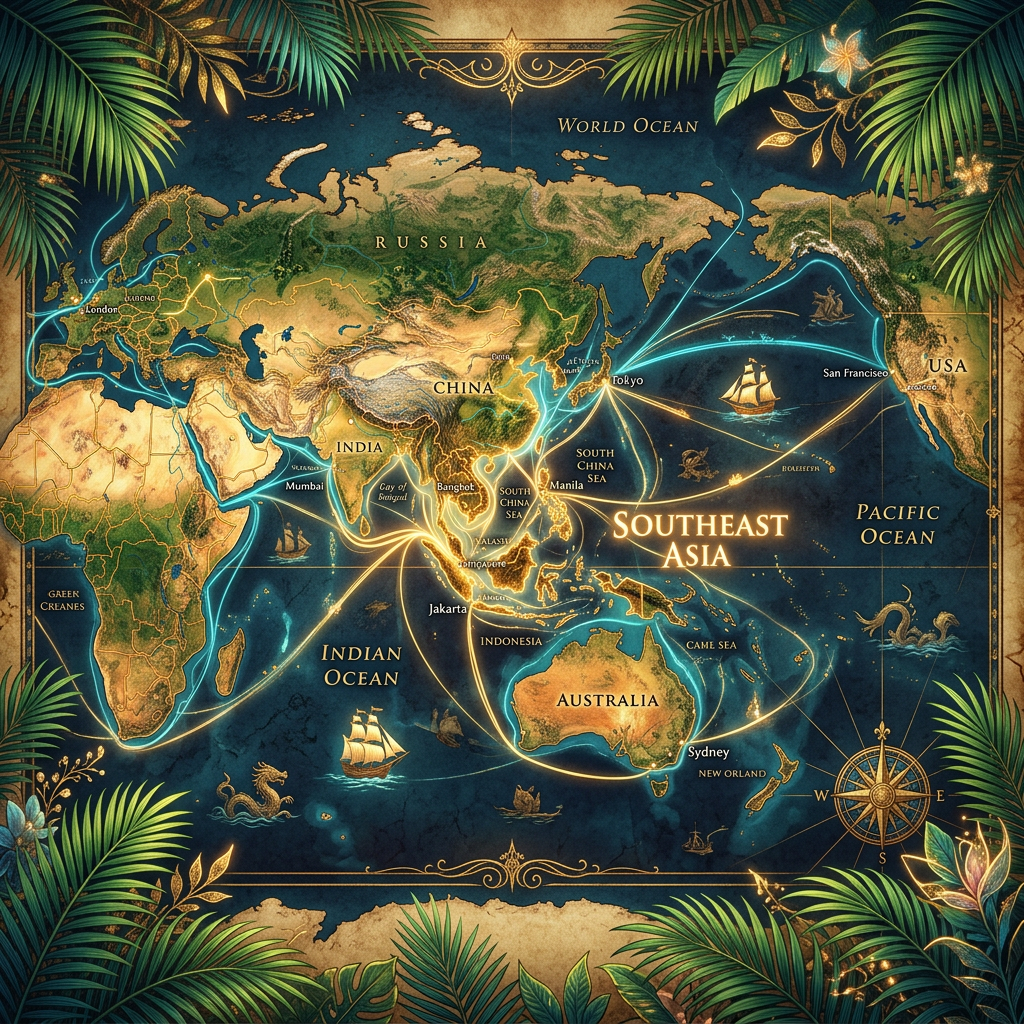
Indonesia’s Palm Oil Under El Niño Pressure?
For most countries, El Niño is treated as a climate event. For Indonesia, it is an economic event with global consequences. Indonesia is not merely another agricultural exporter. It is the world’s largest producer and exporter of palm oil, supplying a commodity deeply embedded in: Palm oil is present in nearly half of packaged consumer…
-
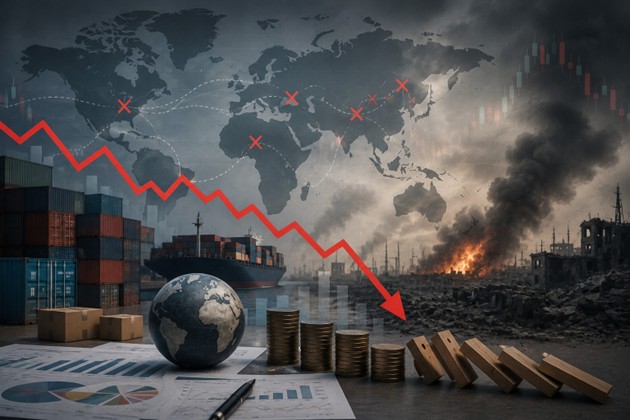
The Ripple Effect: How wars shatter Global Markets
War has always been more than just a military event; it is also a trade shock. During World War I, global trade is estimated to have fallen by about 25%. At the same time, World War II drove a far deeper collapse as many economies shifted towards war production and international commerce was severely fragmented.…
-

Precision Agriculture: Expanding Business Opportunity After Wars
Wars have historically transformed agriculture. From the World War II to the Russia-Ukraine War, conflicts have repeatedly disrupted food production, fertiliser supply chains, labour availability, fuel prices and global grain markets. However, modern wars affect agriculture differently from earlier centuries because farming today depends heavily on: energy, logistics, data systems, machinery, global commodity trade, and…
-
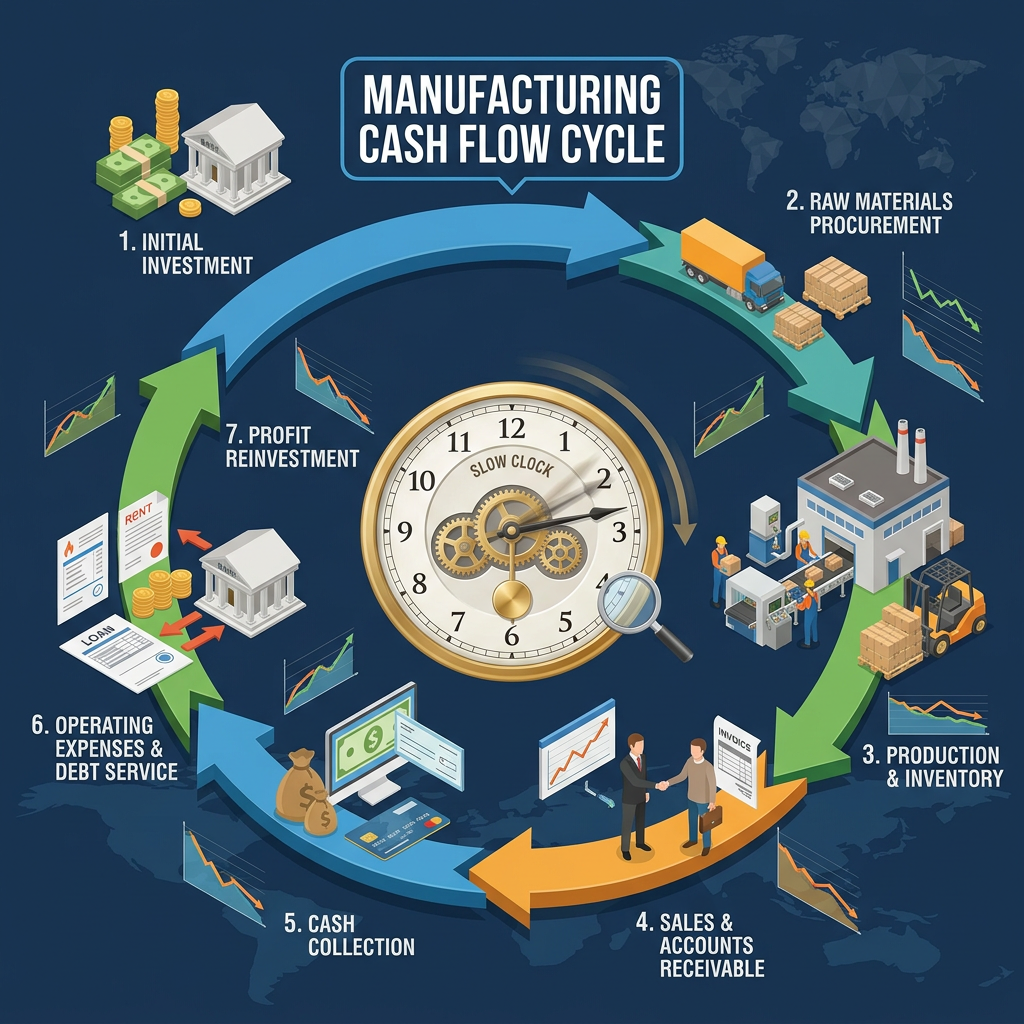
Cash Flow is Crown of Business: Why MSMEs Fail Without it & Survive with it?
Across the world, Micro, Small and Medium Enterprises (MSMEs) form the backbone of economic activity. In India alone, MSMEs contribute nearly 30% of GDP, around 45% of exports, and support employment for millions across manufacturing, services, logistics, retail and digital sectors. Yet despite their importance, the single largest reason MSMEs fail is rarely poor products…
-
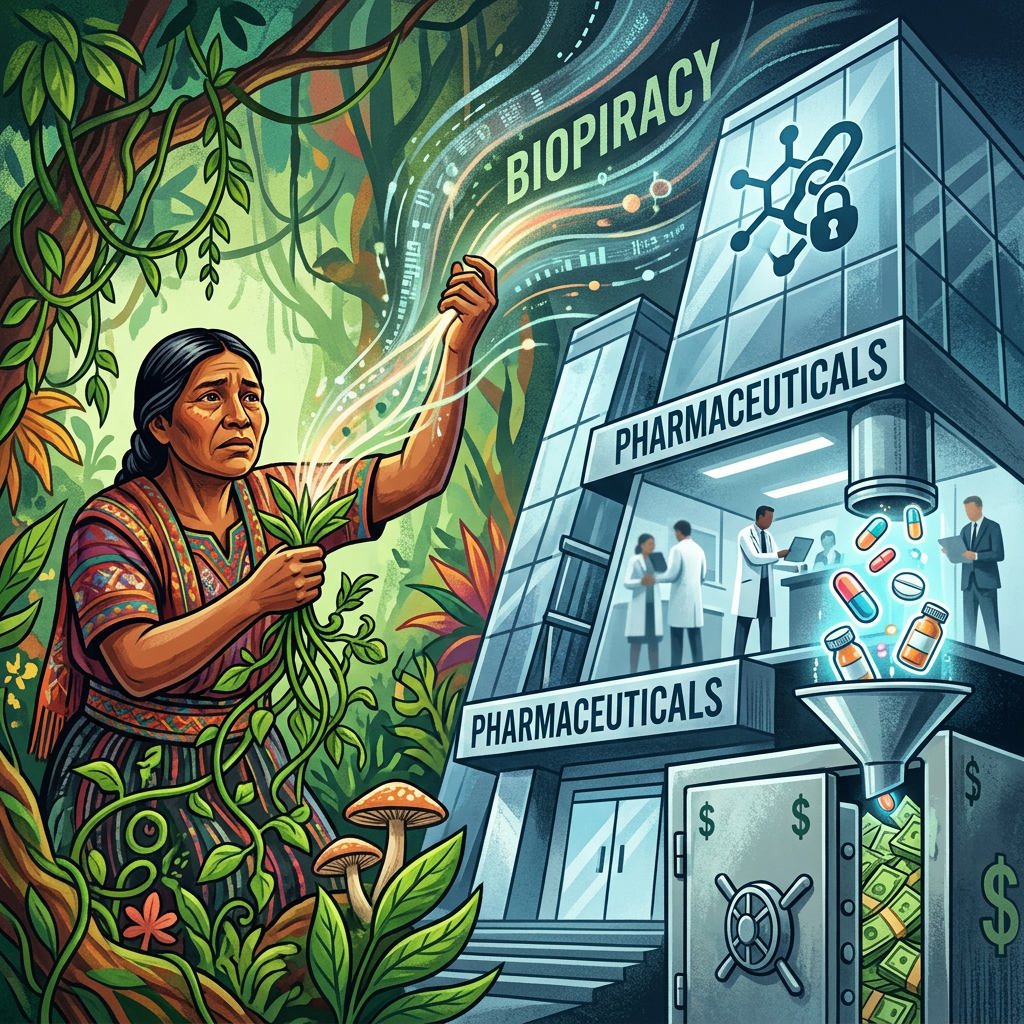
Biopiracy 2.0: Synthetic Biology, Pharmaceuticals, and the Geopolitics of Life
The use of piracy as a word for copyright infringement or unauthorised copying of resources (which will end up in profit) started in the 17th century. Over two centuries later, the founder of the ETC Group coined the word “biopiracy” to describe the corporate theft of physical biological resources and traditional knowledge from the Global…
-
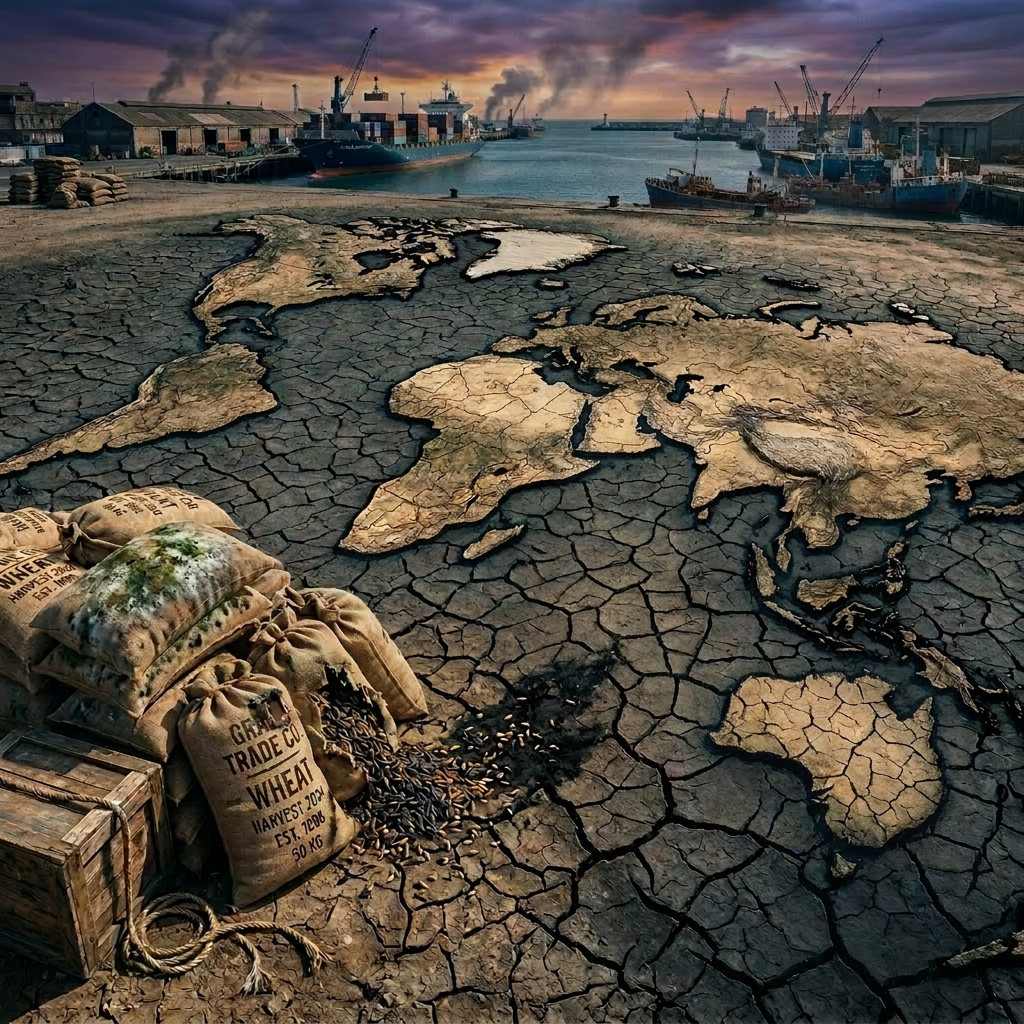
How Every Major War Ends Up on Your Food Plate
Wars are not fought only with weapons, but also with grains. They are fought by cutting off the fertilizer a farmer needs, by blocking the port through which food travels, by pulling the farmland from him and handing him a rifle. The battlefield makes the headlines. The food crisis that follows makes the noise of…
-

Long-Term Economic Cost of Brain Drain and Education Gaps in Wartime Ukraine
Human capital is the main resource of the economy of the 21st century. In the modern world, those countries that have significant intellectual assets are characterised by a higher level of development and a better quality of life. A negative migration balance over a long period of time, i.e. a phenomenon in which emigration from…
-

The Semiconductor Wars: How Global Conflicts Are Reshaping the World’s Most Critical Industry
From COVID-19 to the Russia-Ukraine War and Middle East tensions, global conflicts have exposed the fragility of semiconductor supply chains. This article analyses how wars disrupt chips, AI, automobiles, cloud computing and the global digital economy. Why Semiconductor Supply Chains Have Become a Geopolitical Battlefield Semiconductors are no longer merely industrial components. They have become…
-
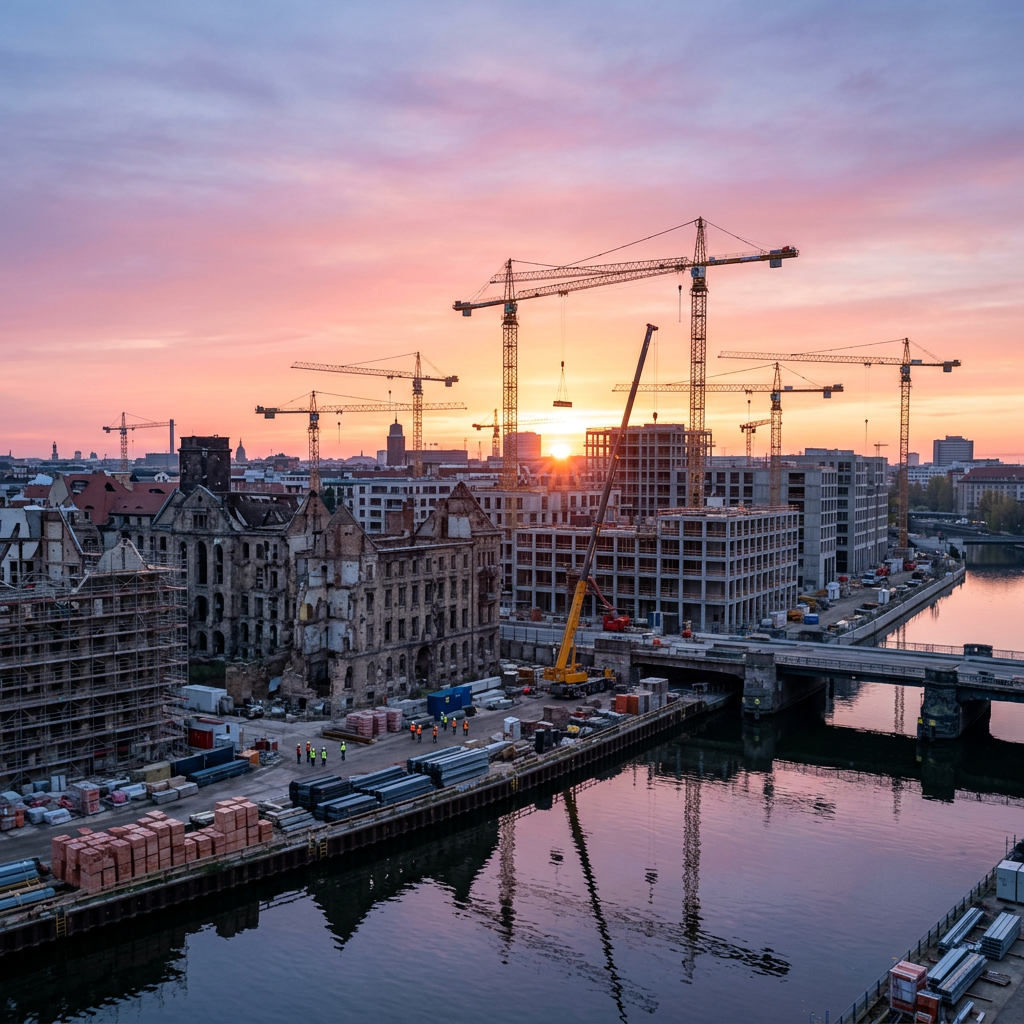
Historical Account of Economic Consequences of Wars
Wars are often analysed through their political and human consequences, but their economic aftereffects are equally transformative. When conflicts end, economies do not simply return to their pre-war state; instead, they undergo structural reconfiguration shaped by destruction, reconstruction, institutional change, and shifts in global power. From the devastation of the World War I and World…