
April 2026
-
Scale Paradox of Balancing Reach and Resonance in the Influencer Economy
The digital era has fundamentally transformed the relationship between brand and consumer, moving from the static broadcast of television commercials to the dynamic, two-way dialogue of social media. At the heart of this revolution is influencer marketing a multibillion-dollar industry built entirely on the fragile currency of human attention. However, as the market matures, the…
-
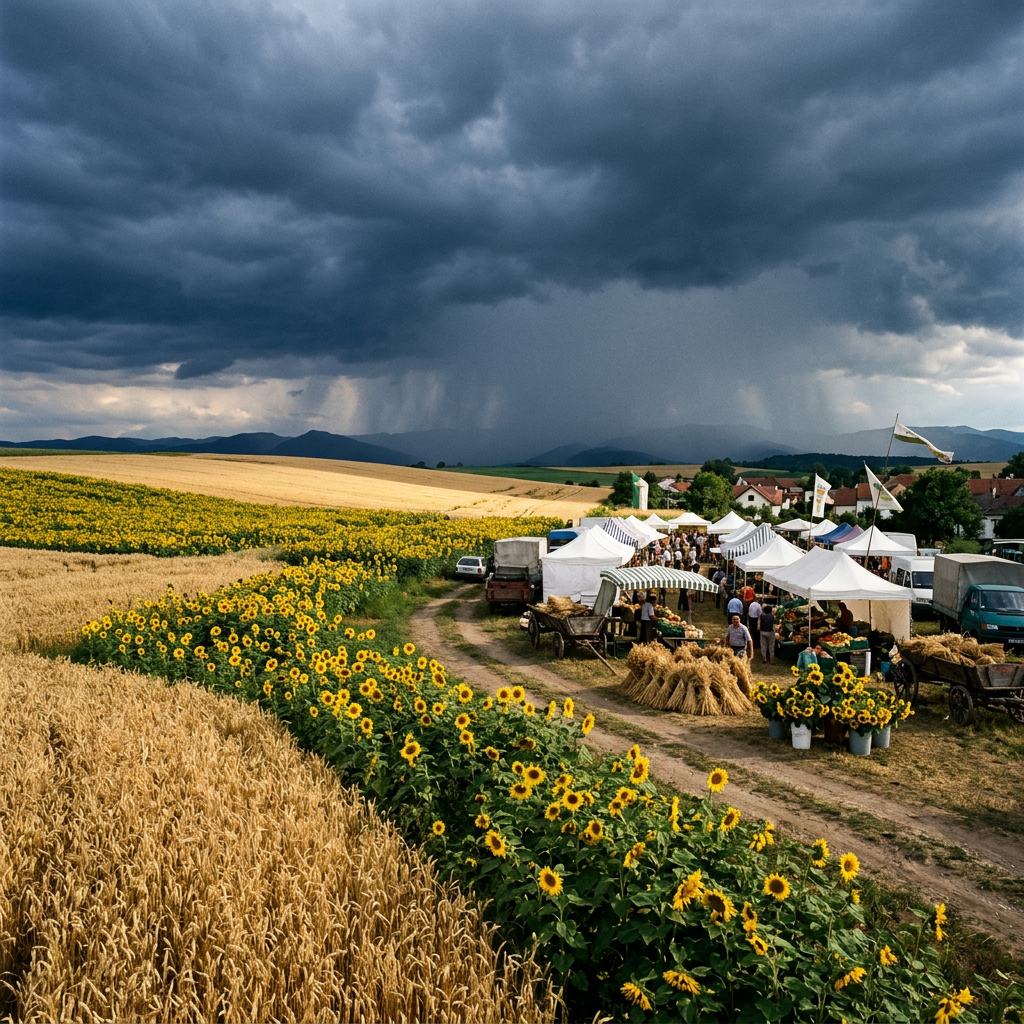
Commodity Disruption and Consumer Markets: The FMCG Impact of the Russia–Ukraine War
The Russia-Ukraine war is typically associated with energy prices, arms spending and geopolitics. But its effects on the global FMCG sector reveal a less visible but equally significant vector – farm commodities. Wheat and sunflower oil in particular became a war bridge to the supermarket aisle. This is because the needs of FMCG companies are…
-
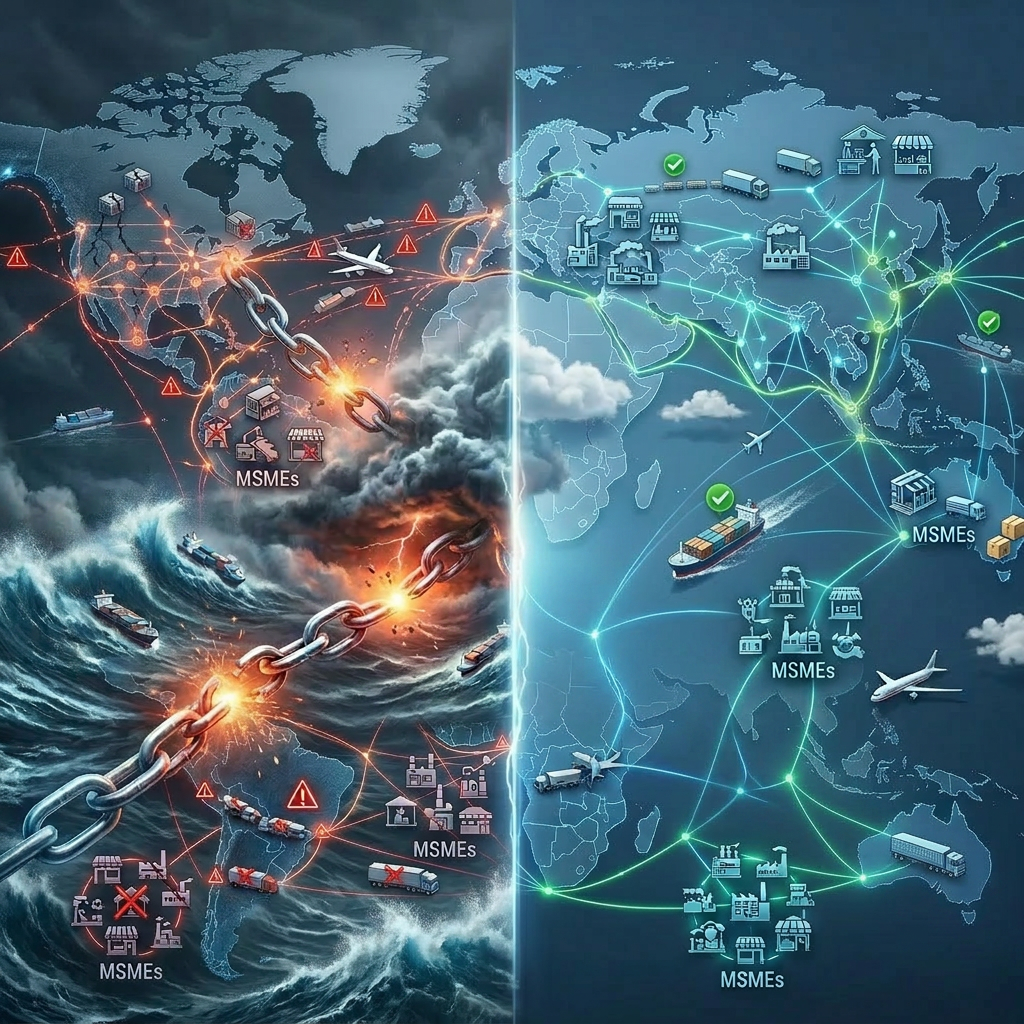
What Every MSME Must Learn from Global Conflict Shocks
Wars are geopolitical events, but their economic consequences are deeply local. They reach factory floors, disrupt small workshops, delay shipments, and strain cash flows, long before they appear in macroeconomic data. For Micro, Small and Medium Enterprises (MSMEs), these disruptions are not abstract risks but immediate operational challenges. Globally, MSMEs account for over 90% of…
-
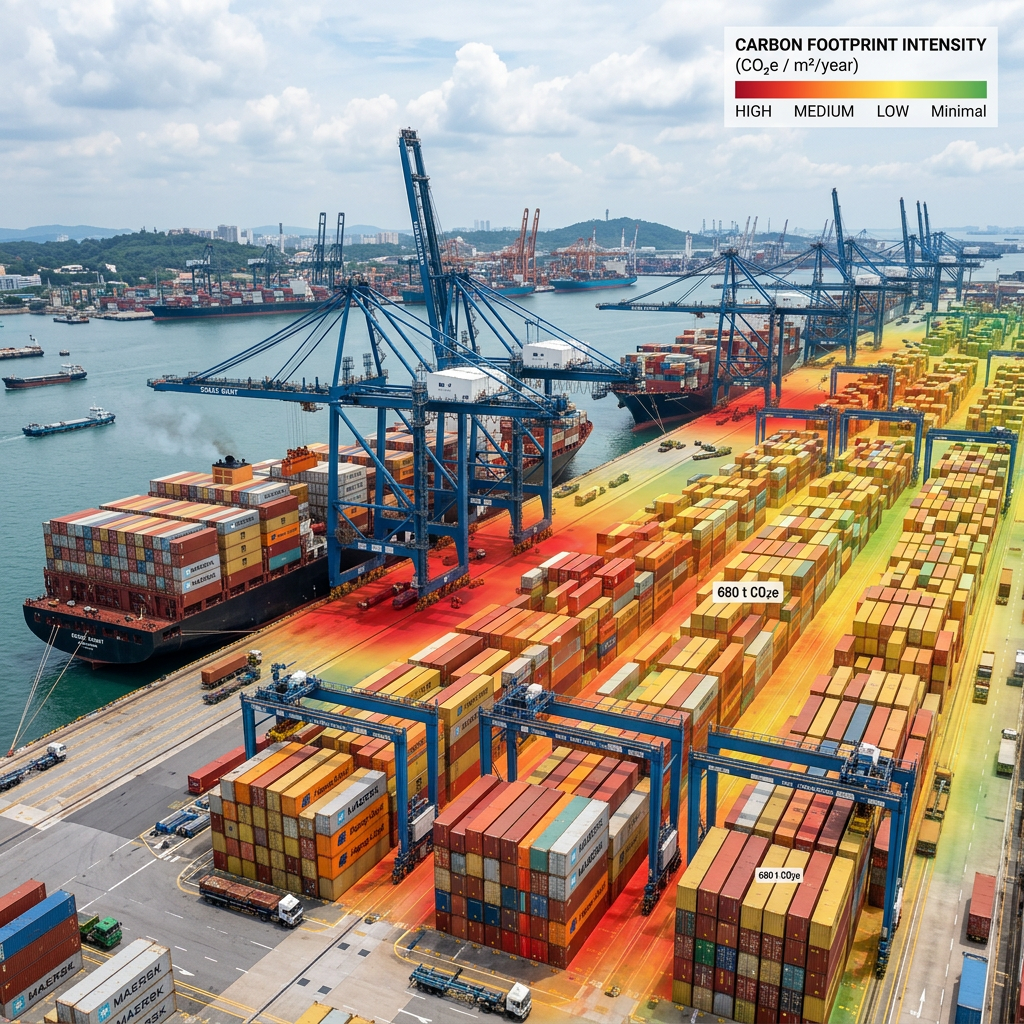
Explaining the European Union’s Carbon Border Adjustment Mechanism (CBAM)
World trade is no longer restructuring itself just in terms of cost effectiveness or supply chains but is becoming conditioned by what was until recently a highly domestic constraint: carbon. What is changing is not simply the price of goods, but the criteria by which goods are allowed to compete. In this emerging system, production…
-
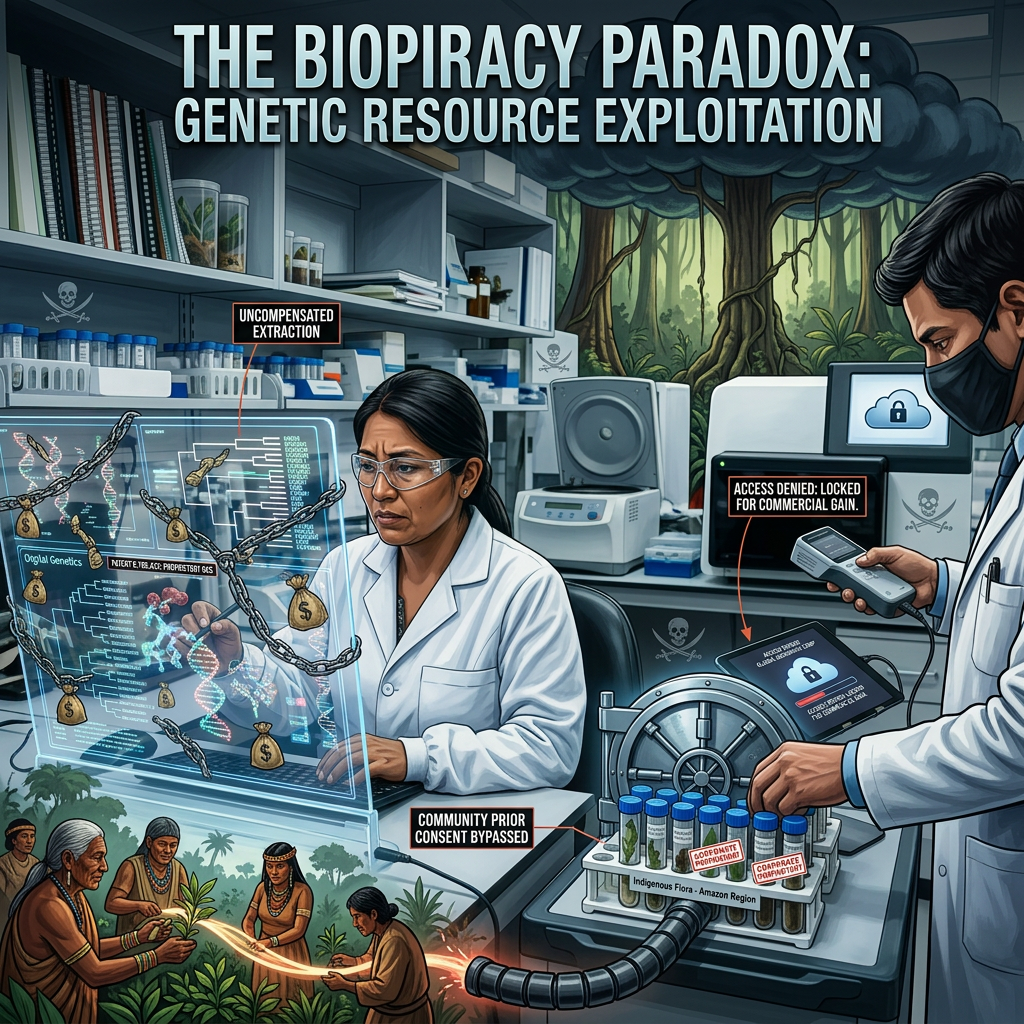
Biopiracy 2.0: The Digital Dematerialisation of Nature & The Future of Food
As foundational scholars like Vandana Shiva have extensively documented for decades, the global business of biology relied on a straightforward model of physical extraction. Traditional biopiracy was simple: corporations and researchers from wealthy, Western nations travelled to the developing world to harvest physical biological resources like seeds, plants, and soil alongside the indigenous knowledge that…
-
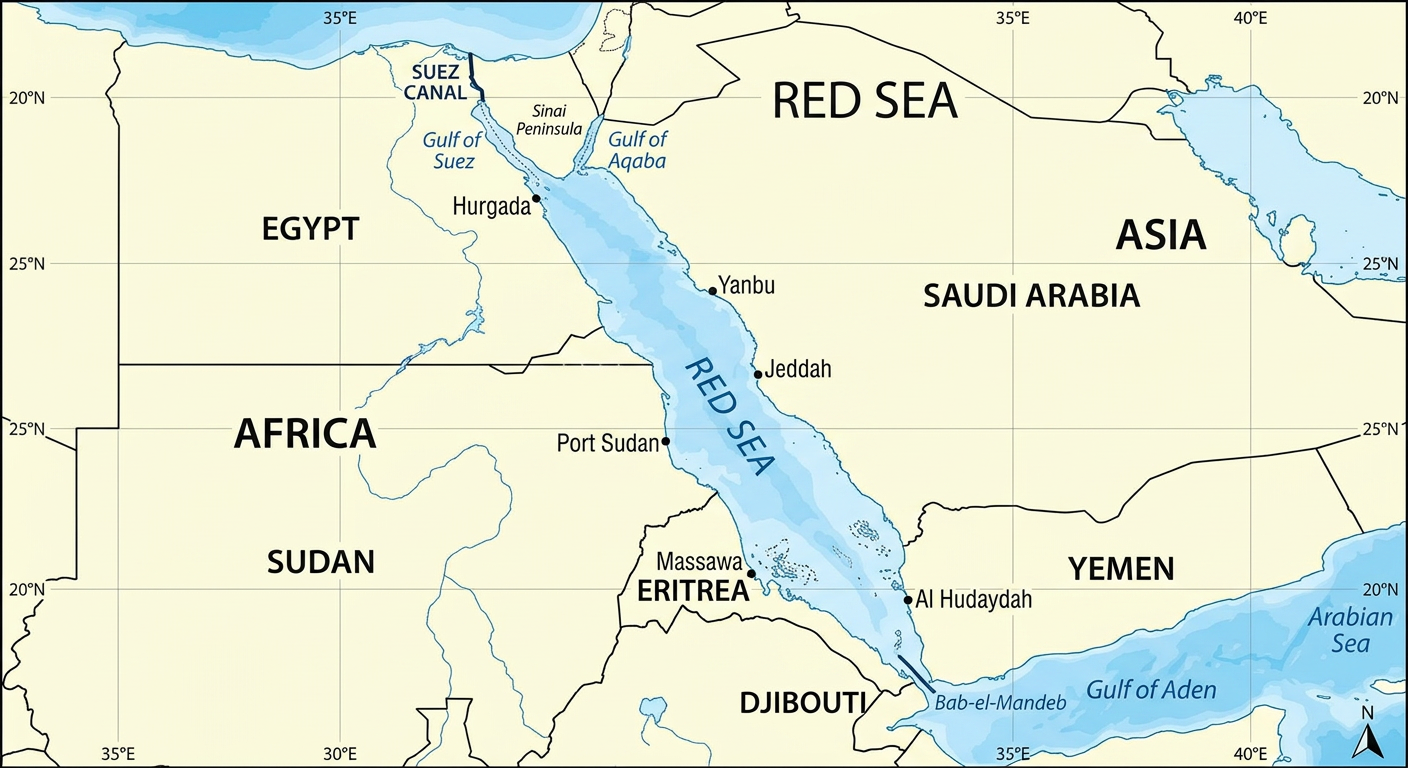
What the Red Sea Disruptions Reveal About Global Trade
The ongoing disruptions in the Red Sea, triggered by geopolitical tensions and attacks on commercial shipping, have reintroduced systemic fragility into global supply chains. What initially appeared as a regional security issue has evolved into a structural cost shock for global trade. Freight rates have surged, transit times have lengthened, and supply chain predictability has…
-
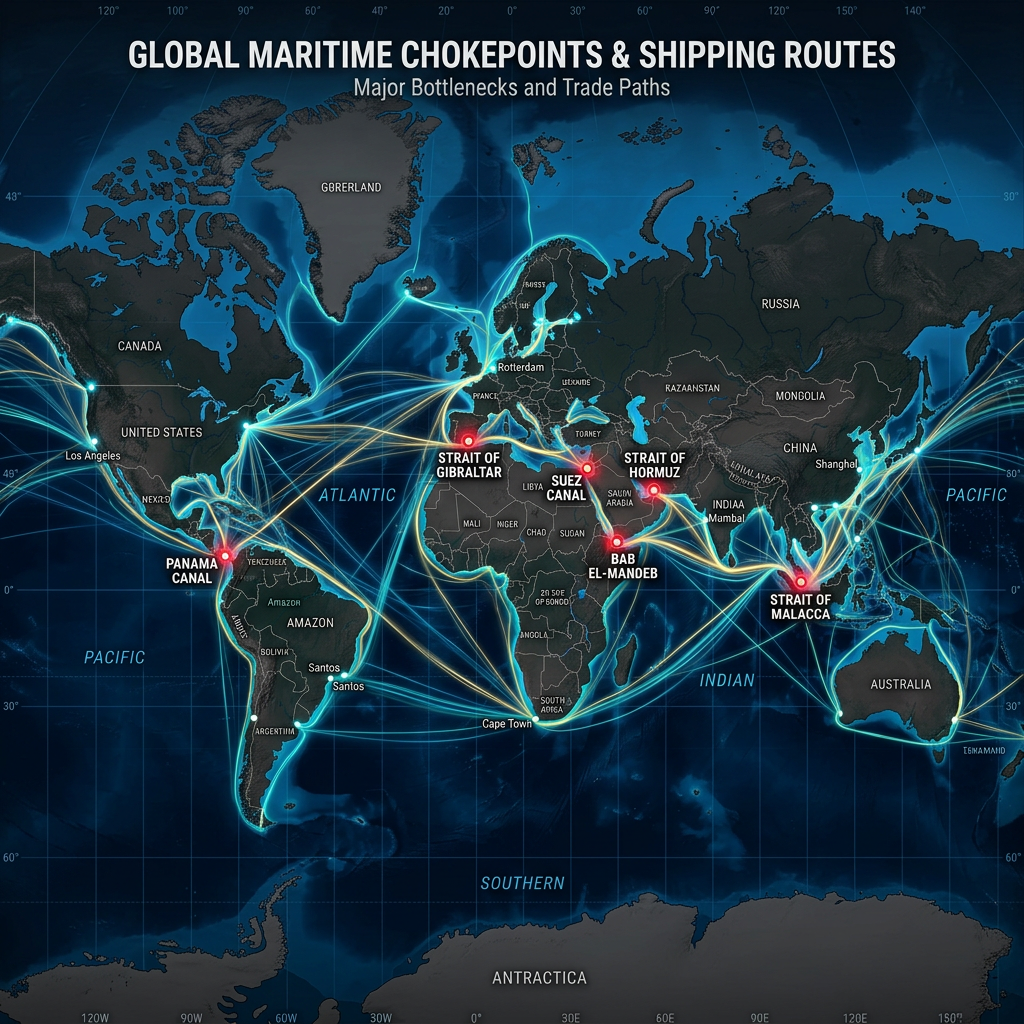
How Strategic Maritime Routes Shape Economic Power
More than 80% of global goods by volume, roughly 12,720 million tons as of 2024, are transported by sea (UNCTAD, 2025). That movement is not evenly distributed across open ocean; it is funnelled through a handful of narrow maritime passages. These are the world’s chokepoints, and they are where economic power is made and unmade.…
-
Economic and Strategic Aftershocks of the 2026 Iran Conflict
The escalation of tensions between Iran, Israel, and the United States in early 2026 does not fit neatly into the traditional framework of victory and defeat. Rather than a decisive military outcome, the conflict reflects a broader pattern in modern warfare where limited strikes produce disproportionate and often unintended economic and geopolitical consequences. Instead of…
-

How Russia–Ukraine War Reshaped Europe’s Power Markets?
The energy architecture in Europe designed over decades was based on efficiency. Imports of energy, especially Russian ones were rather stable, which allowed maintaining comparably low and predictable prices on energy, which in turn helped make industry competitive and maintain economic stability. Nonetheless, this model had a major weakness – excessive reliance on one external…
-
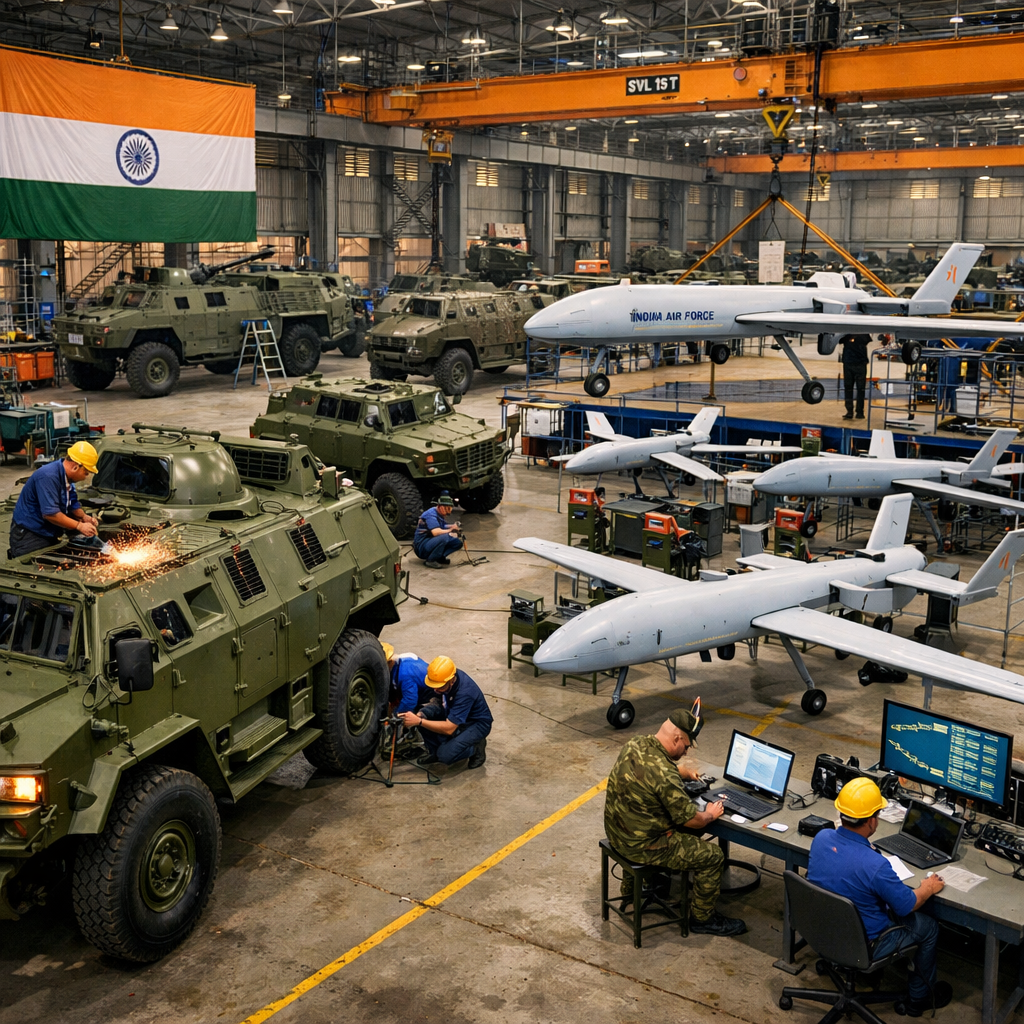
Evaluating India’s Defence Manufacturing Shift in a Conflict-Driven World
The current war between the United States, Iran, and Israel is not merely a military conflict, but a disruption at the systems level. Military strikes are now accompanied by cyberattacks on energy infrastructure, communication disruptions, and pressure on international trade routes like the Strait of Hormuz, through which almost 20 percent of the world oil…