
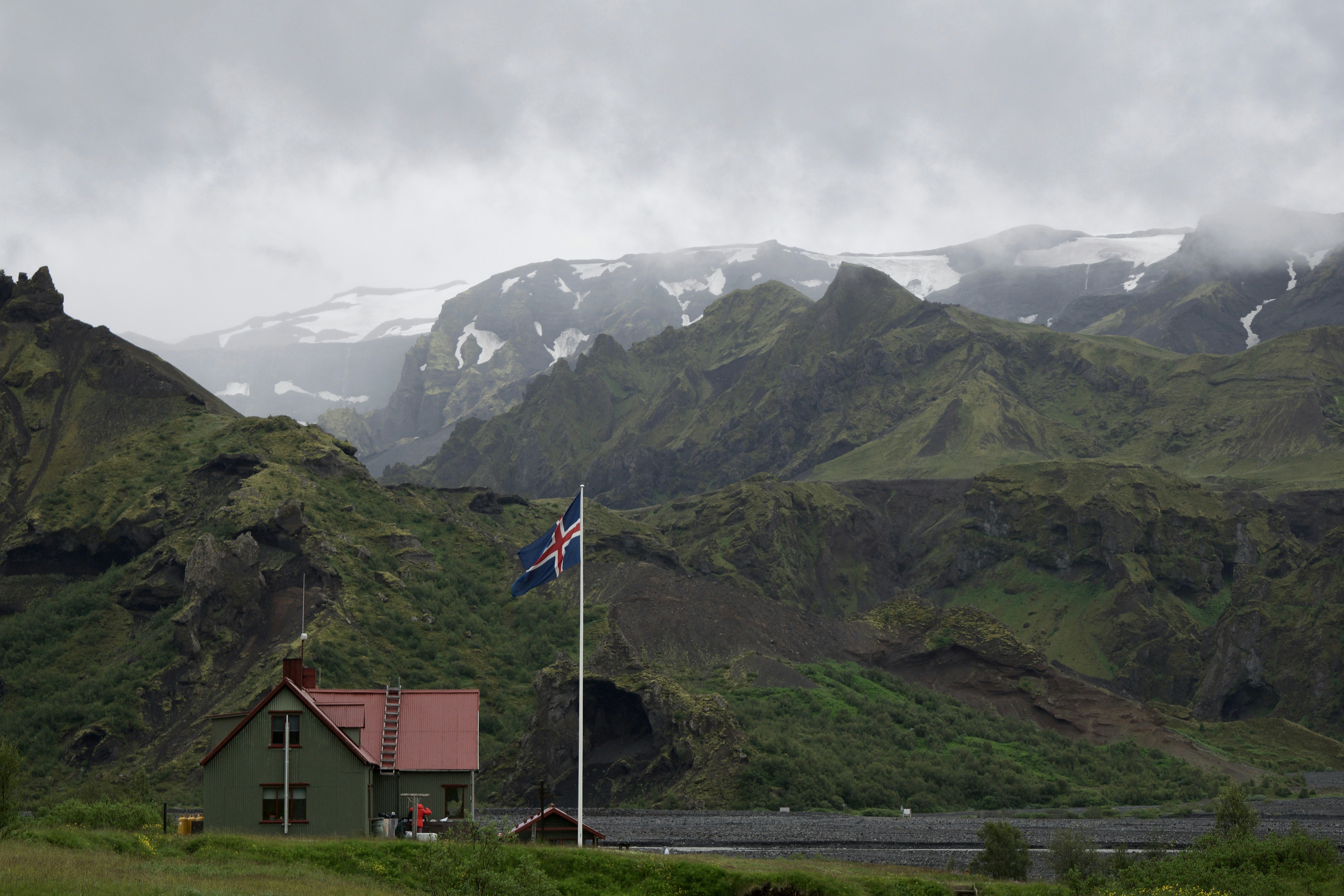
Iceland remains at the top of the Global Gender Gap Index, scoring 1st place in 2025 in the world to be the 16th year in a row. It is also the only country to exceed the 90 percent mark in the gender gap closure with 92.6 percent. Comparable levels of levels of education and health, as well as high political representation of women, are exemplifications of policies and social commitment with a view to equality. Nonetheless, such problems as the gap between male and female pay and obstacles in the way of older and migrant women serve as a reminder that change is not yet over. The experience of Iceland demonstrates that the legal system and cultural transformation can go together in order to promote equality.
Iceland has developed one of the most extensive legal systems in the world in order to do away with discrimination based on gender. The Act on Equal Status and Equal Rights Irrespective of Gender (No. 150/2020) gives a right to all persons irrespective of gender to receive equal access to opportunities in education, employment, politics and in access to public services. Under the legislation, government agencies must ensure that gender considerations are taken into account in decision-making and publish equality plans in the state institutions. Among the most interesting instruments is the Equal Pay Certification according to which the companies employing 25 or more people are required to certify that they do not pay men and women differently despite performing equal tasks, otherwise, they face daily penalties as a result. The law also implies intersectional discrimination assuring the safety of those who have registered their gender as neutral. The Directorate of Equality has the oversight role to monitor, offer guidelines and to address complaints. Cumulatively, these steps make gender equality more than a policy objective, as they make it a measurable and enforceable value.
Laws that protect, empower, and prevent abuse:
Article 218b: Recognizes violence in close relationships as a distinct crime, allowing harsher penalties for domestic abuse.
Article 199a: Criminalizes digital sexual violence, including the non-consensual sharing of intimate images.
Article 232a: Addresses stalking, protecting victims from repeated harassment and threats.
Act on the Protection of Sexual Privacy: Strengthens legal protections against digital abuses such as image-based harassment.
Act No. 79/2021: Expands human trafficking laws to include forced marriage and psychological coercion, closing important legal gaps.
Key Features of the Prosperity Act 2022:
- Early Intervention: The Act mandates the assignment of a coordinator to any child requiring initial support, ensuring timely access to necessary services.
- Three-Tiered Service Structure:
Primary Level: Basic services accessible to all children and parents, including education, sports, and general health services.
Secondary Level: Individualized support for children needing additional assistance, facilitated by a Case Manager.
Tertiary Level: Specialized support to address significant threats to a child’s well-being.
- Rights-Based Approach: Emphasizes the child’s best interests, respecting the rights and responsibilities of parents and caregivers, and considering the child’s views according to their age and development.
- Monitoring and Evaluation: The government has developed a dashboard tracking five key dimensions of child well-being: Education, Quality of Life, Health and Well-being, Security and Protection, and Participation and Social Connection. This tool aids in policy decisions and resource allocation.
- Economic Impact Assessment: Prior to implementation, an assessment predicted that the Act would reduce adverse childhood experiences and enhance children’s coping capacities, offering returns comparable to other profitable investments made by the government.
Iceland has prohibited marriage under 18 and without exception. Although there is no female genital mutilation (FGM) in the country, Iceland has made it a priority to closely monitor it – after 2000, no woman or girl aged 15 to 49 underwent FGM in hospital unless medically necessary. The nation also contributes to the efforts of the rest of the world on this issue, co-sponsoring a resolution in the UN Human Rights Council in 2025 to stamp out FGM everywhere. This is an indication of Iceland preventing, legal enforcement and international advocacy. Moreover, Iceland’s strict laws against forced medical procedures and violations of bodily integrity provide a strong legal basis to prosecute any FGM cases if they were to occur.
It also prioritizes care work by providing 6 months paid leave to each parent to raise a child and they urge fathers to be more actively involved, increasing their number of leave days, which reached 131 in 2021 against 93 in 2019. The government also invests massively in affordable childcare, amounting to over 1.6 percent of GDP, much higher than in Europe. Furthermore, there is an easy-to-use digital system to apply because 90 percent of parents use it to make an application of parental leave. Such policies assist in balancing family care and the ability of women to be more economically active.
How Iceland Gets Sexual and Reproductive Health Right:
- Free Access to Contraceptives: Youth under 22 receive free or subsidized contraceptives through public healthcare, improving accessibility and reducing unplanned pregnancies.
- Comprehensive Sex Education: Mandatory in schools from an early age, covering reproductive rights, consent, relationships, and gender equality.
- Universal Maternity & Reproductive Care: Prenatal, childbirth, and postnatal services are publicly funded and available to all women regardless of income or immigration status.
- Legal Access to Abortion: Abortion is permitted up to 22 weeks of pregnancy, based on a woman’s own decision, following reforms in 2019 that expanded reproductive autonomy.
- Support for LGBTQ+ Reproductive Rights: Equal access to fertility treatments and parental rights is guaranteed for all genders and sexual orientations.
- Alignment with International Frameworks: Iceland actively implements the goals of the ICPD Programme of Action and Beijing Platform for Action, and regularly reports progress to UN bodies.
Women Leading in Iceland’s Politics: As of 2025, 46% of Iceland’s parliamentarians and 60% of cabinet members are women, reflecting strong gender balance in governance. Iceland was the first country to elect a female president, Vigdís Finnbogadóttir, in 1980, and continues that legacy with Katrín Jakobsdóttir serving as Prime Minister since 2017. The Act on Equal Status and Equal Rights enforces gender quotas on public boards and committees, ensuring women’s full and effective participation in decision-making at all levels.
Significant efforts are taken to supporting Women’s Economic Rights and Business : Equal ownership and inheritance rights of women to land and property is guaranteed by an Act on Equal Status and Equal Rights in Iceland (2008). The country made significant strides with women now owning or co-owning approximately 43% of privately owned homes (2023). The government also encourages financial parity as it provides women entrepreneurs with specialized loan schemes, grants and specialized training in business skills and leadership. Women are being networked via platforms with mentors and investors and the rules on equal access ensure women have equivalent access to mandatory level banking and credit services. Furthermore, changes to the inheritance law also ensure gender-neutral rights and the popularization of economic empowerment of women. The country actively promotes the use of Information and Communications Technology (ICT) to empower women across society. Initiatives encourage women to participate in STEM fields and the tech workforce.
The Directorate of Equality ( Jafnreittisstofa ) is an essential part of enforcing gender-equality laws. This is a government agency, which oversees implementation, sensitizes and advises public and privately owned institutions on ways in which women rights will be adopted in economic, political and social premises.
Regardless of this tremendous progress in Iceland, there are a number of challenges which it continues to face. Gender pay gap exists as well, which means that equal pay laws should be better enforced and that some cultural changes are required. Both migrant women and older women encounter barriers to employment and social services that demonstrate areas of exclusion. Also, there remain micro-inequities and organizational restrictions in some sectors, which inhibit gender equality. These are concerns that inform us that despite the great progress, we still should be vigilant and continue to work towards achieving equality in the real sense.
The country’s progress in advancing gender equality showcases the impact of combining strong legal frameworks with proactive government policies and cultural support. Achievements in political representation, protection against violence, economic empowerment, and reproductive rights demonstrate a holistic approach to ensuring equal opportunities for all genders. Continuous efforts to address remaining challenges reflect a deep commitment to creating an inclusive society where everyone can thrive. This comprehensive approach serves as a blueprint for sustainable and meaningful equality.
Author

Make Tatvita one of your preferred sources
See more insights from Tatvita Analysts in your Google Search results.


Leave a Reply