
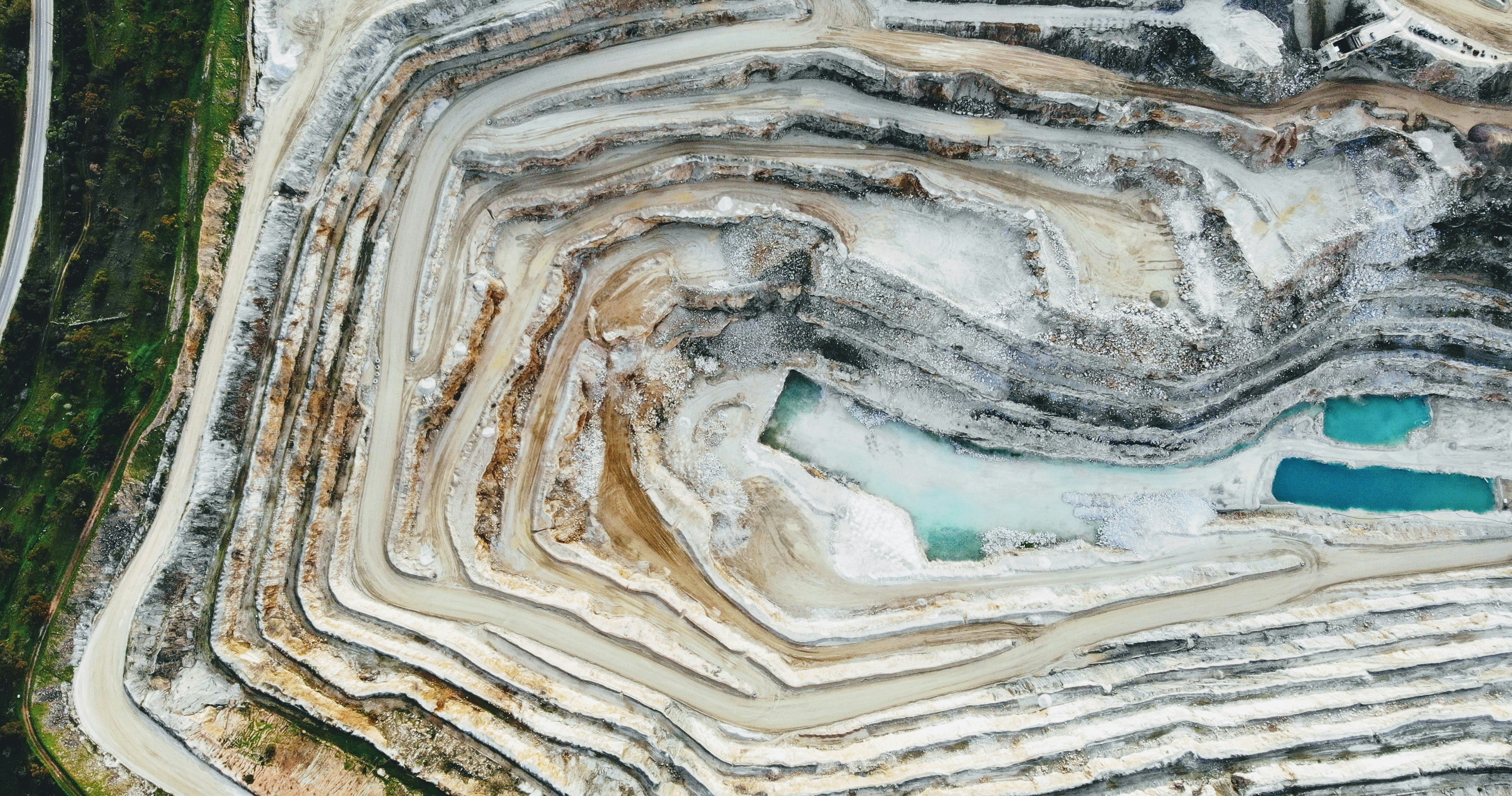
Mineral economics has emerged as a pivotal discipline in the age of clean energy transition, geopolitical uncertainty, and supply chain realignment.
Mineral economics is no longer a back-office technical field—it is now central to national strategy, industrial competitiveness, and investment planning. As the world races toward a net-zero future and strategic autonomy, those who understand and leverage the dynamics of mineral economics will hold a decisive edge. Investing in minerals is not just about commodities—it is about owning the foundations of tomorrow’s economy.
Why This Matters Now
With global demand for critical minerals such as lithium, cobalt, and rare earth elements expected to rise by 4–6 times by 2040 (IEA), and over 90% of rare earths currently processed in China, the urgency to build sustainable and strategic mineral ecosystems is greater than ever.
Mineral economics is emerging as a cornerstone of modern economic strategy, particularly for investors and policymakers navigating the complex terrain of energy transition, supply chain security, and industrial competitiveness. At its essence, mineral economics involves the systematic study of mineral resource valuation, market behaviour, extraction costs, and long-term sustainability. It connects geological realities with macroeconomic planning, fiscal frameworks, and technological change.
For policymakers, it provides the tools to design informed resource governance models, attract quality investments, and safeguard national interests. For investors, mineral economics helps identify emerging sectors, mitigate risks, and align portfolios with long-term global trends like decarbonization and digital transformation.
In today’s volatile global landscape, understanding the economic underpinnings of minerals—especially critical and strategic ones—is not just valuable, but vital.
Despite growing awareness, most countries and markets still lack integration between policy frameworks, investment readiness, and data intelligence. This article offers a roadmap for aligning capital, strategy, and governance to harness the full potential of mineral economics.
What Is Mineral Economics and Why Does It Matter?
Mineral economics bridges geology, finance, policy, and sustainability. It provides tools for valuation, risk analysis, cost forecasting, and resource governance. More than an academic field, it functions as a strategic lens through which national economies and private capital assess:
- Resource potential and scarcity
- Supply-demand modeling
- Environmental and social costs
- Trade-offs in value addition vs. raw exports
- Long-term industrial planning
Countries that excel in mineral economics use it to secure critical supply chains, attract responsible investment, and design green growth pathways.
Global Demand Shock Meets Supply Fragility
Clean energy technologies are heavily mineral-intensive:

EVs, solar panels, wind turbines, and grid storage systems depend on these minerals. Yet, the supply remains fragile and geopolitically concentrated:
- 70% of cobalt comes from the DRC
- 60% of lithium is refined in China
- 90% of rare earth processing is in China
The push towards clean energy technologies—from electric vehicles (EVs) to solar panels and grid storage—has made critical minerals the new oil. Lithium, cobalt, graphite, nickel, and rare earth elements are now foundational inputs for batteries, semiconductors, wind turbines, and smart devices.
Industries such as defence, aerospace, electronics, renewable energy, and infrastructure are heavily mineral-intensive. Any disruption in the supply chain of minerals—be it geopolitical (China’s rare earth dominance) or environmental (water scarcity in lithium extraction regions)—can lead to cascading effects across multiple sectors.
Challenges for Policymakers and Investors
For Policymakers:
- Inadequate mineral intelligence: Limited exploration data and fragmented information systems.
- Regulatory opacity: Unpredictable policies, royalty regimes, and FDI restrictions.
- Low value addition: Exporting unprocessed ores instead of building refining capacity.
- Community resistance: Driven by historical displacement, water use, and environmental damage.
For Investors:
- High ESG risk: Operations in sensitive geographies with poor transparency.
- Capital lock-in: Long project cycles, high upfront investment.
- Data gaps: Limited access to real-time cost and price forecasts.
- Policy unpredictability: Changing tax structures and environmental rules.
Opportunities: Aligning Capital and Policy for Strategic Growth
- Midstream Infrastructure: Only two countries (China and Malaysia) currently dominate rare earth refining. Building domestic capabilities in lithium hydroxide, cobalt sulphate, and REE separation is a high-impact investment area.
- Technology-driven Exploration: Companies using AI, remote sensing, and predictive analytics to identify mineral-rich zones are attracting capital. Public-private partnerships can reduce exploration risk.
- Urban Mining and Circular Economy: E-waste, spent batteries, and industrial byproducts can be mined for valuable materials. Recycling reduces ecological damage and creates new investment opportunities.
- Strategic Mineral Corridors: Creating integrated mining-industrial-logistics hubs with common infrastructure can attract scale investments. India, for instance, is considering corridors in Odisha and Chhattisgarh for lithium and bauxite.
- ESG-aligned Mining: Green certification, renewable-powered operations, and community benefit sharing are increasingly being linked to cheaper finance and global market access.
Data and Market Intelligence: The Next Frontier
Only 17 countries maintain transparent mineral cost databases (World Bank, 2023). Lack of real-time data inflates investor risk premiums.
Creating a national-level mineral intelligence platform that aggregates:
- Geological survey results
- Trade and export-import data
- Cost curves and price forecasts
- ESG performance indicators will enable smarter investment decisions and policy interventions.
Strategic Recommendations
For Policymakers:
- Establish Mineral Intelligence Platforms: Invest in real-time, AI-powered data systems for tracking resources and value chains.
- Design Tiered Incentives: Offer differentiated royalty, tax, and export benefits for critical mineral investments.
- Build Processing Infrastructure: Co-locate refining with logistics, power, and water infrastructure.
- Encourage Mineral Diplomacy: Form partnerships for offtake agreements, tech transfer, and joint R&D.
- Enforce ESG Frameworks: Make ESG compliance part of licensing, monitoring, and reporting.
For Investors:
- Target Midstream Assets: Focus on refining, recycling, and battery manufacturing for higher margins.
- Use ESG as Risk Filter: Prioritize projects with strong community, water, and emissions management.
- Adopt Scenario Planning: Model climate, trade, and tech disruption across 10–20 year investment cycles.
- Engage in Policy Dialogue: Shape and respond to regulatory shifts through industry forums.
Conclusion: Leading Through Mineral Economics
In the coming decades, strategic minerals will not just power economies, they will shape them. Countries that combine good geology with sound economics and governance will rise as industrial leaders. Investors who understand the full value chain—from exploration to circular recovery will gain not just returns, but relevance.
Mineral economics offers the lens, the language, and the levers to navigate this transformation. It’s time to move from extraction to strategy, from transactions to ecosystems. The future is mineral-driven, and the time to lead is now.
Author

Make Tatvita one of your preferred sources
See more insights from Tatvita Analysts in your Google Search results.



Leave a Reply