
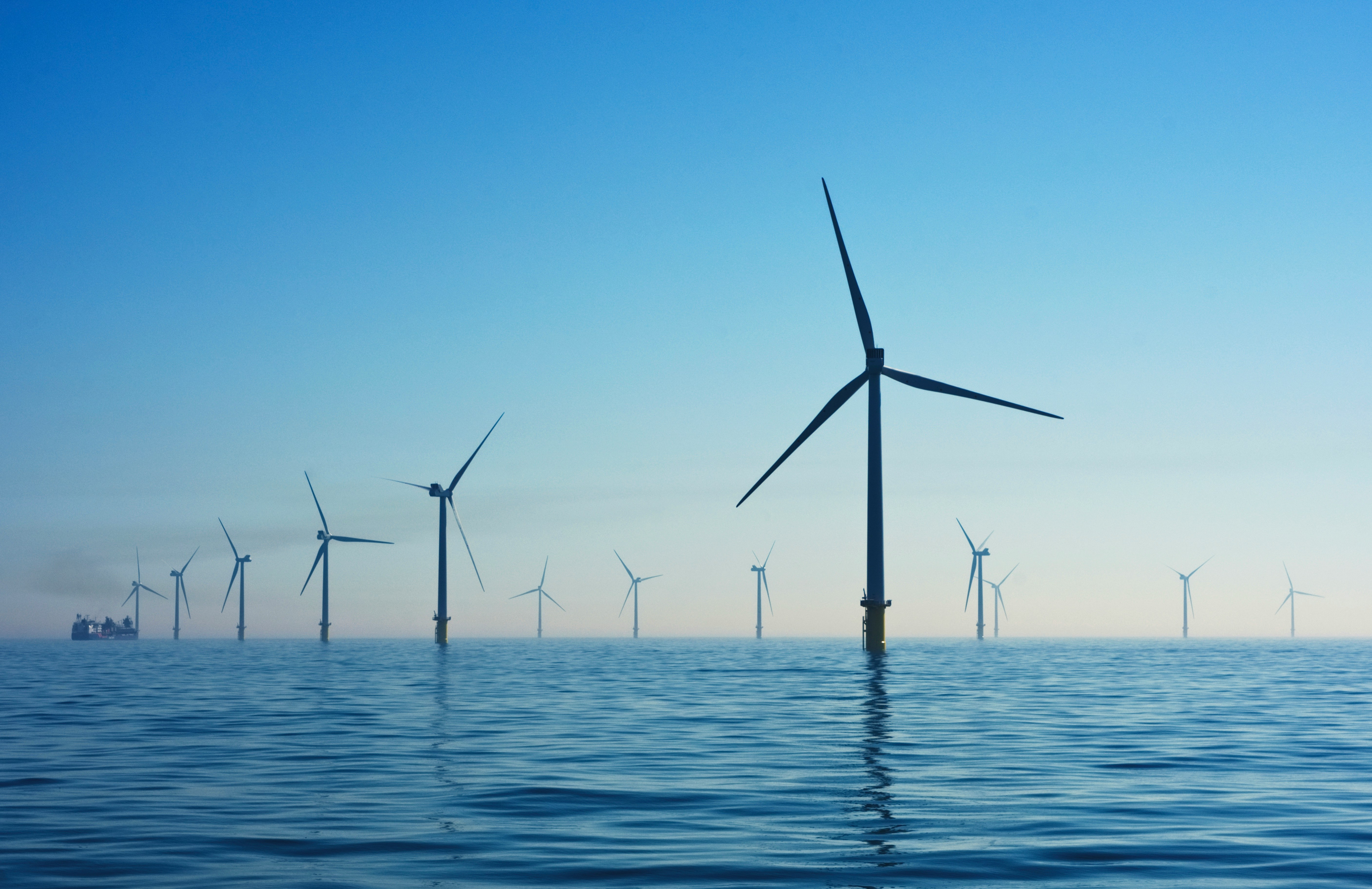
Energy is more than just the electricity that powers our homes or the fuel that drives our vehicles—it is the foundation of modern economies and a key determinant of national progress. As the world moves towards a more sustainable future, the transition to cleaner energy sources is not just an environmental imperative but an economic necessity.
In India, achieving sustainability requires a coordinated effort across all levels of governance, industry, and society. A robust and efficient energy infrastructure is critical for ensuring economic growth while minimizing environmental impact.
This series of articles examines the energy landscape across different regions of India such as the Northern; Central; Eastern; North-Eastern; and, Western, evaluating their infrastructure, challenges, and potential for sustainable development.
In this article, we focus on the Southern Zone, comprising five major states—Andhra Pradesh, Karnataka, Kerala, Tamil Nadu, and Telangana. Tamil Nadu, in particular, has made significant strides in energy development, while Kerala excels in human development indicators. Understanding the energy dynamics of these states provides valuable insights into India’s broader energy transition.

Demand-Supply Analysis of Energy Infrastructure:
Power Requirements and Demand Matching
As stated earlier, the southern region is one of the most developed parts of India. With many industrial clusters located within it, South is vibrant in economic activities. Naturally, it is marked by large power requirements. Save for Kerala, all states in this category require power more than 8,000 crore units.
However, it is commendable that despite such humongous requirements, the states are able to supply power in their region. Andhra Pradesh, Kerala and Tamil Nadu are able to match all the demand generated within. Even in Karnataka and Telangana, the Demand-Supply mismatches are of very short magnitude.
Per Capita Power Availability:
Per person power availability is important to study the true picture of power infrastructure of a state.
Southern states show very high levels of power availability per capita. All states except Kerala boast of providing more than 1.5 Megawatt per person per hour. Telangana outperforms the rest and provides more than 2 Megawatt per hour.
From the initial discussion, it must be clear that securing steady availability of power within has given these states better economic prospects.
Installed Power Capacity:
Analysis of installed power capacity is important to study self-reliance of states in energy sector.
As is seen in other energy indicators, the southern states also excel prominently in installed power capacity. With Tamil Nadu being the flagbearer, these states combined have a power capacity of over 126 Gigawatt. It is the leading region in India in terms of installed power capacity.
However, in the midst of these states, one must not forget the performance of Kerala. If analysed separately, Kerala does have a sound power infrastructure. Yet, comparing it with the performance of the rest of the cohort, it falls short of the mark. Perhaps the hilly terrain, frequent rains and wetland soil might contribute to the state’s uncaptured energy potential.
Still, it is clear that the southern zone is not only self-sufficient in power generation, but also takes care of mismatches in the rest of the country as well.
Path Towards Sustainability: State-wise Approach
One must understand the positioning of the southern region to analyse its potential towards sustainable development. All states in the region fall entirely to the south of the Tropic of Cancer. They have tremendous potential for development of solar energy infrastructure. Also, hydro and wind energy have a lot of scope to thrive in these states.
Andhra Pradesh: Wind and Solar Power
Currently, Andhra Pradesh has made strides in both solar and wind energy in its energy mix.
Government Recommendations:
- Work on increasing rooftop solar installations.
- Improving efficiency of biomass power.
Private Sector Role:
- Research on improving Waste-to-energy potential in the state.
- Work with government to make bagasse and non-bagasse cogeneration more robust.
Karnataka: Biomass Potential
As of 2023-24, solar and wind energy have topped the energy mix of Karnataka. However, being one of the leading producers of sugercane and agricultural produce, it has potential to increase its biomass potential too.
Government Recommendations:
- Invest in technological innovations in biofuels.
- Increase investment in hybrid solar components.
Private Sector Role:
- Work with government to promote biomass energy drive in the state.
- The sugar cooperatives can work towards harnessing bagasse cogeneration potential.
Kerala: Hydro Energy Infrastructure
Being a state nestled in the Western Ghats, the state receives a sizeable rainfall. Kerala can invest in hydro energy infrastructure.
Government Recommendations:
- Promote small scale hydro projects in the state.
- Scale up Waste-to-energy component in the state.
Private Sector Role:
- Incentivize people to undertake off-grid solar installations under PM-KUSUM.
- Work with government to make wind energy more viable.
Tamil Nadu: Fortress of Wind Energy
Tamil Nadu is one of the leading producers in terms of wind energy. With a varied renewable portfolio, it can branch out to other sources as well.
Government Recommendations:
- Work on promoting hybrid solar systems in the state.
- Invest in research and development in making renewable energy infrastructure more affordable and productive.
Private Sector Role:
- Work towards better storage and transportation of energy.
- Invest in scaling the manufacturing of renewable energy equipment.
Telangana: Scope for Wind Energy
Telangana has good levels of ground mounted solar installations currently.
Government Recommendations:
- Improving potential of wind energy in the state.
- Increase people’s participation in PM-Surya Ghar scheme for solar rooftops.
Private Sector Role:
- Work with government for improving biomass potential of the state.
- Invest in manufacturing of wind energy equipment.
Conclusion:
The world is one family, and actions in one place have repercussions on another. As we all move towards a greener and cleaner future, renewable energy must become our staple. India may just be one country in the world, but we must pay our dues to the protection of the planet, with being the most populous nation. Cooperation from all states is in order for that common goal.
Authors


Make Tatvita one of your preferred sources
See more insights from Tatvita Analysts in your Google Search results.


Leave a Reply