
Author: Tatvita Analysts
-

SDG 12, Circular Economy, and Sustainable Production: Profit Strategy for Businesses
For most of the last two decades, sustainable production was treated by businesses as a compliance obligation or reputational exercise. Environmental standards were met at the margin, sustainability reports were published annually, and core business models remained largely linear. That approach is rapidly becoming obsolete. SDG 12 — Responsible Consumption and Production has moved from…
-

2035 Urban India: Where Will People Live, Work, and Invest?
India stands on the brink of one of the greatest urban transformations in human history. Over the next decade and beyond, unprecedented flows of population, capital, and economic activity are set to reshape where and how Indians live and work. For businesses, investors, urban planners, and residents alike — the big question is: where will…
-

Innovation, Inequality, Industry: Why Markets Don’t Compete for Equality
Across industries, businesses operate under the same macroeconomic conditions, yet their outcomes differ dramatically. Some firms dominate global markets, while others struggle to remain competitive. Even within identical industries, performance gaps are expanding. This persistent divergence raises a critical question: if firms face the same environment, why do inequalities persist — and often intensify? The…
-
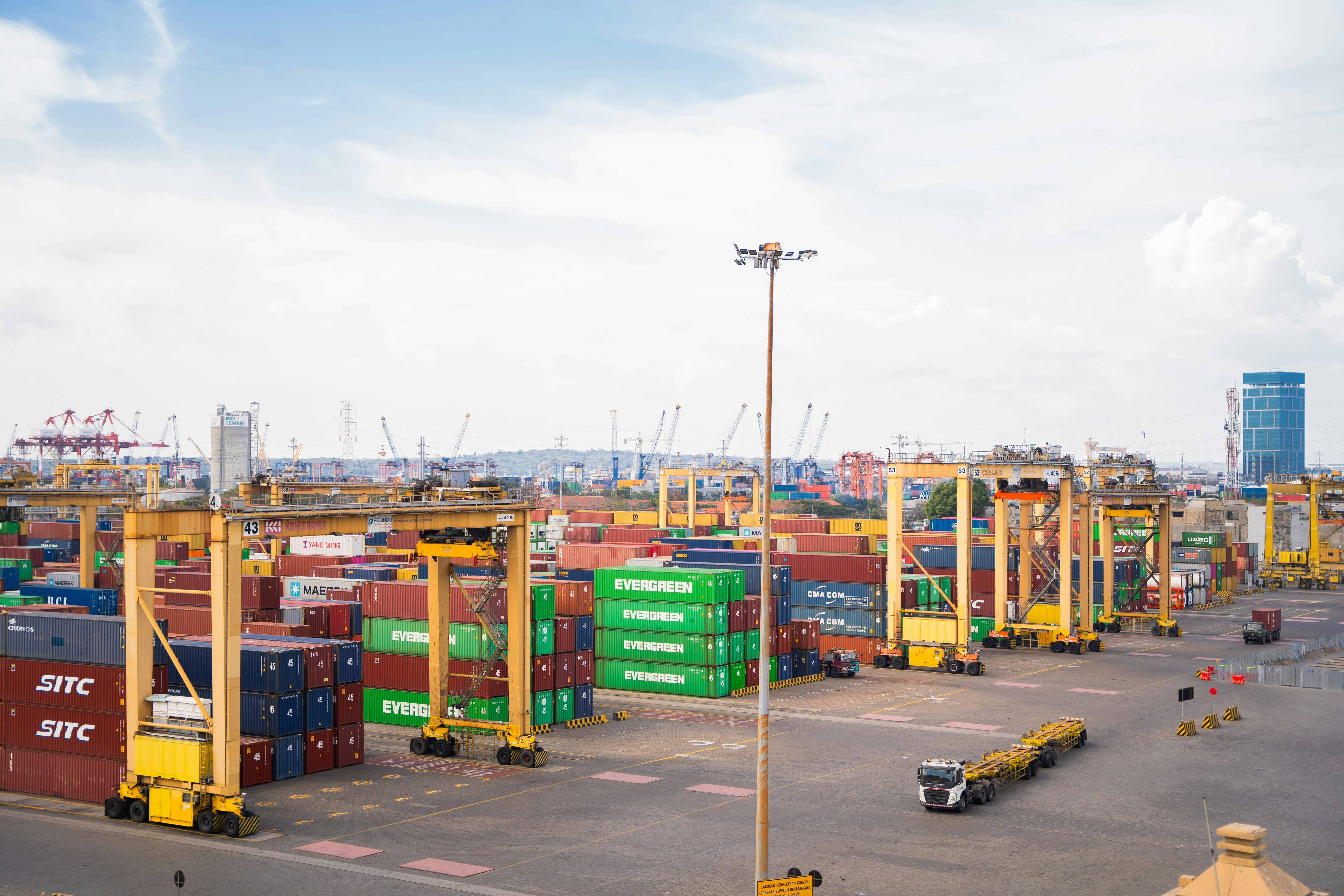
Strategic Lessons of Logistics and Supply Chain Management for Businesses & SDG 9
Sustainable Development Goal 9 (SDG 9) emphasizes the creation of resilient infrastructure, inclusive and sustainable industrialization, and the promotion of innovation. In today’s global economy, logistics and supply chain management (SCM) are critical enablers of these objectives. They influence production efficiency, cost structures, competitiveness, and the overall ability of firms to adapt to market and…
-

Understanding Climate-Resilient Infrastructure for SDG 9
Infrastructure underpins modern economies — from roads, bridges, and airports to water systems, energy grids, and digital networks. Yet, as climate change intensifies, these systems are increasingly exposed to extreme weather events, rising sea levels, flooding, droughts, and heatwaves. This raises a critical question: how can countries build infrastructure that can withstand shocks, adapt to…
-

Importance of Labour Laws for both Employers & Employees
The Sustainable Development Goal 8 (SDG 8) — promote sustained, inclusive, and sustainable economic growth, full and productive employment, and decent work for all — sits at the intersection of economic competitiveness and social justice. Labour laws are a core policy instrument in achieving this goal. They regulate working conditions, wages, occupational safety, collective bargaining,…
-

China’s Solar Power Drive and the Road to SDG 7
China today stands at the forefront of the global solar energy revolution. Over the past two decades, the country has transformed itself from a follower in renewable technologies to the undisputed leader in solar photovoltaic (PV) production, deployment, and innovation. This transformation is not accidental; it is the outcome of deliberate industrial policy, large-scale investments,…
-

Seoul’s Blueprint for Urban Clean Energy
In April 2012 Seoul launched a flagship local energy transition policy, the One Less Nuclear Power Plant (OLNPP) initiative, with ambitious targets: reduce citywide energy consumption by 2 million tonnes of oil equivalent (TOE) — the capacity equivalent of one nuclear reactor — while increasing local renewable production and civic participation. Over its phases (2012–2020+)…
-

Untapped Market & Business Opportunities in Geothermal Energy
As the world accelerates its transition toward sustainable energy systems under SDG 7 (Affordable and Clean Energy), much of the focus has been on solar, wind, and hydropower. Yet, beneath the Earth’s surface lies one of the most stable, renewable, and underutilized resources: geothermal energy. Despite its enormous potential, geothermal contributes just 0.5% of global…
-

Understanding Clean Energy: A Cornerstone of SDG 7
Energy has always been the engine of human progress. From the Industrial Revolution fueled by coal to today’s digitally connected world powered largely by oil and gas, energy defines our economies and lifestyles. Yet, this dependence on fossil fuels comes at an extraordinary cost—air pollution, climate change, resource depletion, and geopolitical vulnerability. According to the…