
August 2026
-
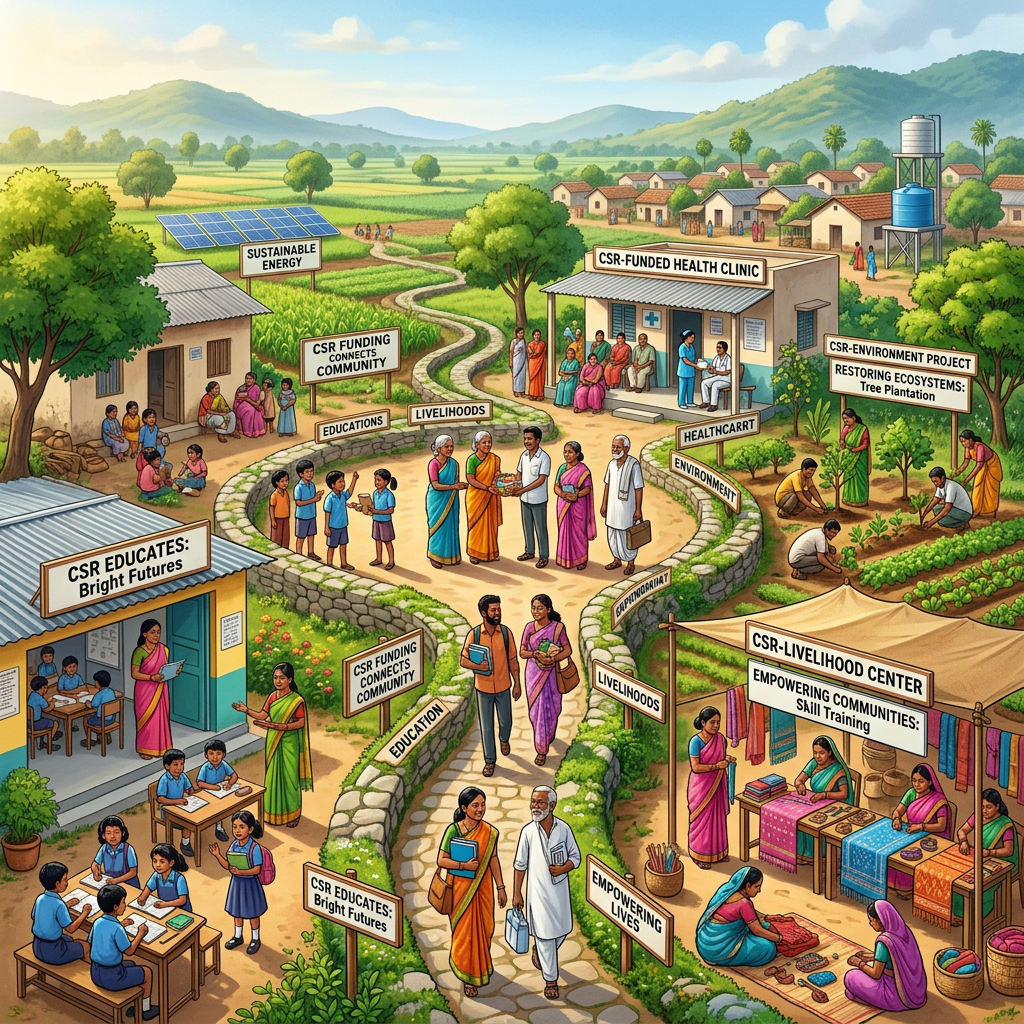
CSR Impact Assessment: Are We Measuring Money Spent or Change Created?
India’s Corporate Social Responsibility (CSR) ecosystem has reached a scale where the central question can no longer be simply how much companies spend. It must increasingly become what changed because they spent it. Companies reported more than ₹1.44 lakh crore of development-sector CSR expenditure between FY2019-20 and FY2023-24, with annual expenditure increasing from ₹24,965.82 crore…
-
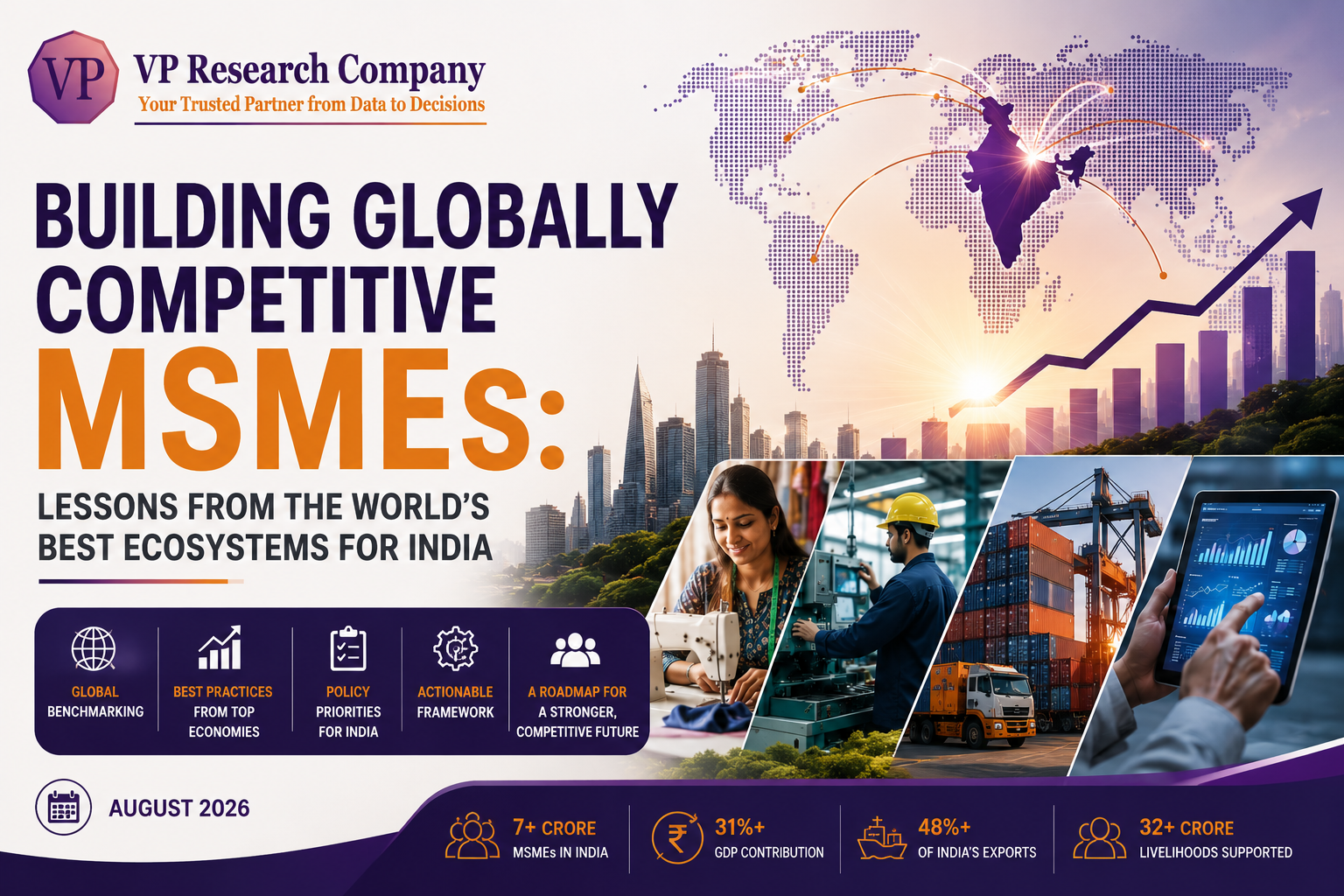
Building Globally Competitive MSMEs: Lessons from the World’s Best Ecosystems for India
India has more than 7 crore MSMEs. But how many are actually able to grow from micro to small, from small to medium and eventually compete globally? India’s MSMEs contribute around 31.1% of GDP, more than 48.5% of exports and approximately 35% of manufacturing output. The ecosystem supports an estimated 32.8 crore livelihoods. Yet nearly…
-
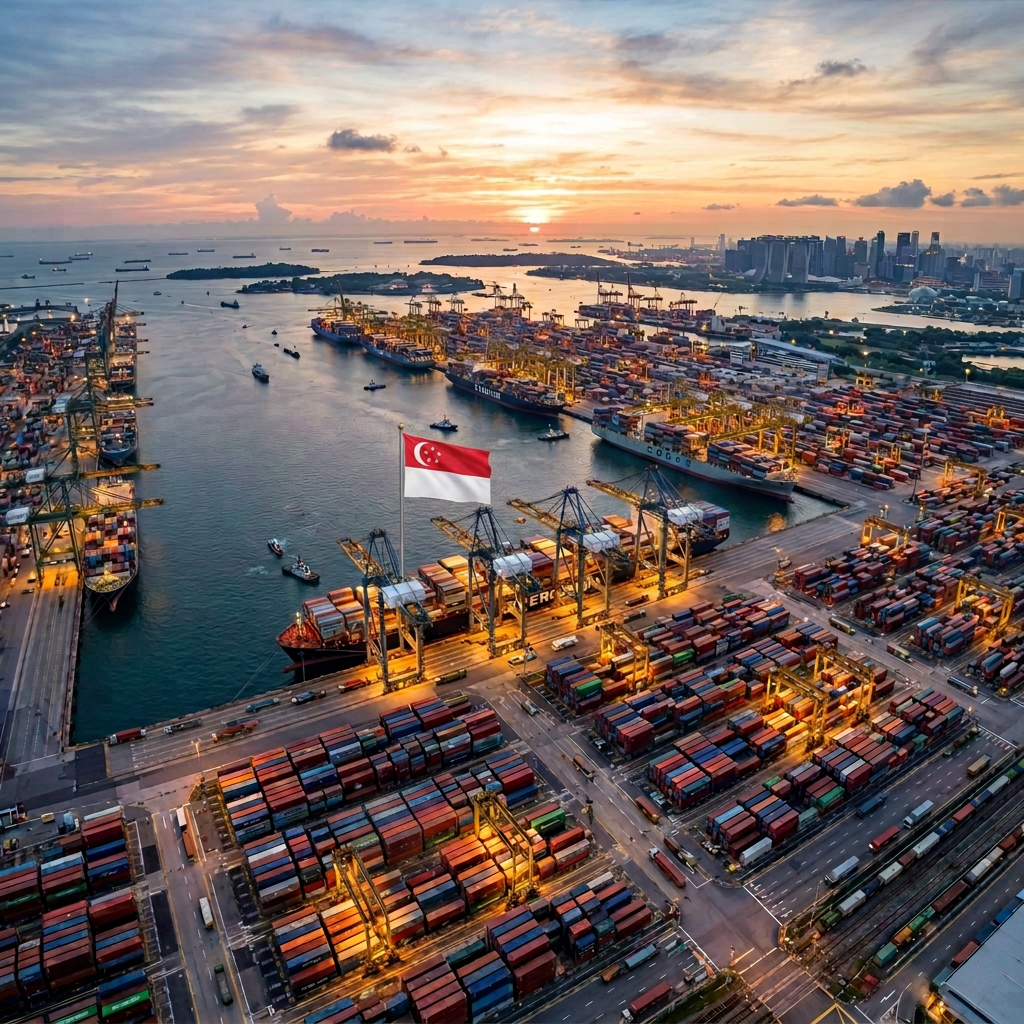
How Did Singapore Turn a Small Island into Powerful Trade Hub?
Singapore has little land, no large domestic market and few natural resources. Yet in 2025, merchandise worth nearly S$1.4 trillion moved through its economy. How did a country with such obvious constraints make itself indispensable to global trade? For an exporter, a border is not simply a geographical line. It is a collection of costs:…
-

From Import Dependence to the Pharmacy of the World: The Rise of India’s Pharmaceutical Industry (1947–2026)
India’s pharmaceutical industry has travelled a remarkable journey since independence. In 1947, the country depended heavily on imported medicines and foreign companies, with limited domestic manufacturing and research capacity. Over the decades, policy reforms, scientific institution-building, entrepreneurship and global integration transformed the sector. The 1970 Patents Act encouraged domestic process innovation, while the 1991 economic…
-
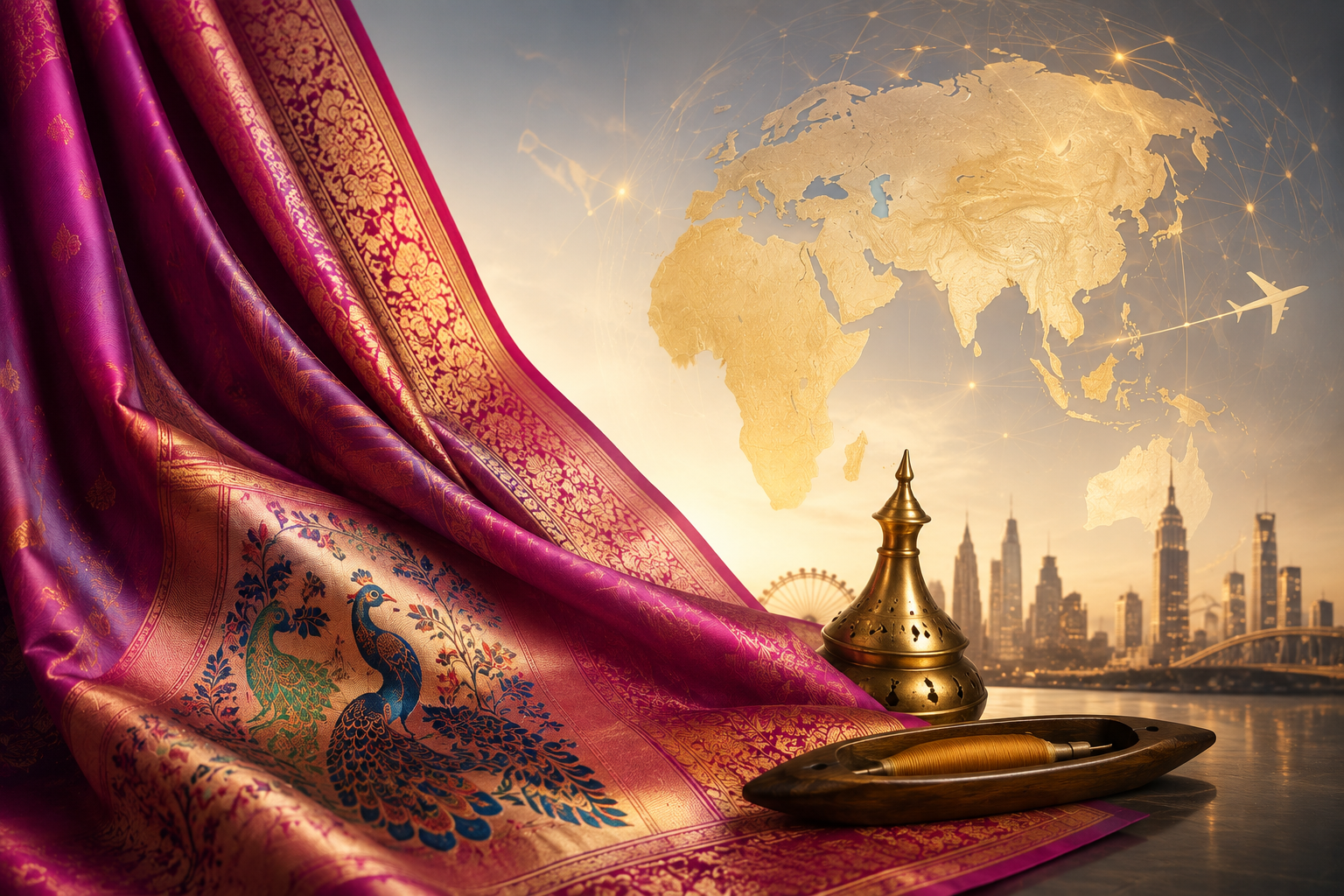
From Yeola to the World: Can Paithani Become India’s Next Global Luxury Textile?
A Paithani saree is more than a piece of clothing. It is a story woven into silk and zari. Known for its vibrant colours, intricate borders and traditional motifs such as peacocks, parrots, lotuses and flowers, Paithani is one of Maharashtra’s most distinctive handwoven traditions. The craft is closely associated with Paithan, while Yeola has…
-

Leading Automobile Companies in India: Market Research
India’s automobile companies have grown strongly over the last five years. But are they becoming financially stronger or simply bigger? Between FY2021 and FY2025, India’s automobile industry moved through pandemic disruption, supply-chain pressures, demand recovery, premiumisation and the accelerating transition towards electric mobility. The results, however, have not been uniform. Some companies converted growth into…
-
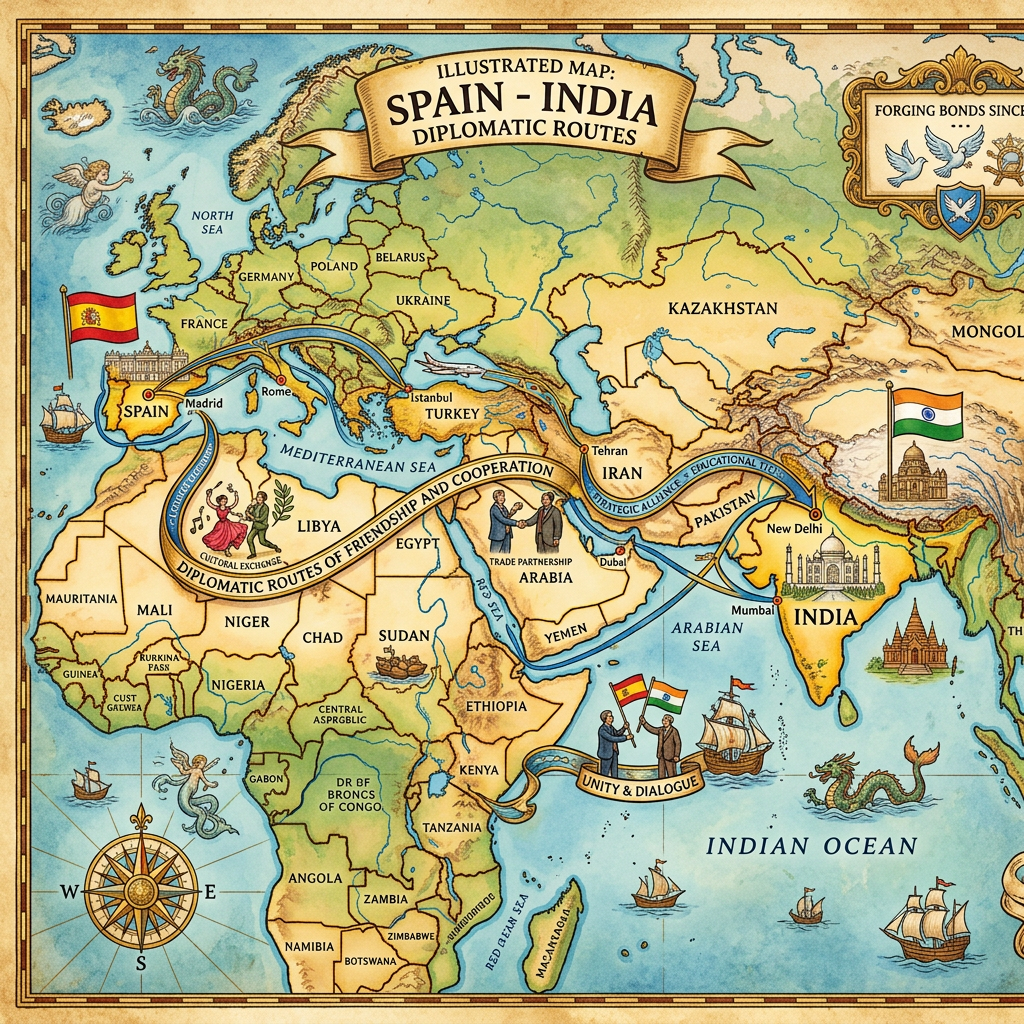
70 years of Evolving Partnership between India and Spain
Spain and India are separated by more than seven thousand kilometers, yet in recent years their governments have worked to close that gap by continuously improving the political, economic and cultural ties. The two countries marked seventy years of formal diplomatic relations in 2026, which was not only celebrated by a ceremony but also by…
-

Is Your Salary Actually Building Your Financial Independence?
A regular salary can create financial comfort. But earning well, saving regularly and being financially independent are not necessarily the same thing. Consider a professionally successful woman. She receives a salary every month, manages household expenses, uses digital banking, maintains savings and may already have fixed deposits, insurance policies or investments. On paper, she appears…
-
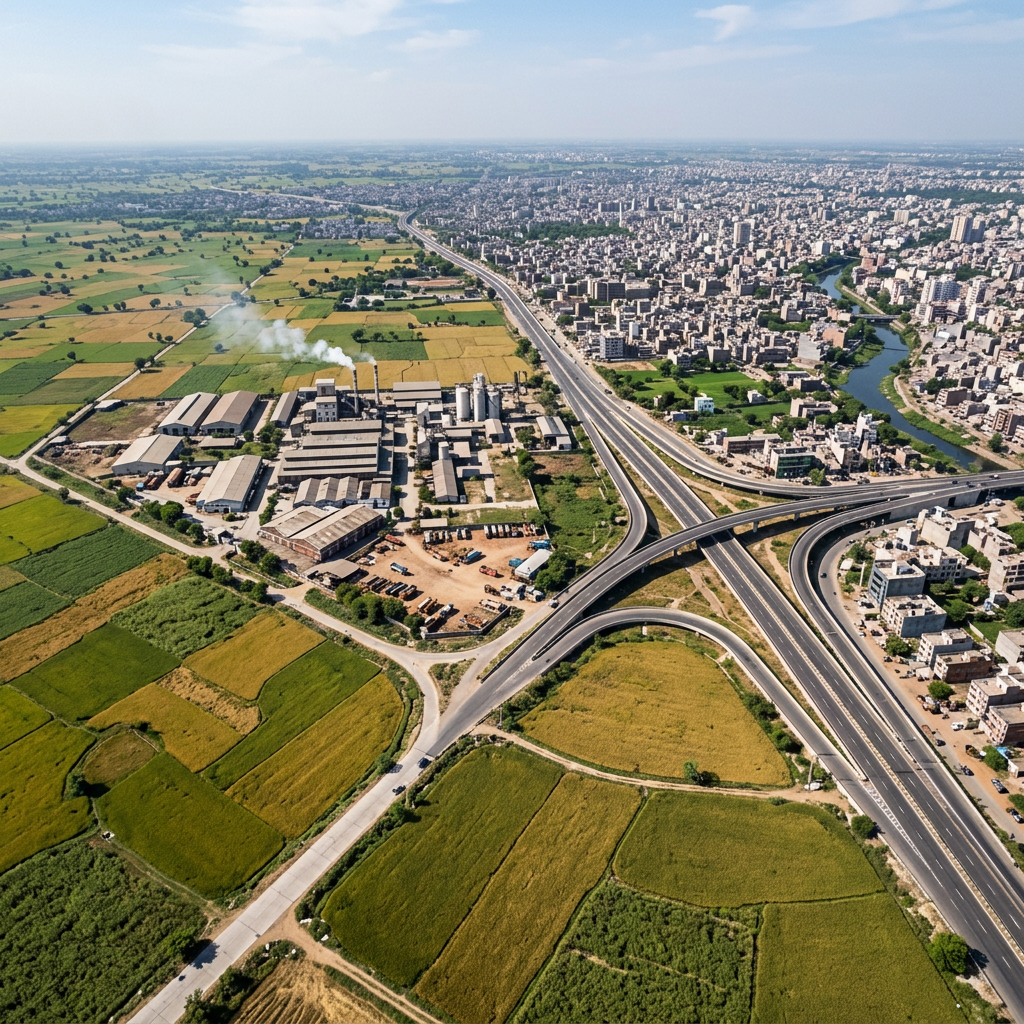
The Services Leapfrog and Missing Manufacturing Multiplier: India’s Structural Transformation, 1951–2025
Most economies that grow richer follow a fairly well-worn script. Workers leave low-paying farms, move into factories that make the country’s exports, and only once wages and skills have risen far enough does the workforce shift again, this time into offices, shops and hospitals. Britain took this route over a century. Japan did it faster.…
-

What Young Indian Entrepreneurs Need to Grow for Startup-to-Scale-Up Gap?
India now has over 2.4 lakh DPIIT-recognised startups, a number that keeps climbing every year. By the government’s own count, about 3.2 percent of recognised startups, roughly 6,789 of 2,12,283, were categorised as closed (dissolved or struck off) as of January 31, 2026. Independent trackers had, until recently, described a far more turbulent sector. Tracxn…