
July 2026
-

The HNDL Gambit: “Harvest Now, Decrypt Later” and the Quantum Arms Race
Cybersecurity has historically operated on a fundamental assumption: breach detection and incident response are oriented around the moment of compromise. When an adversary breaches a perimeter, security operations centres rely on integrity check failures, anomalous lateral movement, or unauthorised access logs to trigger an alert. The “Harvest Now, Decrypt Later” (HNDL) strategy systematically dismantles this…
-

Why Female Labour Force Participation is Key to India’s Demographic Dividend
India is entering a phase that economists call the “demographic dividend“, a period when a large share of its population is of working age. On paper, this gives India a rare chance to grow faster and lift millions out of poverty. But this chance does not arrive automatically. It depends on whether the country can…
-

India’s Demographic Dividend: Opportunity or Missed Opportunity?
India stands at a critical demographic point. It has become the world’s largest populous country, having one of the most working-age population in the world. Which gives the nation opportunity for economic transformation. Economists describe this phase as demographic dividend, a period during maximum population is working age than the dependent population which creates accelerating…
-
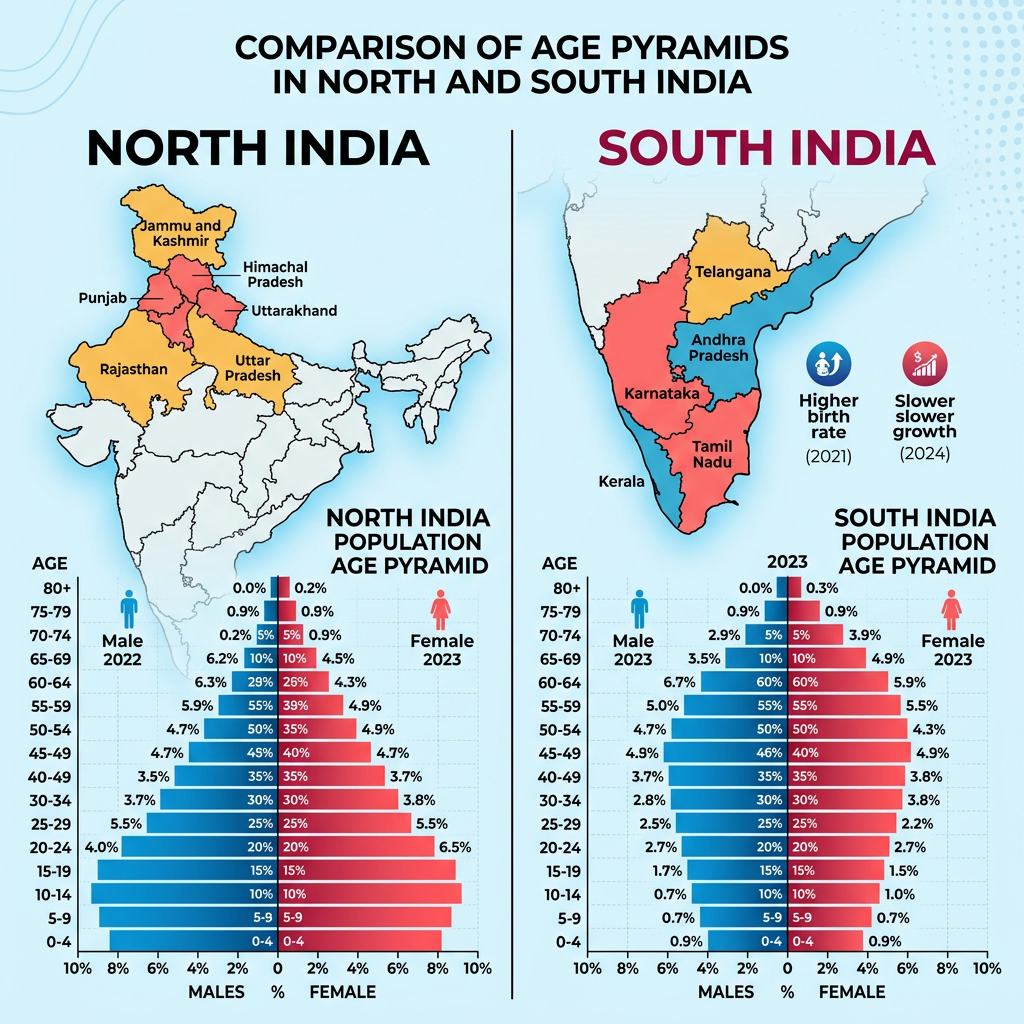
Demographic Dividend or Trap: Why Are India’s States Heading in Different Directions?
In 1962, South Korea launched its first national family planning programme. Its Total Fertility Rate (TFR) at the time was 6.3. Over the next two decades, the government paired declining fertility with compulsory primary education, targeted public health investment, and a deliberate push to bring women into the formal workforce. By 1985, the TFR had…
-

Role of Defence Industrial Corridors in Bridging National Security and Economic Growth
India’s defence sector has, over the past decade, moved from being viewed primarily through a strategic or security lens to becoming an increasingly visible component of the country’s industrial and regional economic policy. The two dedicated Defence Industrial Corridors (DICs) one in Uttar Pradesh with six nodes and the other in Tamil Nadu with five…
-
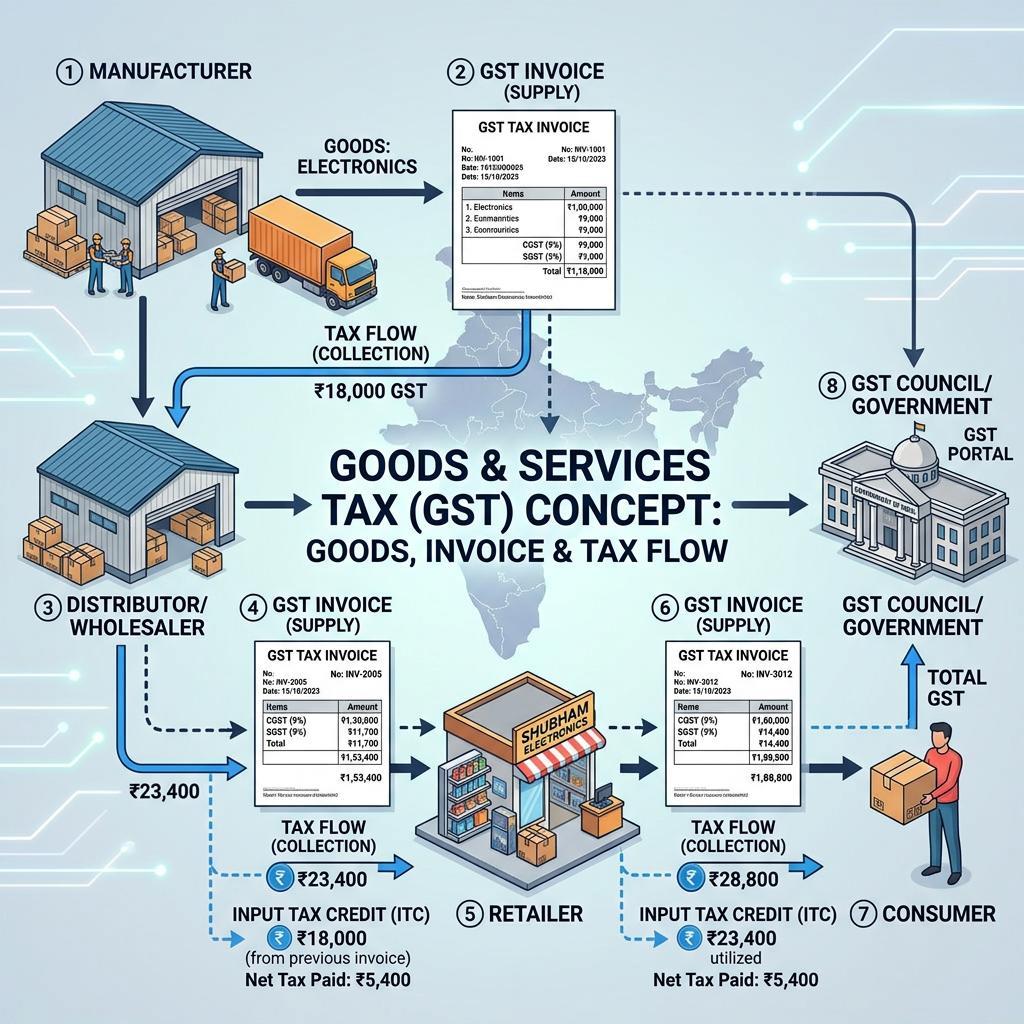
The Price of ‘One Nation: One Tax’: India’s GST Against the World
Every time you buy a phone recharge, eat at a restaurant, or pick up a bottle of shampoo, a part of that price goes into a system not many people think about. In India, that part is GST. In Singapore, it is also called GST. In Germany, it is VAT. In the United States, it…
-

How Preventive Healthcare Reduces National Healthcare Costs
Why prevention is becoming one of the highest-return public investments for countries facing rising healthcare costs, ageing populations and lifestyle diseases. Healthcare systems become expensive when they intervene too late. Around the world, non-communicable diseases such as cardiovascular disease, diabetes, cancer and chronic respiratory illness now account for 75% of non-pandemic-related deaths. Many of these…
-
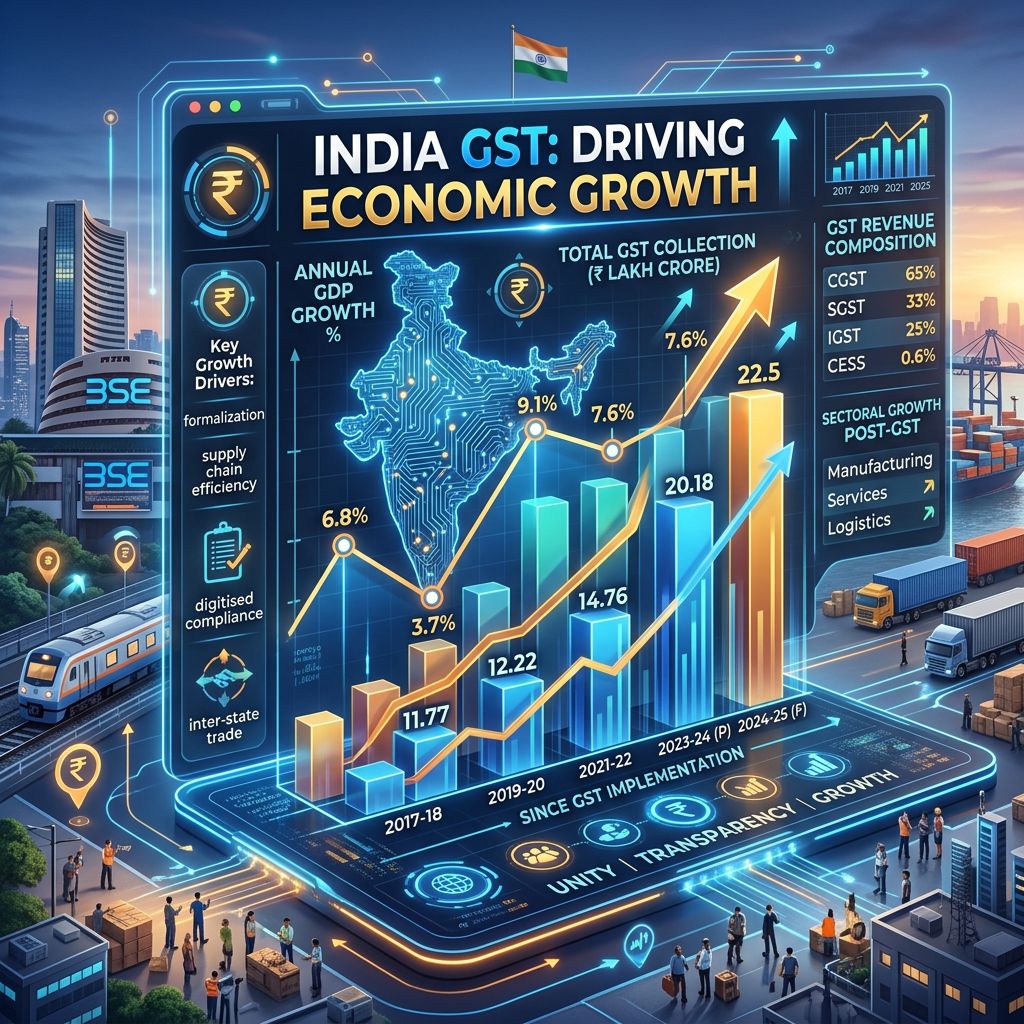
9 years of evidence on India’s economic transformation through GST
When the Goods and Services Tax (GST) was introduced in July 2017, it was not merely a tax reform. It was an attempt to reorganise India’s economic architecture. The reform aimed to replace multiple indirect taxes with a unified tax system, reduce cascading, create a common national market, improve transparency, and strengthen Centre–State fiscal coordination.…