
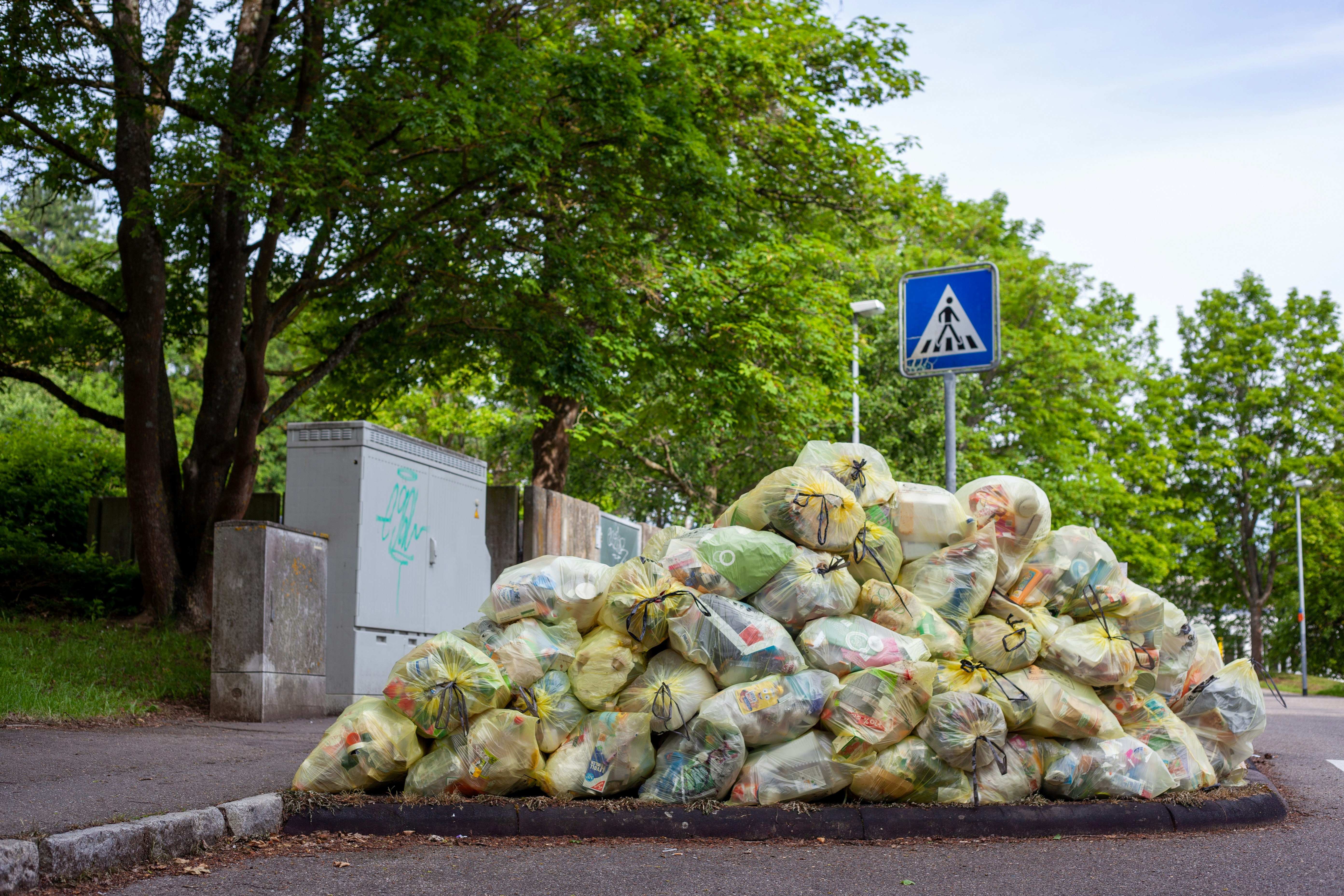
Every day, food is thrown away while millions of people struggle to eat enough. This contradiction sits at the heart of today’s global food system. Farms, factories, supermarkets, and households together produce more than enough food to feed the world, yet large amounts of it never reach a plate. Recognising the scale and impact of this problem.
The United Nations placed food waste reduction at the centre of Sustainable Development Goal (SDG) 12, which focuses on responsible production and consumption. Its Target aims to cut food waste at the retail and household level by half and reduce losses throughout supply chains by 2030.
Reaching this goal would ease pressure on the climate, improve food security, and save money for families and businesses alike. If we take a look at the numbers they are concerning. According to recent UN estimates, around 1.05 billion tonnes of food were wasted globally in 2024, equivalent to nearly one-fifth of all food produced that year.
Put differently, more than a billion meals’ worth of food were discarded every single day. Most of this waste comes from households, which account for roughly 60%, while restaurants, catering, and retail make up much of the remainder Throwing food away also means wasting everything that went into producing it.
Land, water, fertiliser, fuel, and labour are all lost, and additional emissions are created when food decomposes in landfills. Taken together, food waste is responsible for around 8–10% of global greenhouse-gas emissions, and its economic cost runs into hundreds of billions of US dollars each year
If losses earlier in the supply chain are included such as crops damaged at harvest or spoiled during storage and transport the picture becomes even more troubling. Long-standing FAO assessments suggest that close to one-third of food produced globally never gets eaten. This shows that inefficiency is not limited to one stage of the system; it is built into the way food is grown, moved, sold, and consumed.
SDG 12 is about using resources wisely and reducing unnecessary harm. Food systems are especially resource-intensive, so preventing waste delivers benefits quickly. Saving food means fewer emissions, less pressure to clear land for agriculture, and more food available without increasing production.
For this reason, progress is often described as a high-impact, low-cost way to advance both climate and development goals at the same time Food does not disappear for a single reason, and the causes vary depending on where you look.
Early-stage losses often happen during harvesting, storage, and transport. Poor roads, limited cold storage, pests, and inefficient processing lead to spoilage, particularly for fresh and perishable foods. These challenges are most severe in low- and middle-income countries, where farmers and traders often lack access to reliable infrastructure
Later-stage waste tends to occur in shops, restaurants, and homes. Unsold products, strict cosmetic standards for produce, large portion sizes, confusing date labels, and everyday habits like overbuying or forgetting leftovers all contribute. Recent UN data confirms that households and food services together are now the biggest sources of food waste worldwide
Importantly, food waste is not just a problem of wealthy societies. While the reasons differ, per-person waste occurs across income levels, and many middle-income countries are seeing waste increase as diets change and food systems modernise
The financial losses linked to wasted food are enormous. When production, processing, transport, and retail are all considered, global costs are estimated at hundreds of billions to nearly one trillion US dollars annually. The environmental cost is equally serious. Emissions from wasted food rival those of major industrial sectors, and the indirect impacts such as deforestation and water depletion further amplify the damage.
Cutting waste, therefore, is not only about efficiency; it is about protecting ecosystems and stabilising the climate. India illustrates how food waste looks different at the country level. With a large population and uneven infrastructure, losses occur both before and after food reaches consumers.
Studies suggest that households waste roughly 50–55 kilograms of food per person each year, adding up to around 68–78 million tonnes annually, depending on how waste is measured
At the same time, a significant share of losses happens after harvest. Limited cold storage, inadequate warehousing, and fragmented supply chains for small farmers result in large losses of fruits and vegetables. Reducing food waste in India therefore requires a mix of infrastructure investment and changes in how food is sold and consumed.
Experience shows that no single solution is enough. Progress comes from combining better systems with changes in behaviour.
- Measure the problem properly. Countries that track food waste systematically are better positioned to reduce it. The UNEP Food Waste Index offers a practical framework for measuring waste and monitoring progress toward SDG 12
- Fix weak links in supply chains. Cold storage, better transport, and improved on-farm storage can dramatically reduce spoilage. In some cases, simple and affordable technologies deliver large gains
- Use policy to change incentives. Clearer date labels, support for food donations, and requirements for separating organic waste can all shift behaviour. Some governments have also limited landfilling of organic waste to encourage prevention and recycling
- Rethink business practices. Retailers and restaurants can reduce waste by improving demand forecasting, discounting near-expiry items, selling “imperfect” produce, and redesigning portion sizes and menus
- Support households to waste less. Public awareness campaigns, better labelling, meal-planning tools, and education about food storage and leftovers can make a real difference, especially when combined with supportive policies and infrastructure
Several factors help successful initiatives scale:
- Shared data platforms, such as FAO’s food loss and waste databases, which allow countries to compare progress and learn from one another
- Partnerships between governments, businesses, and civil society to spread costs and share benefits
- Access to finance for farmers and small businesses to invest in storage and cooling technologies, particularly in developing economies
- Households can plan meals, store food correctly, understand date labels, use leftovers creatively, and compost where possible. Because households generate the largest share of consumer-level waste, small changes add up quickly
- Businesses can improve inventory management, adjust portion sizes, and ensure surplus food is redistributed rather than discarded often saving money in the process
- Policymakers can create enabling environments through clear rules, investment in infrastructure, support for food recovery networks, and easier reporting systems for businesses
Controlling food waste by 2030 is ambitious, but it is achievable. The tools for measuring progress already exist, and many solutions have been tested successfully. What is needed now is political commitment, targeted investment, and sustained public engagement to turn evidence into action
Reducing food waste is one of the clearest opportunities to make food systems fairer, cleaner, and more efficient. It helps feed more people, cuts emissions, and saves money at the same time. As the 2030 deadline for SDG 12 approaches, the challenge is no longer understanding what to do, but acting quickly and at scale. The solutions are known; the priority now is putting them into practice.
Author

Make Tatvita one of your preferred sources
See more insights from Tatvita Analysts in your Google Search results.


Leave a Reply