
January 2026
-

Why the Biologics Patent Cliff Is Failing to Cut Drug Costs?
Between 2025 and 2029, there is going to be a profound impact on the Pharmaceutical industry, catalysed by the Loss of Exclusivity. The loss of exclusivity signifies the expiration of the patents of biologics, causing a systemwide erosion of the market exclusivity held by several major pharmaceutical companies, resulting in a revenue contraction for these…
-

Why Land Degradation, Not Deforestation Alone, is the Real Bottleneck to SDG 15
Discussions around SDG 15 (Life on Land) are often dominated by forests and wildlife protection. While deforestation and biodiversity loss are critical, this emphasis obscures a more pervasive and economically consequential problem: land degradation. Globally, ecosystems are not only being cleared; they are being used in ways that steadily erode their productive capacity. For countries…
-
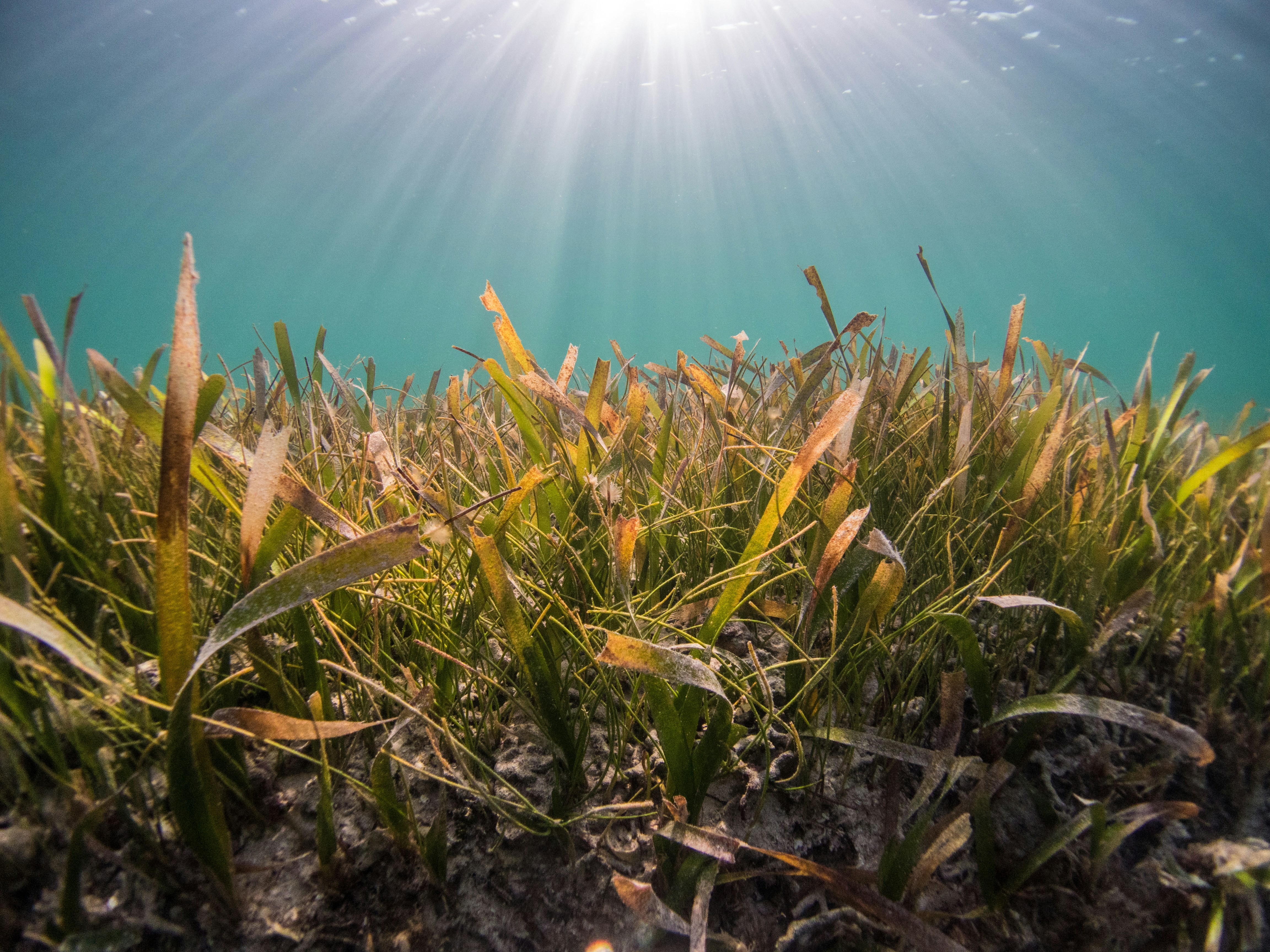
Indonesia’s Blue Carbon Strategy achieving SDG 14
Coastal degradation rarely announces itself through sudden collapse. It accumulates gradually through mangroves cleared for aquaculture, seagrass beds degraded by pollution, and coastlines that retreat incrementally each year. For Indonesia, an archipelagic nation where economic activity, livelihoods, and climate exposure are deeply tied to the sea, this slow erosion has become a structural development challenge.…
-

Can India scale AI while protecting employment?
India’s AI adoption trajectory is accelerating across services, manufacturing, and platform-based work. Firms are deploying automation to improve productivity, reduce costs, and remain globally competitive. However, India’s labour market, dominated by informality, low skill depth, and uneven sectoral transformation, raises a critical concern: will AI-led productivity gains translate into commensurate employment absorption? This article examines…
-

What do recent trends in Indian’s savings reveal?
India’s Household Savings Rate TO GDP has been declining over the past decade at a time when consumption is strong, credit is easily available and the value of household assets are elevated. The combination of these factors either represents a healthy and strong signal of building up of the domestic market or is creating rising…
-

Critical Minerals, Green Energy, and the Rise of Resource Nationalism 2.0
The global transition to clean energy is often framed as a cooperative effort to address climate change. Yet beneath the rhetoric of decarbonisation lies a far more contested reality. As demand surges for lithium, nickel, rare earths, and other critical minerals essential to batteries, electric vehicles, and renewable technologies, governments are reasserting control over natural…
-

How Norway Governs Its Marine Economy
Marine economies worldwide face a common dilemma: how to extract economic value from oceans today without undermining their productivity tomorrow. As overfishing, marine pollution, and climate pressures intensify, governments are being forced to rethink how fisheries and ocean resources are governed. This article examines how Norway governs its marine economy as a long-term economic asset,…
-

Impact of Electric Vehicles on Local Automotive MSMEs
Electric vehicles (EVs) are changing how the automobile industry works across the world. For consumers, the shift is often discussed in terms of lower emissions and fuel savings. For governments, it is framed as an industrial and climate opportunity. But for local automotive MSMEs in India, the EV transition is a far more practical and…
-

Hidden Costs of AI-Assisted Coding & Global Best Practices Response
Artificial intelligence has fundamentally altered the economics of software development. Large Language Models embedded into coding environments now generate working code at a pace that would have been inconceivable just a few years ago. For firms facing competitive pressure, talent shortages, and compressed delivery timelines, AI-assisted coding appears to offer an almost frictionless productivity upgrade.…
-
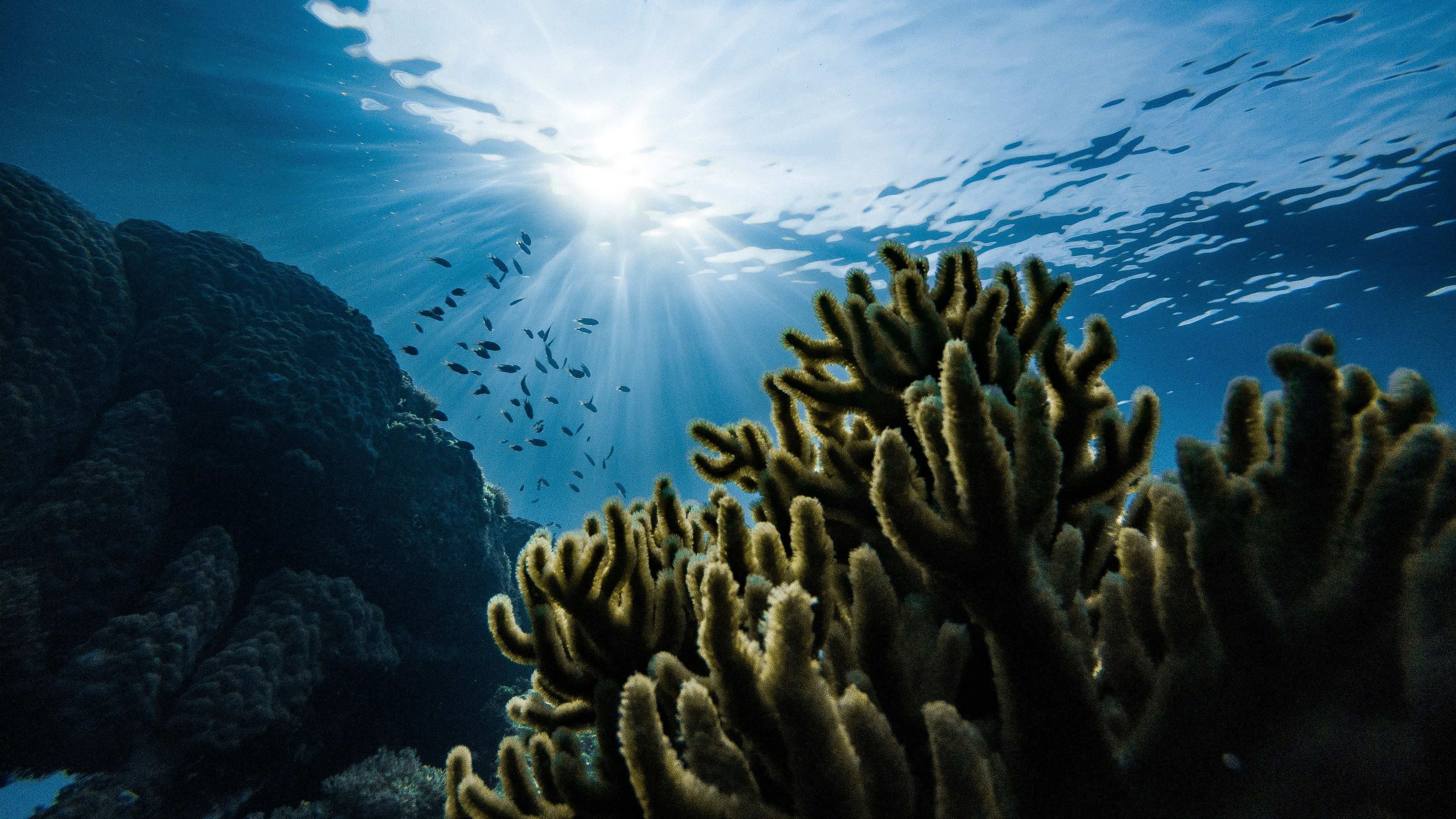
SDG 14 and Rethinking Oceans in the Global Economy
When the United Nations adopted the Sustainable Development Goals (SDGs) in 2015, the framework aimed to reconcile economic development with planetary boundaries. Among these goals, SDG 14: Life Below Water occupies a structurally different position. Unlike goals centred on poverty, health, or education, SDG 14 addresses the ecological foundations upon which human welfare depends but…