Supply chain management & SDG 9: Tatvita Analysts

Strategic Lessons of Logistics and Supply Chain Management for Businesses & SDG 9

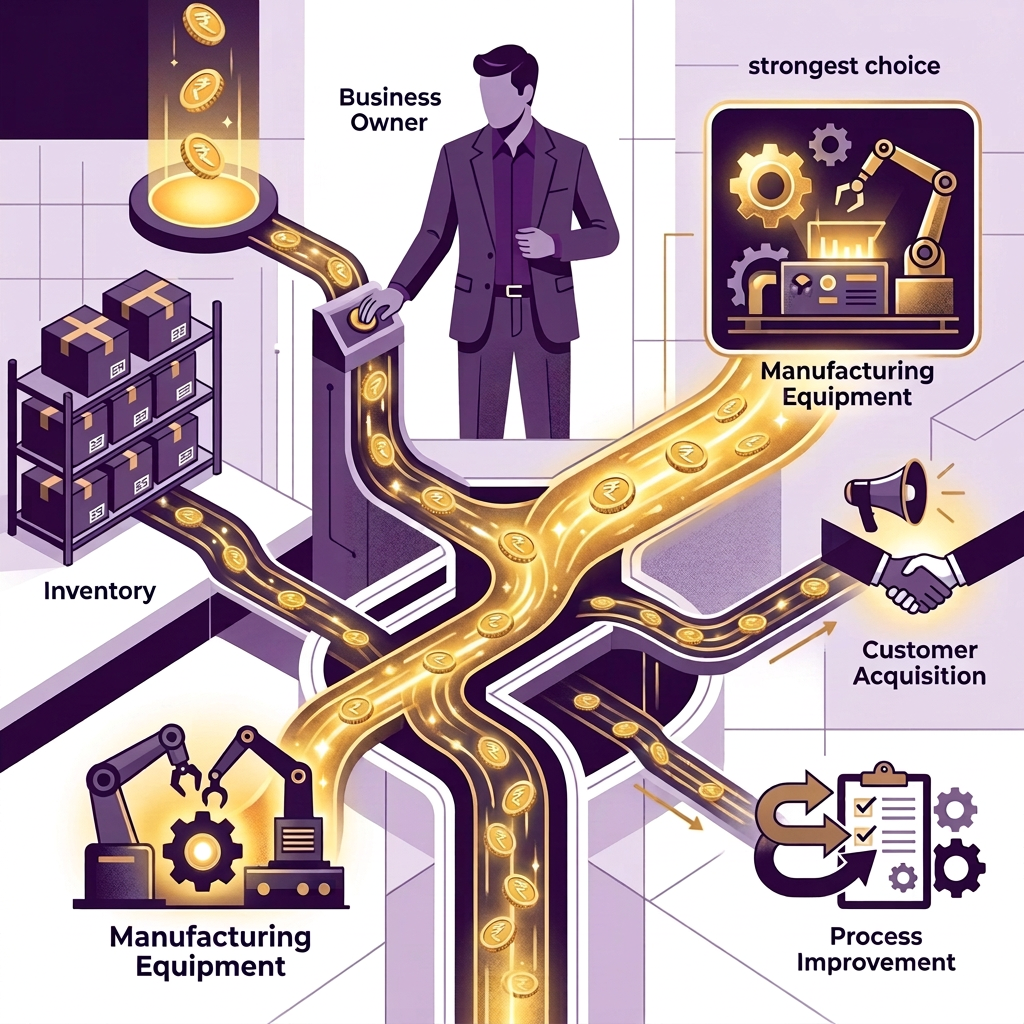
Sustainable Development Goal 9 (SDG 9) emphasizes the creation of resilient infrastructure, inclusive and sustainable industrialization, and the promotion of innovation. In today’s global economy, logistics and supply chain management (SCM) are critical enablers of these objectives. They influence production efficiency, cost structures, competitiveness, and the overall ability of firms to adapt to market and environmental disruptions. Efficient supply chains ensure that raw materials, components, and finished products flow seamlessly, enabling businesses to meet demand, reduce operational costs, and maintain service quality.

This article examines the importance of logistics and SCM, their direct impact on the cost of production, analyzes multiple case studies of global companies, and distills lessons for businesses seeking to optimize their supply chains in line with SDG 9.

Understanding Logistics and Supply Chain Management

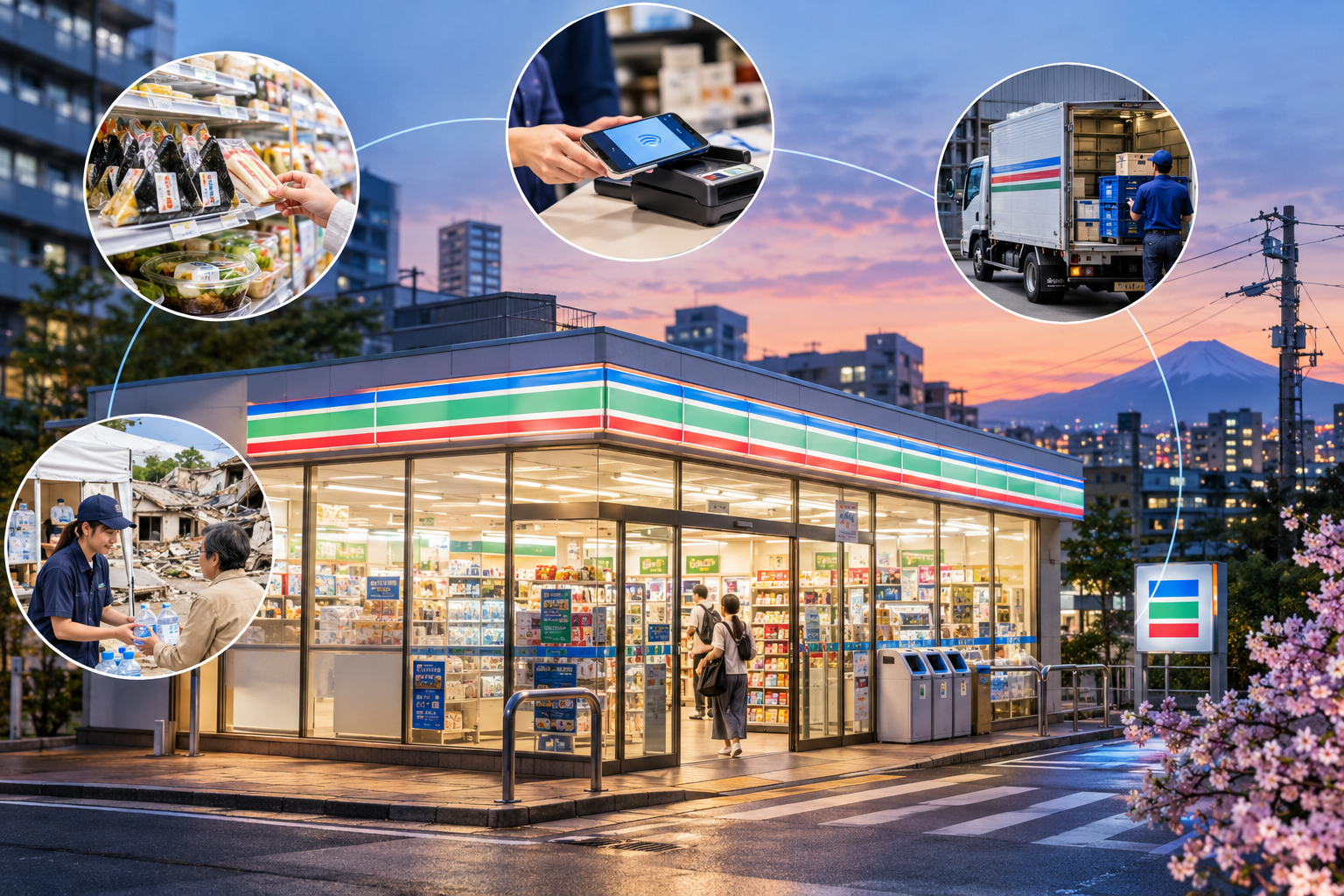
Logistics involves the coordination of goods, services, and information from the point of origin to consumption. Key components include transportation, warehousing, inventory management, and order fulfillment.

Supply Chain Management (SCM) is a broader concept that integrates logistics with procurement, production, demand forecasting, and distribution. SCM aims to optimize the entire flow of materials, information, and finances to reduce costs, increase efficiency, and improve customer satisfaction.

In an SDG 9 context, SCM is essential not just for operational efficiency but for building resilient and sustainable industrial systems. By minimizing waste, enhancing process efficiency, and promoting innovation, SCM supports both business competitiveness and environmental sustainability.

Impact on Cost of Production

Logistics and SCM directly affect the cost of production, which encompasses raw material procurement, manufacturing processes, storage, and distribution. Efficient SCM reduces costs through inventory optimization, transportation efficiency, supplier management, and technological integration. Inefficient supply chains, on the other hand, increase production costs, delay deliveries, and erode competitiveness.

1. Inventory Management and Holding Costs

Inventory constitutes a substantial portion of a company’s working capital, often ranging from 20–30% of total assets in manufacturing firms. Efficient inventory management reduces holding costs, minimizes wastage, and prevents stockouts.

  • Toyota (Japan): Toyota’s Just-In-Time (JIT) system reduces excess inventory by receiving parts only when needed. This minimizes storage costs, reduces obsolescence, and contributes to up to 30% savings in inventory-related expenses, enabling competitive vehicle pricing globally.
  • Dell Technologies (USA): Dell’s build-to-order production minimizes inventory costs and mitigates risks associated with obsolete parts. The company reported savings of USD 50 million annually in inventory costs during the early 2000s.
  • Zara (Spain): Zara integrates JIT inventory with rapid distribution from centralized hubs, ensuring stores receive new products within 2–3 weeks. This reduces unsold inventory and lowers associated holding costs.

2. Transportation and Distribution Optimization

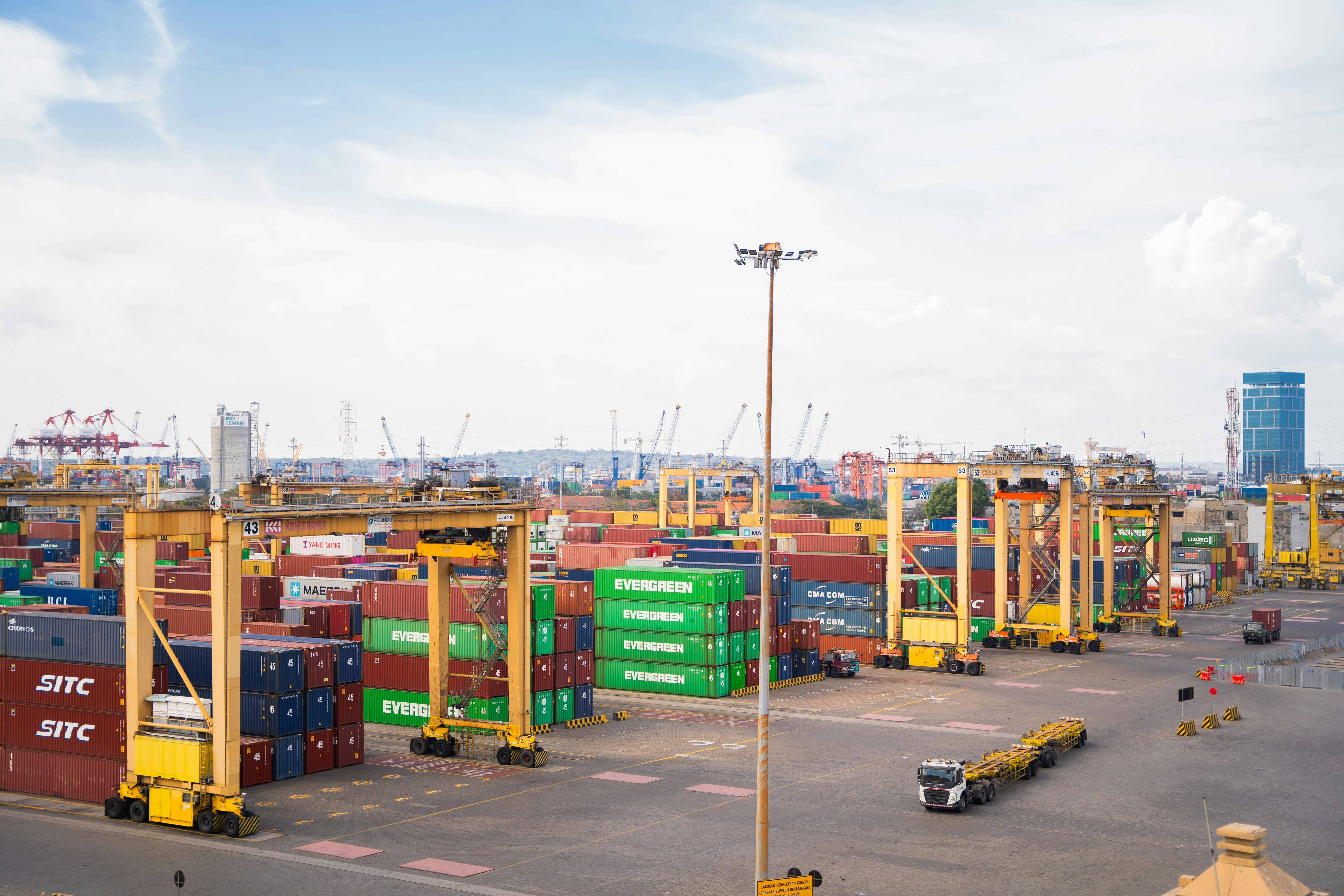
Transportation accounts for 10–20% of production costs in global manufacturing. Optimizing transportation routes, modes, and scheduling reduces fuel costs, freight charges, and lead times.

  • Amazon (USA): Amazon uses AI-driven logistics to optimize delivery routes and warehouse allocation, reducing transportation costs by 10–15% per shipment. This has resulted in millions of dollars in annual savings while improving delivery speed.
  • Coca-Cola (Global): Coca-Cola centralized distribution centers and employed route optimization software, reducing distribution costs in the US by 5%, which directly lowers the overall cost of beverage production.
  • FedEx (Global): FedEx invests in route planning algorithms and freight consolidation to reduce operational costs. By minimizing empty truck miles, the company saved approximately USD 200 million annually globally.

3. Supplier Coordination and Strategic Sourcing

Supplier relationships are crucial in controlling raw material costs and ensuring uninterrupted production.

  • Apple Inc. (USA): Apple engages in long-term contracts and strategic partnerships with suppliers of critical components like semiconductors and display panels. These arrangements stabilize costs, ensure timely delivery, and maintain production quality.
  • Nestlé (Switzerland): Nestlé collaborates with local suppliers to secure sustainable, cost-effective raw materials. This strategy minimizes procurement risks and reduces input costs, particularly for perishable goods such as dairy and coffee.
  • Samsung Electronics (South Korea): Samsung uses dual-sourcing strategies for high-demand components, reducing the risk of supply disruptions and limiting cost spikes in electronics production.

4. Technology-Driven Supply Chain Efficiencies

Technologies such as IoT, AI, robotics, ERP systems, and predictive analytics enhance supply chain visibility, reduce downtime, and optimize resource allocation.

  • Siemens (Germany): Siemens implements digital twin technology to simulate production processes and preempt bottlenecks, reducing machine downtime by 15–20% and lowering production costs.
  • Walmart (USA): Walmart uses RFID tracking and real-time inventory systems to avoid stockouts and overstock. This approach saves USD 2 billion annually, demonstrating the cost advantage of digital supply chain management.
  • Unilever (Global): AI-powered demand forecasting enables Unilever to align production with actual market demand, reducing raw material waste and cutting operational costs by 7–10% in emerging markets.

5. Risk Management and Cost Avoidance

Disruptions from natural disasters, geopolitical issues, or pandemics can drastically increase production costs. Companies investing in resilient supply chain strategies minimize such financial risks.

  • Toyota (Japan, post-2011 Tsunami): The earthquake disrupted global supply chains, causing USD 2 billion in production losses. Toyota responded by diversifying suppliers and mapping multi-tier supply networks, mitigating future risk and reducing potential costs.
  • Procter & Gamble (P&G, USA): P&G’s supply chain risk analytics allowed proactive rerouting of logistics during the COVID-19 pandemic, avoiding USD 150 million in potential production losses.
  • Boeing (USA): Boeing’s investment in multi-site production and supplier diversification mitigates risks associated with single-source supply chains, preventing costly production halts.

Global Case Studies: Lessons in Supply Chain Management

1. Amazon – E-Commerce Logistics Leader

Amazon’s logistics strategy is centered on efficiency, speed, and data-driven optimization. By using AI for route optimization and predictive inventory placement, Amazon reduces transportation costs and ensures rapid order fulfillment. Other firms can learn the value of integrating technology for real-time decision-making and operational efficiency.

2. Zara – Fast Fashion Supply Chain

Zara’s success lies in its responsive supply chain. Centralized distribution, frequent deliveries, and JIT inventory allow Zara to respond quickly to fashion trends while minimizing holding costs. Lessons include the importance of agility, visibility, and alignment between production and demand.

3. Unilever – Sustainable Supply Chains

Unilever integrates sustainability into SCM, reducing environmental footprint while cutting costs. The company’s focus on energy efficiency, waste reduction, and sustainable sourcing demonstrates that profitability and sustainability can coexist. Businesses can adopt similar strategies to reduce costs and align with SDG goals.

4. Toyota – Resilient Manufacturing

Toyota’s JIT system and supplier mapping ensure cost-efficient production while mitigating risks. The lesson for firms is that process efficiency and risk awareness are essential for resilient and cost-effective supply chains.

5. Walmart – Technology-Driven Inventory

Walmart leverages real-time inventory and logistics technologies to manage millions of SKUs globally. Firms can learn the critical role of data in forecasting demand, reducing excess production, and avoiding supply shortages.

6. Coca-Cola – Centralized Distribution and Route Optimization

Coca-Cola’s logistics efficiency demonstrates the impact of transportation optimization on production costs. Companies can adopt centralized hubs, route optimization, and fleet management systems to save costs and maintain product availability.

Key Lessons for Businesses

  1. Adopt Advanced Technology – AI, IoT, and predictive analytics improve visibility, efficiency, and cost-effectiveness.
  2. Optimize Inventory and Transportation – Implementing JIT, route optimization, and centralized logistics reduces overhead.
  3. Strengthen Supplier Relationships – Collaborative partnerships and diversified sourcing stabilize costs.
  4. Incorporate Risk Management – Anticipating disruptions and planning contingencies minimize cost impacts.
  5. Align SCM with Sustainability – Eco-friendly sourcing, energy efficiency, and waste reduction reduce long-term costs and support SDG objectives.

Relevance to SDG 9

Efficient logistics and supply chain management directly contribute to SDG 9 by:

  • Building resilient infrastructure – Robust supply chains ensure continuous production and distribution even under stress.
  • Promoting inclusive and sustainable industrialization – SCM optimization lowers costs, increases accessibility, and supports economic growth.
  • Fostering innovation – Advanced SCM technologies drive process innovation, real-time decision-making, and resource optimization.

Businesses that integrate SCM strategies not only reduce production costs but also enhance their competitiveness and contribute to global sustainability and development goals.

Conclusion

Logistics and supply chain management are more than operational functions—they are strategic enablers of cost efficiency, resilience, and sustainability. Global case studies, from Toyota and Amazon to Zara and Unilever, demonstrate how effective SCM reduces production costs, mitigates risks, and drives competitive advantage.

For businesses seeking to thrive in today’s complex and climate-sensitive environment, investing in efficient, technology-driven, and sustainable supply chains is critical. These practices not only improve profitability but also align with SDG 9 by fostering resilient infrastructure, sustainable industrial growth, and innovation.

Ultimately, firms that master supply chain management gain both financial and strategic resilience, ensuring long-term success while contributing to a sustainable and inclusive global economy.

Author

Leave a Reply

This site uses Akismet to reduce spam. Learn how your comment data is processed.

← Back

Thank you for your response. ✨

Discover more from Tatvita Analysts

Subscribe now to keep reading and get access to the full archive.

Continue reading