
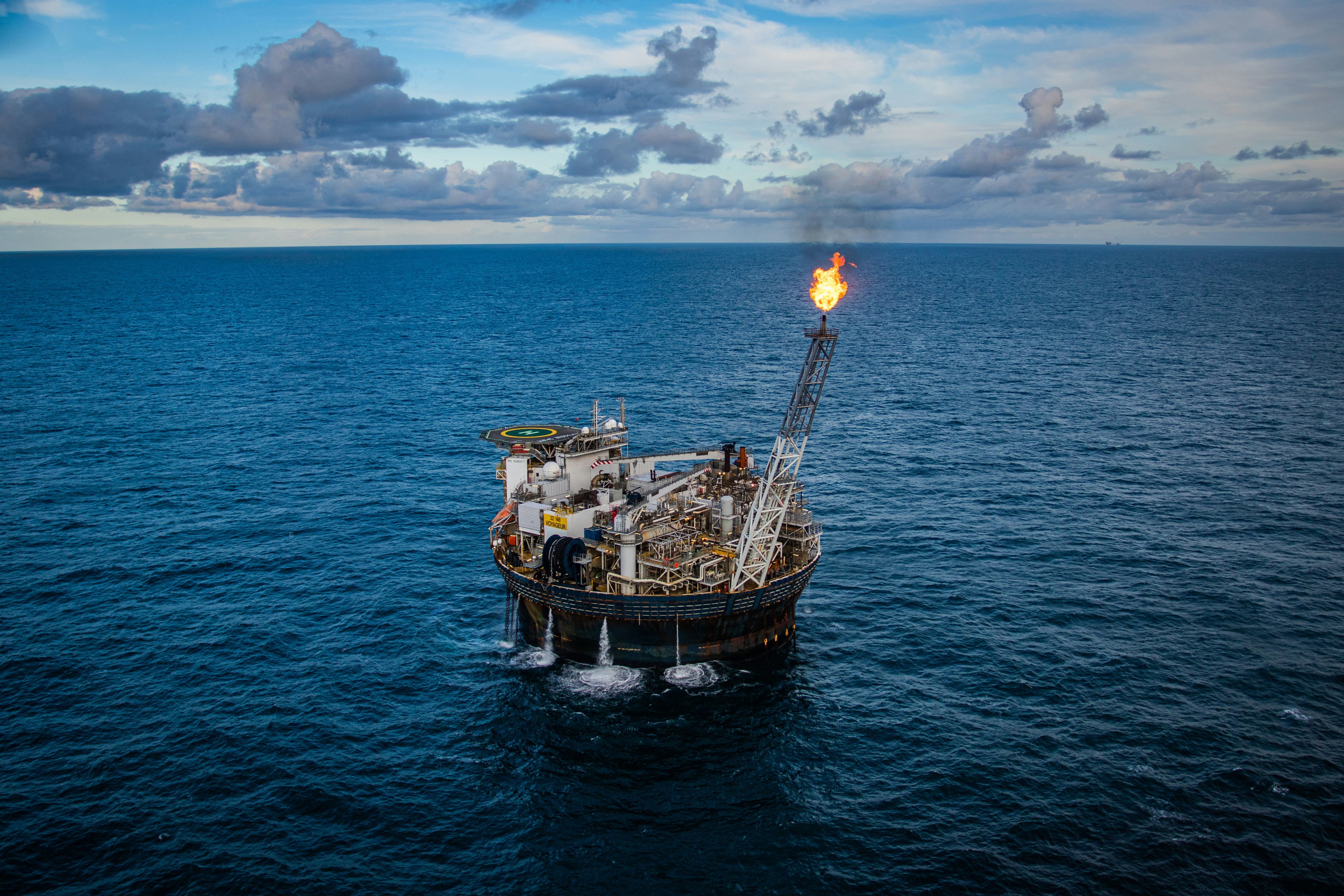
Oil trades consistently make global headlines because oil is not just a commodity—it is a geopolitical, economic, and strategic asset. Its trade and pricing influence nearly every aspect of modern life, from transportation and manufacturing to inflation and foreign policy.
As a policy professional, you will frequently encounter global and national headlines centered around oil—whether it’s a price spike, a decision by OPEC, or a geopolitical event disrupting supply chains. These headlines are not just media stories—they signal developments that have significant implications for economic planning, fiscal stability, foreign relations, infrastructure management, and energy security.
This article explains why oil trade continues to dominate global news and why understanding its dynamics is essential for those involved in the business of governance and public policy.
1. Oil Prices Directly Impact the Economy You Help Shape: Crude oil is the world’s most traded commodity and a foundational input for multiple sectors. Fluctuations in oil prices influence:
- Transport and logistics costs
- Electricity generation (in oil-dependent areas)
- Fuel subsidies and public welfare budgets
- Inflation, interest rates, and monetary policy
Policy relevance: A sharp rise in oil prices may require adjustments to budget allocations, fuel subsidy programs, and inflation management strategies—making energy price tracking vital for economic teams.
2. Oil Is a Strategic Resource, Not Just a Commodity: Oil is treated globally as a strategic asset essential for national security. This is why many countries, including India, maintain Strategic Petroleum Reserves (SPR) and prioritize oil supply continuity in bilateral relations and defense planning.
Policy relevance: Policy professionals involved in strategic planning, disaster preparedness, or international cooperation may work on oil-related emergency measures or long-term procurement agreements.
3. Geopolitical Conflicts Directly Affect Oil Trade: Many of the world’s key oil trade routes run through politically sensitive or conflict-prone regions:
- Strait of Hormuz (Middle East to Asia)
- Red Sea and Suez Canal (Middle East to Europe)
- Russia–Ukraine conflict zone
Disruptions in any of these corridors can create price volatility, supply shortages, or fiscal stress in importing countries.
Policy relevance: Professionals in foreign affairs, trade, and national security must stay attuned to oil-related geopolitical developments when shaping responses to global crises.
4. Oil Revenues and Imports Affect National Budgets: Oil-exporting countries often rely on petroleum for a significant share of government revenue. For oil-importing economies, high oil prices increase the trade deficit, weaken the local currency, and strain fiscal planning.
Policy relevance: Officers in finance, commerce, or energy ministries will be directly involved in adjusting policies when faced with volatile oil prices and their effects on public spending, currency management, and macroeconomic indicators.
5. Oil Is a Financialized Commodity: Oil prices are not set solely by physical supply and demand. They are heavily influenced by global futures markets, trading sentiment, inventory data, and speculation. These dynamics move oil prices daily on exchanges like NYMEX, ICE, and MCX.
Policy relevance: Policy professionals monitoring inflation, financial markets, or commodities must be able to interpret oil price trends in both physical and derivative markets.
6. OPEC and Producer Decisions Drive Market Sentiment: The Organization of Petroleum Exporting Countries (OPEC) and extended alliances such as OPEC+ make production decisions that ripple through global markets. These decisions are based not only on economics but also diplomacy, market share, and internal politics.
Policy relevance: Professionals involved in global economic monitoring or multilateral engagements must follow OPEC policy closely, as it affects everything from inflation forecasts to bilateral relations.
7. Energy Transition Is Changing the Oil Trade Narrative: While oil is still dominant today, countries are transitioning toward renewables, electric vehicles (EVs), and green hydrogen. This shift impacts long-term demand for oil and raises questions about the future viability of fossil fuel infrastructure.
Policy relevance: Whether you’re working on infrastructure, climate policy, or industrial strategy, balancing energy transition goals with current oil dependency is a core policy challenge.
8. Oil Prices Shape Public Sentiment and Political Risk: Fuel prices are one of the most visible economic variables for citizens. Sudden increases in petrol or diesel prices often lead to public discontent, protests, or demands for subsidies. Managing this involves both administrative capacity and communication strategy.
Policy relevance: Policy professionals must often respond to public pressure through timely briefings, targeted subsidies, or price stabilization mechanisms.
What Policy Professionals Should Watch
As a policy professional, you’re not only a steward of procedures—you’re a decision-maker influencing how governments adapt to global forces. Oil is not just an energy issue; it is a macroeconomic, strategic, and geopolitical issue.
Being informed about oil trade helps you:
- Anticipate fiscal and trade implications
- Contribute to resilient energy policies
- Respond to public and media scrutiny
- Design long-term strategies for transition and sustainability
Oil trade dominates headlines because it sits at the intersection of economics, diplomacy, and public welfare. For policy professionals, understanding this ecosystem is no longer optional—it’s foundational to effective governance.
Author

Make Tatvita one of your preferred sources
See more insights from Tatvita Analysts in your Google Search results.


Leave a Reply