
Policy Research
-

How China Built an “Energy Fortress”
As tensions simmer across the Middle East and the vulnerability of the Strait of Hormuz looms large over global energy markets, much of the world watches with a sense of unease. Nearly a third of global liquefied natural gas (LNG) trade flows through this narrow maritime corridor, making it one of the most critical chokepoints…
-
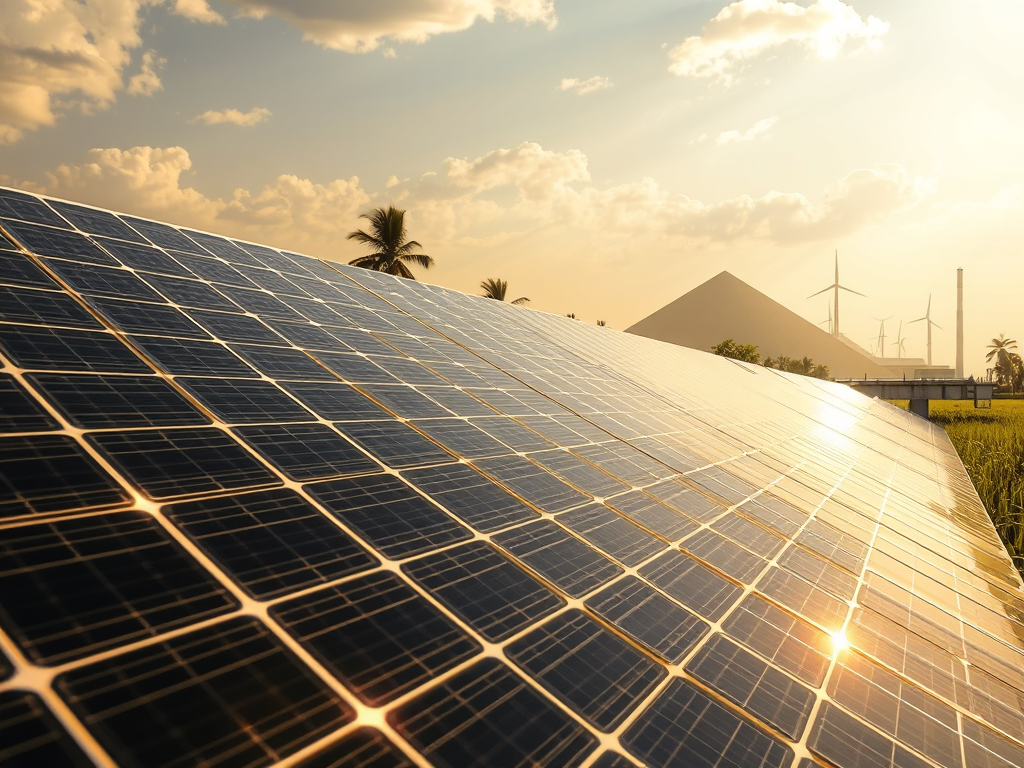
India’s Solar Supply Chain Challenge
India is currently undertaking one of the fastest renewable energy expansions in the world. By December 2025, the country had installed 258 GW of renewable energy capacity, with solar accounting for over 53% of the total renewable mix. The milestone of deriving 50% of electricity capacity from non-fossil sources was achieved nearly five years ahead…
-

India’s Strategic Neutrality in the Iran–Israel Conflict: Balancing Diplomacy, Trade, and Economic Interests
The Iran–Israel conflict represents one of the most volatile fault lines in contemporary geopolitics. In early 2026, the confrontation expanded beyond proxy tensions into a broader regional crisis following coordinated military strikes on Iran and retaliatory attacks across the Gulf. The consequences have not remained confined to the Middle East. Attacks on commercial vessels, the…
-

India’s PLI at a Crossroads: Assembly Success or Capability Trap?
India’s Production-Linked Incentive (PLI) scheme, launched in 2020 with an outlay of ₹1.97 lakh crore across 14 sectors, represents the country’s most ambitious industrial policy intervention since liberalisation. Electronics production has more than doubled, smartphone exports have surged nearly eightfold, and mobile phones have become one of India’s top export categories within five years. By…
-
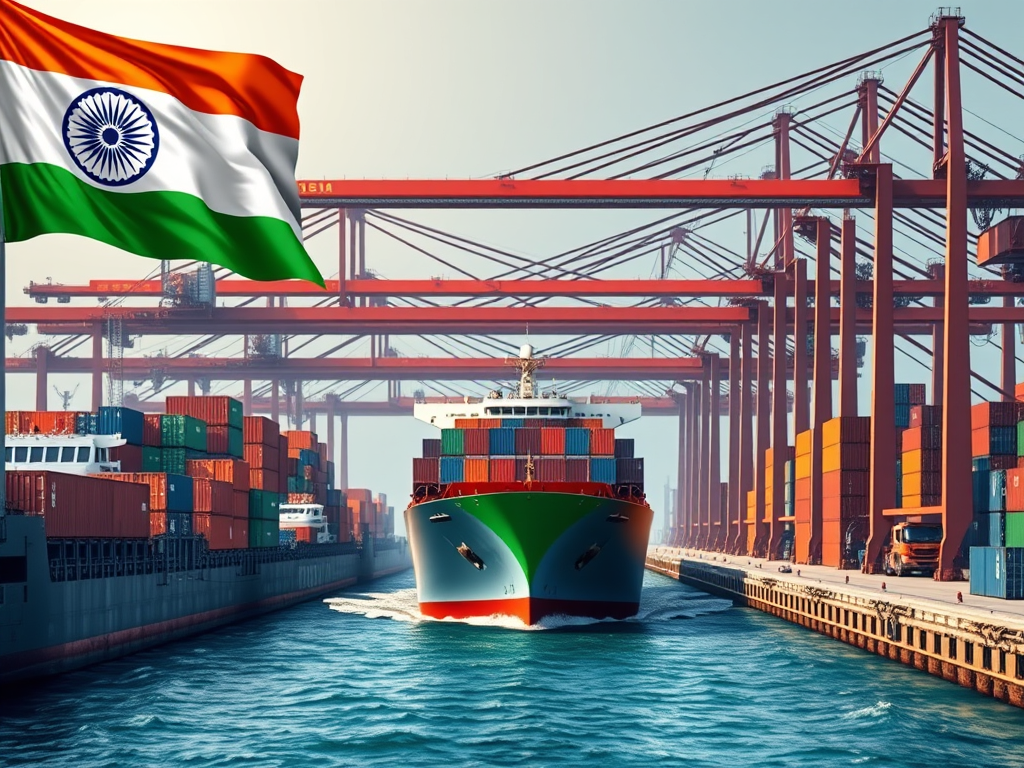
Budget 2026–27 and India’s Export Strategy Shift
India’s export strategy is undergoing a discernible shift in Union Budget 2026–27. Instead of a headline-heavy approach anchored primarily in sectoral incentives, the Budget moves toward a systems-led export competitiveness model built on trade facilitation, trusted-trader architecture, customs digitisation, logistics corridors, and targeted input-cost rationalisation. The message is clear: India wants to win export markets…
-

Indonesia’s Blue Carbon Strategy achieving SDG 14
Coastal degradation rarely announces itself through sudden collapse. It accumulates gradually through mangroves cleared for aquaculture, seagrass beds degraded by pollution, and coastlines that retreat incrementally each year. For Indonesia, an archipelagic nation where economic activity, livelihoods, and climate exposure are deeply tied to the sea, this slow erosion has become a structural development challenge.…
-

Green Budgeting and SDG 13: Aligning Climate Ambition with Public Finance
Imagine a government pledging billions to save the planet while simultaneously spending even more to subsidize the very fossil fuels accelerating climate change. For decades, national budgets have operated like a fiscal “black box,” where high-level climate commitments and spending decisions rarely align. Governments speak the language of the Paris Agreement and Sustainable Development Goal…
-

ReFuelEU Aviation: How Europe’s SAF Mandate Is Rewriting Airline Strategy
Europe has finally decided that using sustainable aviation fuel (SAF) is no longer a niche experiment and should become a legal requirement. Under the new ReFuelEU Aviation regulation, this initiative is part of the EU’s “Fit for 55” package, aiming to significantly reduce the aviation sector’s greenhouse gas emissions to meet climate targets. In this,…
-

The Fragmentation Trap: Structural Reforms for India’s Agricultural Future
Agriculture is more than just an economic sector, but rather a socio-economic sector creating livelihood for almost half of India’s population. India’s target to achieve a ‘Viksit Bharat’ by the end of 2047, will depend on the transformation of the agricultural sector which is riddled with inefficiencies, stagnation and the structural challenges which have hampered…
-
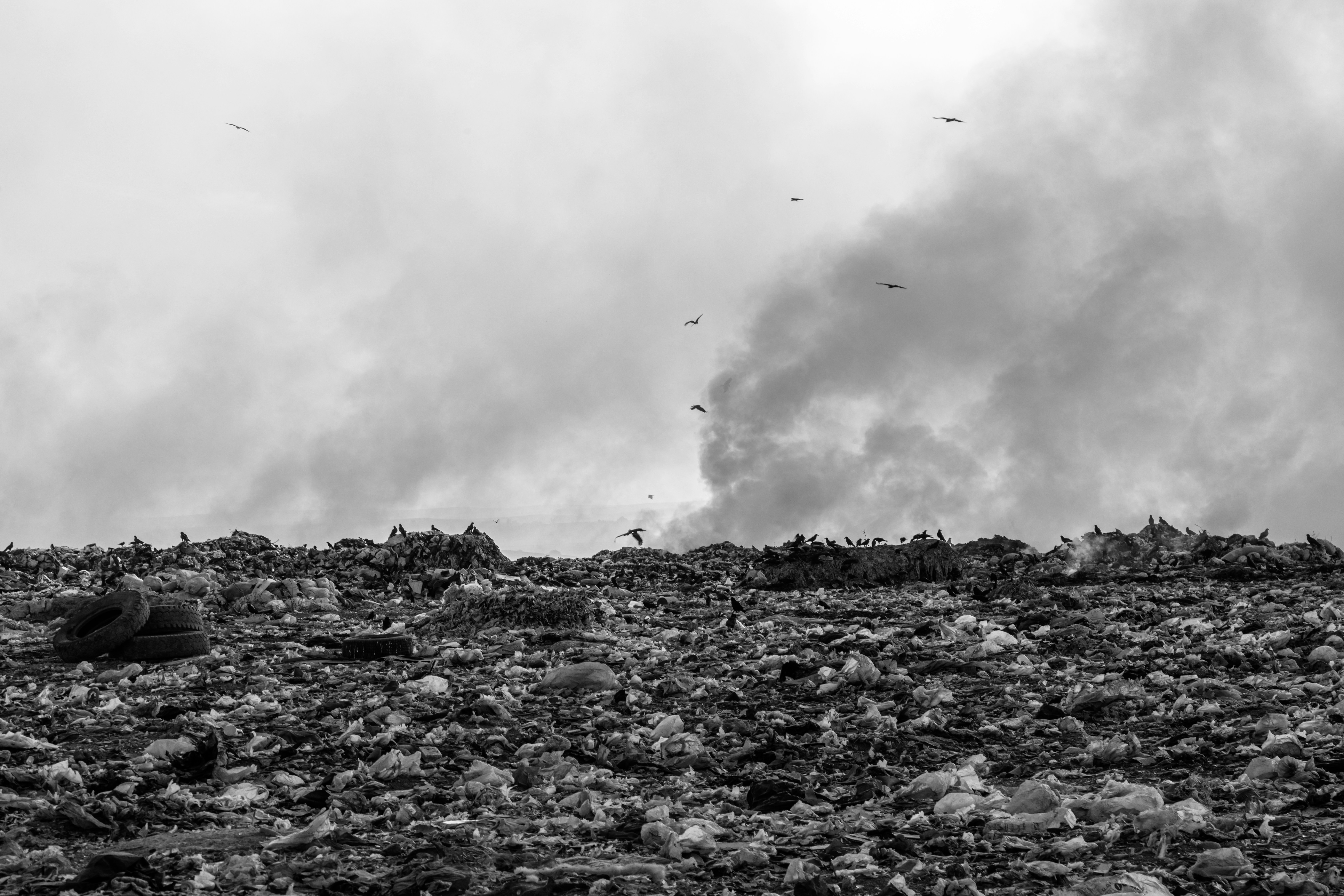
Pay-As-You-Throw: Governance Tool for Waste Management and Sustainability
You probably know exactly how much you spent last month on electricity, fuel, or internet services. You switch off the fan before leaving a room because the cost of electricity is visible, measurable, and directly linked to your behaviour. But do you know how much you spend on your garbage? For most households, the answer…