
Country Columnist
-
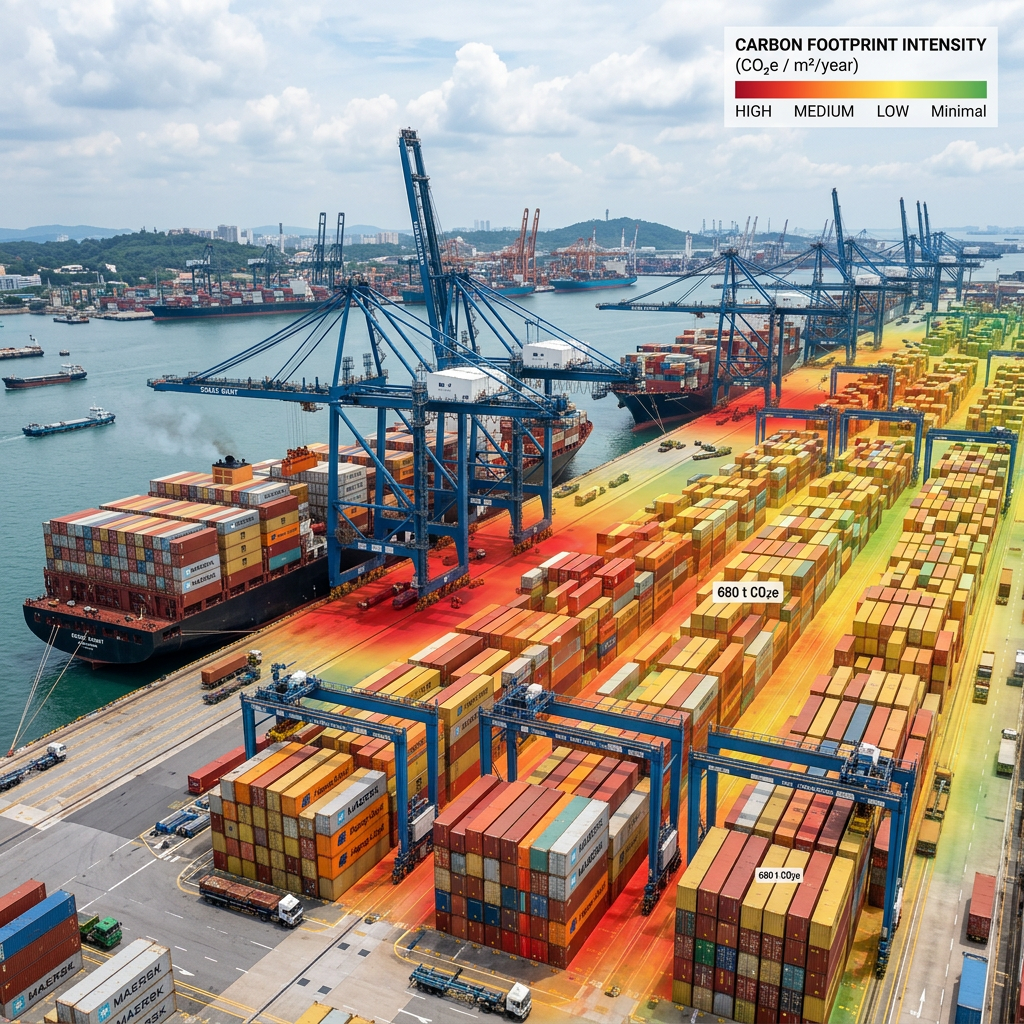
Explaining the European Union’s Carbon Border Adjustment Mechanism (CBAM)
World trade is no longer restructuring itself just in terms of cost effectiveness or supply chains but is becoming conditioned by what was until recently a highly domestic constraint: carbon. What is changing is not simply the price of goods, but the criteria by which goods are allowed to compete. In this emerging system, production…
-

Economic and Strategic Aftershocks of the 2026 Iran Conflict
The escalation of tensions between Iran, Israel, and the United States in early 2026 does not fit neatly into the traditional framework of victory and defeat. Rather than a decisive military outcome, the conflict reflects a broader pattern in modern warfare where limited strikes produce disproportionate and often unintended economic and geopolitical consequences. Instead of…
-
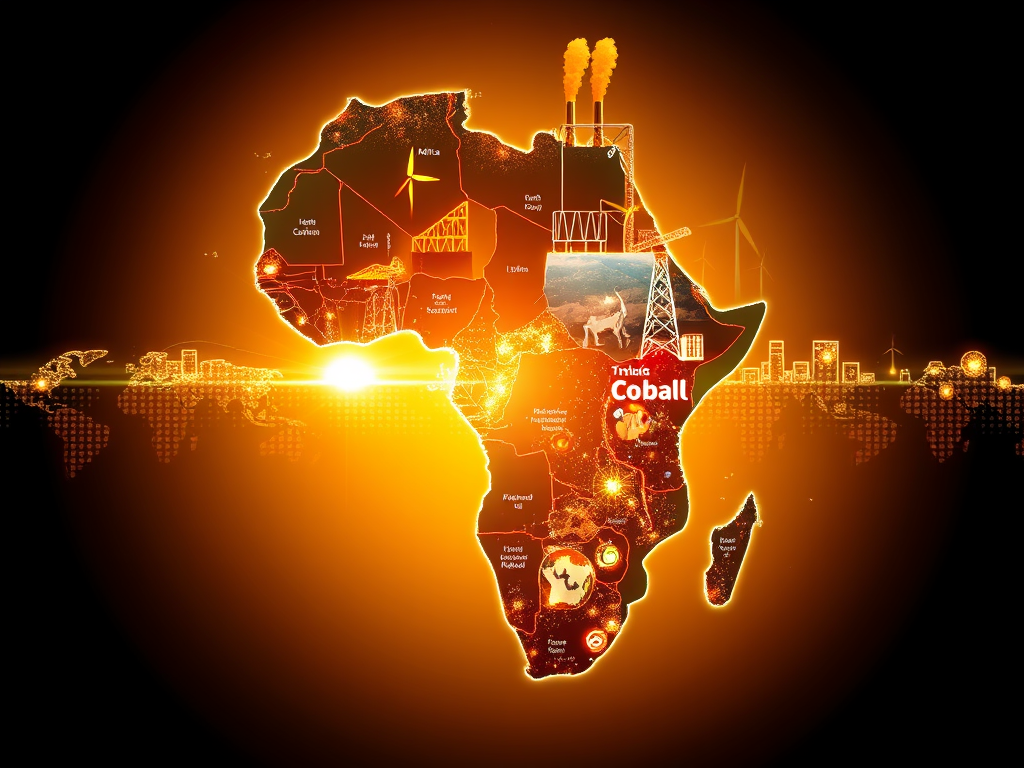
The Evolving Geopolitical Role of Africa in Global Supply Chains
As the global economy increasingly becomes interconnected and vulnerable to disruption, Africa is gradually becoming a central player in how global supply chains are changing. Historically viewed as a continent with abundant natural resources but not much industrial infrastructure, Africa is now excluding itself as an integral player in worldwide production, resource extraction and manufacturing.…
-
The End of the Yen Carry Trade: A Hidden Risk for Global Financial Markets
For decades, Japan’s ultra-loose monetary policies have made the yen carry trade one of the most influential financial strategies in the world’s financial markets. Investors were borrowing yen at near zero interest rates, investing the funds in higher yielding investments throughout the world and profiting from the interest rate differential. As the economic environment for…
-

How & Why Oil fuels Wars from World Wars to the Israel–Iran Conflict?
The renewed tensions between Israel and Iran have once again exposed a fundamental reality of the modern global economy: oil remains one of the most strategic resources shaping international conflict and stability. Military exchanges, attacks on shipping routes, and threats to energy infrastructure across the Middle East have already triggered volatility in global energy markets.…
-

Denmark’s Rule of Law and Fiscal Stability under SDG 16
Sustainable Development Goal 16 (SDG 16) “Peace, Justice and Strong Institutions” is often discussed in moral or governance terms. Yet its economic dimension is far more consequential. Institutional integrity is not simply about preventing misconduct; it is about protecting fiscal capacity, stabilising public revenue, and sustaining long-term development commitments. Where corruption persists, and illicit financial…
-

“Peak Phosphorus” and the Geopolitics of Food
The National Institute of Health introduces the element phosphorus as such: “Phosphorus, an essential mineral, is naturally present in many foods and available as a dietary supplement. Phosphorus is a component of bones, teeth, DNA, and RNA. In the form of phospholipids, phosphorus is also a component of cell membrane structure and of the body’s…
-

SDG 15 & Peru’s Conservation Paradox: Governing Megadiversity under an Extractive Economy
Peru is one of the world’s megadiverse countries, with the Andean ecosystems that are highly endemic, Amazon rainforest and ecologically important coastal areas. Though Peru covers less than 1 percent of the world land area, the country is home to 1,800 species of birds, more than 500 species of mammals and about 10 percent of…
-
How Norway Governs Its Marine Economy
Marine economies worldwide face a common dilemma: how to extract economic value from oceans today without undermining their productivity tomorrow. As overfishing, marine pollution, and climate pressures intensify, governments are being forced to rethink how fisheries and ocean resources are governed. This article examines how Norway governs its marine economy as a long-term economic asset,…
-
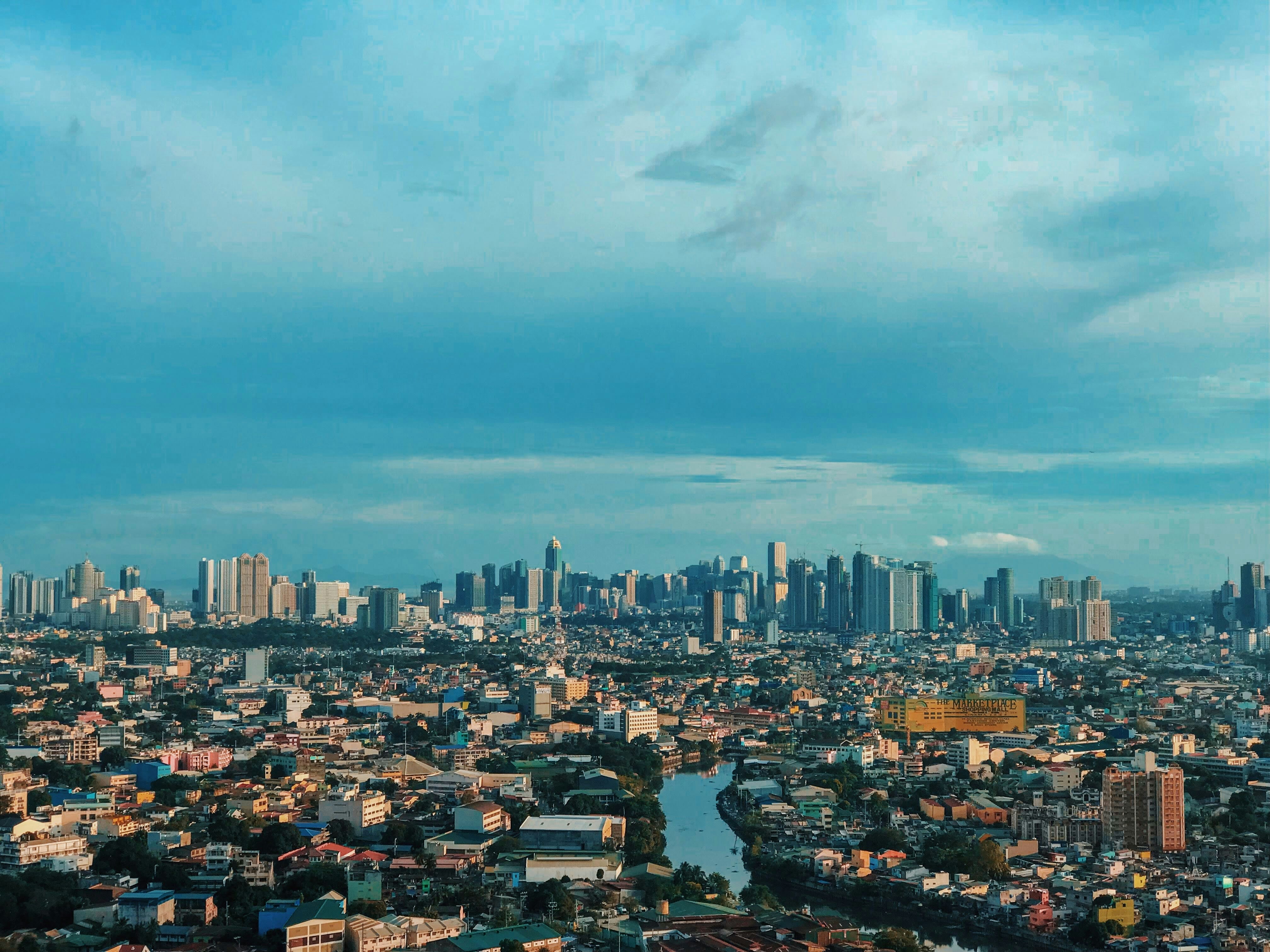
Achieving SDG 11 of Urbanisation’s Progress,Challenges, and Policy Innovations in the Philippines
Cities are more than concrete landscapes they are living stories of people’s dreams, hopes, and resilience. In the Philippines, this story is being rewritten through a collective commitment to build inclusive, safe, resilient, and sustainable communities, in alignment with Sustainable Development Goal 11. With around 48% of its population now living in urban areas, Philippines…