
Author: Mukta Deshpande
-

Beyond Winners and Losers: What Conflict Reveals About Capital Markets
Between February and December 2022, as Europe witnessed its largest military conflict since the Second World War, Lockheed Martin added billions of dollars to its market capitalisation, ExxonMobil reported the highest annual profit in its history, and German defence manufacturer Rheinmetall watched its order backlog more than double. The tendency is to read these outcomes…
-
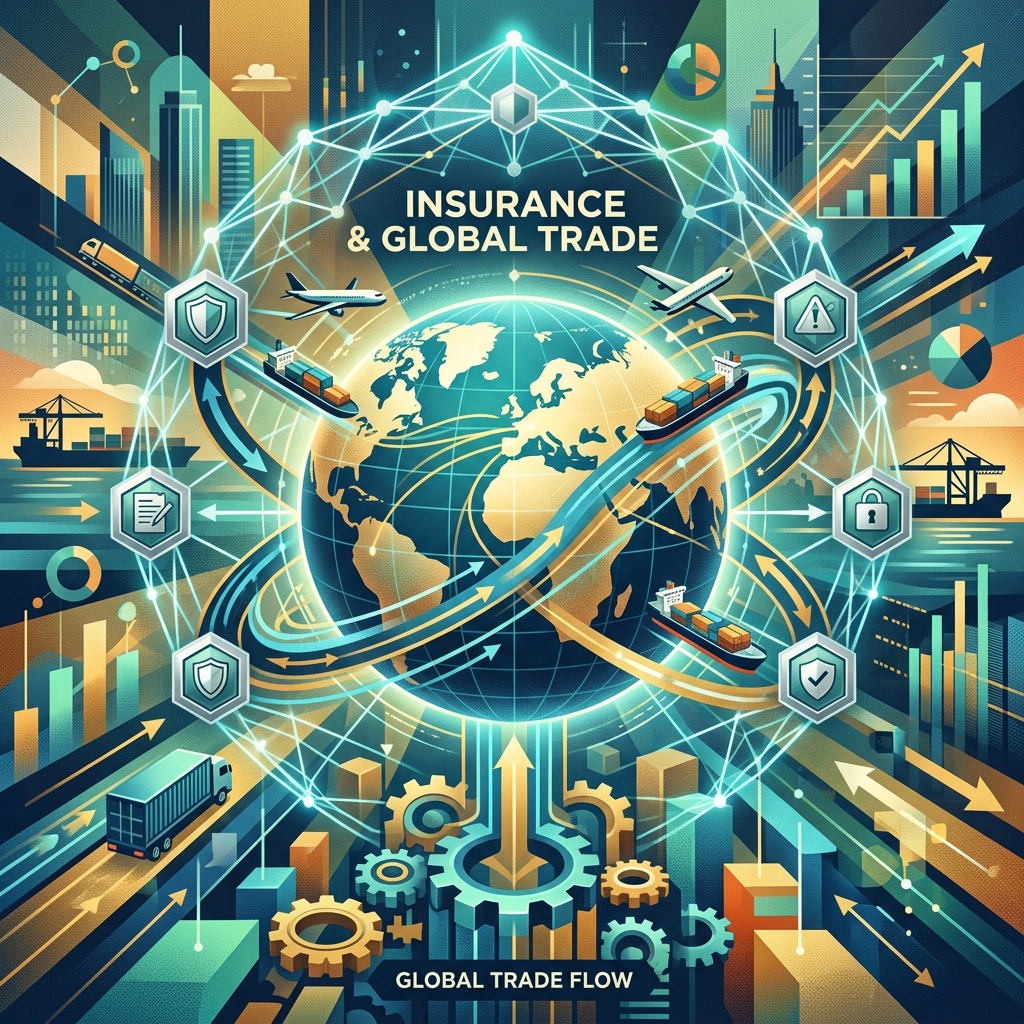
The Hidden Aftershock of War: How Insurance Rewrites Economies
Wars are usually measured in destroyed buildings, displaced people, and lost output. But some of their most durable economic effects show up in a quieter place: insurance pricing. When conflict changes the cost of covering ships, aircraft, factories, or infrastructure, it changes whether trade happens at all, whether investment is financed, and how fast recovery…
-
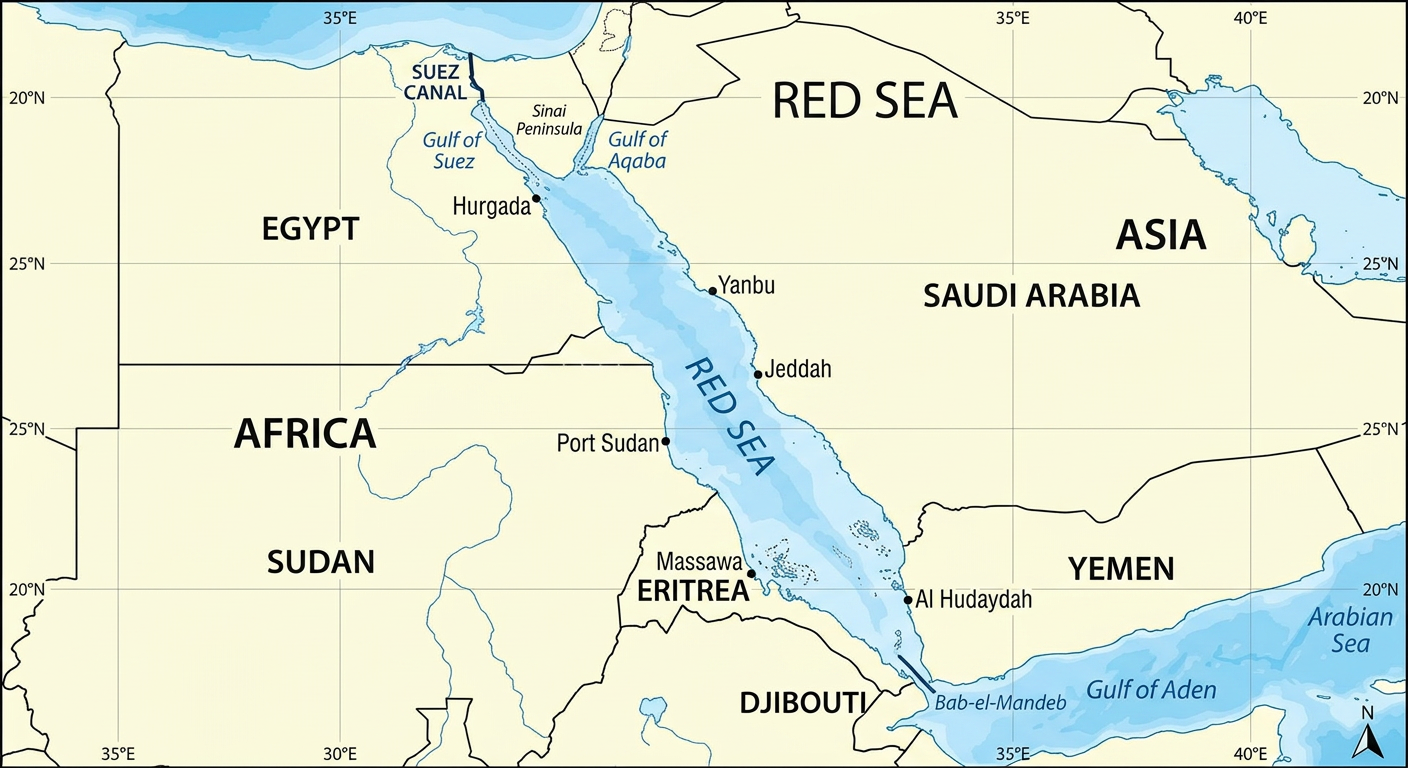
What the Red Sea Disruptions Reveal About Global Trade
The ongoing disruptions in the Red Sea, triggered by geopolitical tensions and attacks on commercial shipping, have reintroduced systemic fragility into global supply chains. What initially appeared as a regional security issue has evolved into a structural cost shock for global trade. Freight rates have surged, transit times have lengthened, and supply chain predictability has…
-

From SWIFT to Sanctions unravelling the Face of Global Finance
For decades, the global financial system operated under the assumption of neutrality, a seamless utility that facilitated trade across borders regardless of political friction. However, the 2022 invasion of Ukraine fundamentally shattered this illusion. By de-platforming Russian banks from SWIFT and freezing $300 billion in sovereign reserves, Western powers effectively “weaponized” the global financial plumbing.…
-

The Power of Refining: Why Lithium Reserves Aren’t the Real Advantage
The global electric vehicle (EV) transition is often framed as a battle for lithium reserves. In reality, the more consequential chokepoint lies downstream: in lithium chemical processing. While Australia, Chile and Argentina dominate raw lithium extraction, China controls an estimated 60-70% of global lithium chemical conversion capacity. This asymmetry creates pricing power, supply-chain leverage and…
-

Pricing Sustainability: ESG, WACC, and Valuation Premiums
Over the past decade, Environmental, Social, and Governance (ESG) considerations have migrated from corporate social responsibility reports into the core mechanics of capital allocation. For boards, CFOs and institutional investors, ESG is no longer a reputational overlay, it is increasingly embedded in how risk is priced, how discount rates are set and how valuation multiples…
-

From Metal to Margins: How Circularity is Rewiring the Automotive Industry
India’s automotive industry is entering its most capital-intensive decade. Electrification mandates, tightening emission norms, and rising localization targets are pushing manufacturers to invest billions in new platforms and supply chains. Yet beneath this transformation lies a structural vulnerability: modern vehicles, especially electric ones, are becoming more material-intensive at the very moment raw materials are becoming…
-

Can India scale AI while protecting employment?
India’s AI adoption trajectory is accelerating across services, manufacturing, and platform-based work. Firms are deploying automation to improve productivity, reduce costs, and remain globally competitive. However, India’s labour market, dominated by informality, low skill depth, and uneven sectoral transformation, raises a critical concern: will AI-led productivity gains translate into commensurate employment absorption? This article examines…
-

FMCG’s Revenue Strategy in India & ASEAN revealed
Over the past decade, sustainability has gone from an optional gesture to a decisive turning point for Fast-Moving Consumer Goods (FMCG) companies. Across India and ASEAN, a newer, younger consumer base has emerged- reshaping what sells, how brands position themselves and where capital flows. Environmental, Social and Governance (ESG) guidelines are actively driving companies to…