
March 2026
-

How Geopolitical Tensions Boost Australia’s Commodity Economy?
Geopolitical tensions often disrupt global markets, but they also create economic opportunities for countries positioned as stable suppliers of critical resources. Australia is one such country. This article explores the reason behind Australia’s economic benefits amid tensions. As one of the world’s largest exporters of iron ore, coal, natural gas, and critical minerals, Australia frequently…
-

How China Built an “Energy Fortress”
As tensions simmer across the Middle East and the vulnerability of the Strait of Hormuz looms large over global energy markets, much of the world watches with a sense of unease. Nearly a third of global liquefied natural gas (LNG) trade flows through this narrow maritime corridor, making it one of the most critical chokepoints…
-
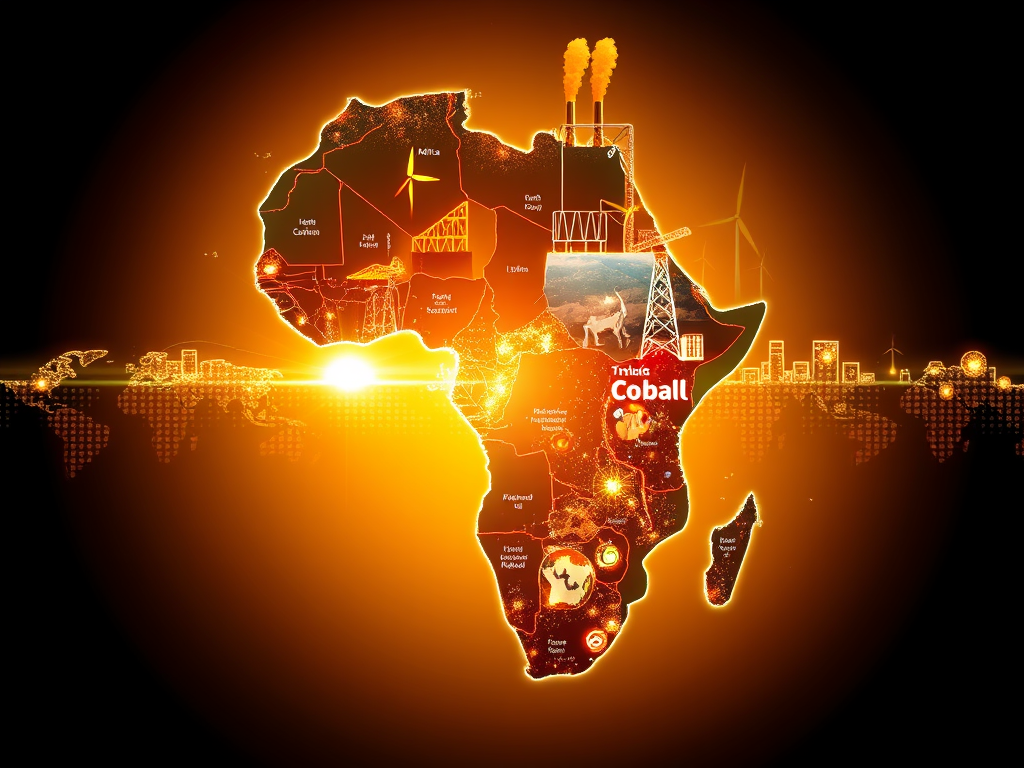
The Evolving Geopolitical Role of Africa in Global Supply Chains
As the global economy increasingly becomes interconnected and vulnerable to disruption, Africa is gradually becoming a central player in how global supply chains are changing. Historically viewed as a continent with abundant natural resources but not much industrial infrastructure, Africa is now excluding itself as an integral player in worldwide production, resource extraction and manufacturing.…
-

The Macaque Monopoly: The Quiet Geopolitical War Over Biomedical Research
A macaque is any of more than 20 species of Old World monkeys. All but one species, the Barbary macaque of North Africa, are Asian. Macaques are robust primates with dog-like muzzles and fur that is generally brown or black. Depending on the species, their tail may be long, short, or absent. This article details…
-

Water Wars? How Scarcity is Reshaping Global Industry and Geopolitics
When geopolitical analysts discuss global resource conflicts, oil usually dominates the conversation. Yet a quieter but potentially more transformative resource challenge is emerging: water scarcity. Unlike oil, water has no substitutes for agriculture, industry, or human survival. As population growth, climate change, and industrial expansion increase pressure on freshwater resources, water is rapidly evolving from…
-
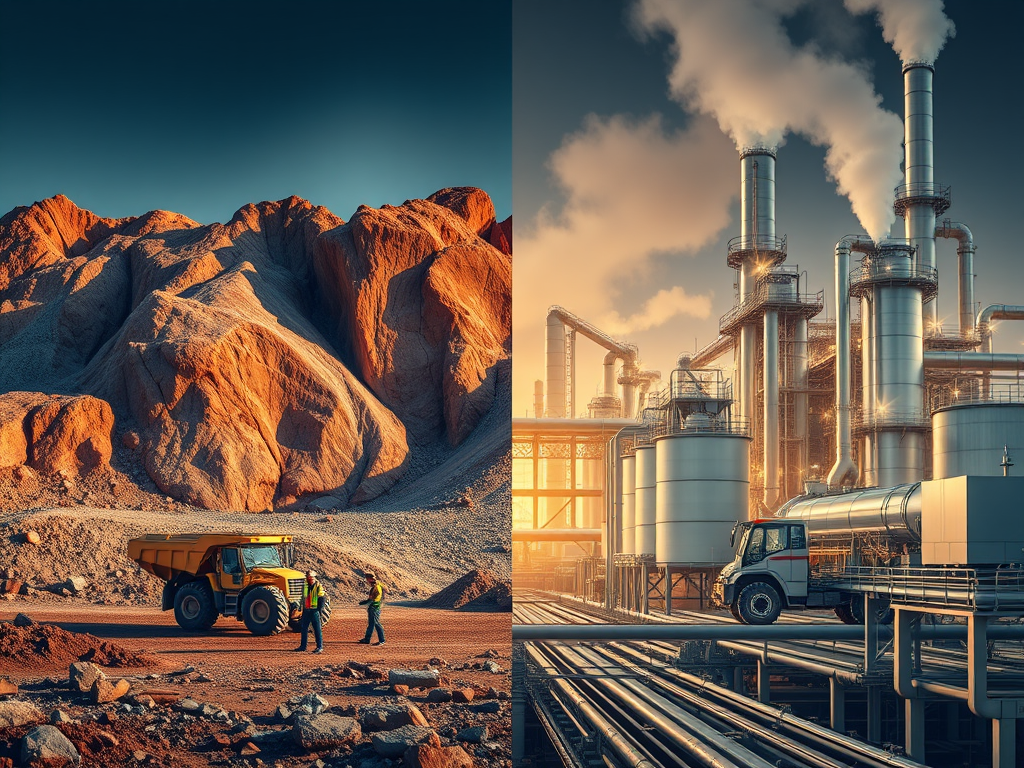
The Power of Refining: Why Lithium Reserves Aren’t the Real Advantage
The global electric vehicle (EV) transition is often framed as a battle for lithium reserves. In reality, the more consequential chokepoint lies downstream: in lithium chemical processing. While Australia, Chile and Argentina dominate raw lithium extraction, China controls an estimated 60-70% of global lithium chemical conversion capacity. This asymmetry creates pricing power, supply-chain leverage and…
-

Lee Kuan Yew’s Warning on Demography and Democracy: Power of Electoral Geography from Europe to Bengal
Democracy is often explained through political ideology, institutional design, and economic policy. Yet one structural factor frequently operates quietly beneath these debates: demography. Changes in population composition, migration patterns, and regional concentration can reshape electoral outcomes long before political discourse recognises the shift. This relationship between demography and democratic incentives was emphasised by Lee Kuan…
-
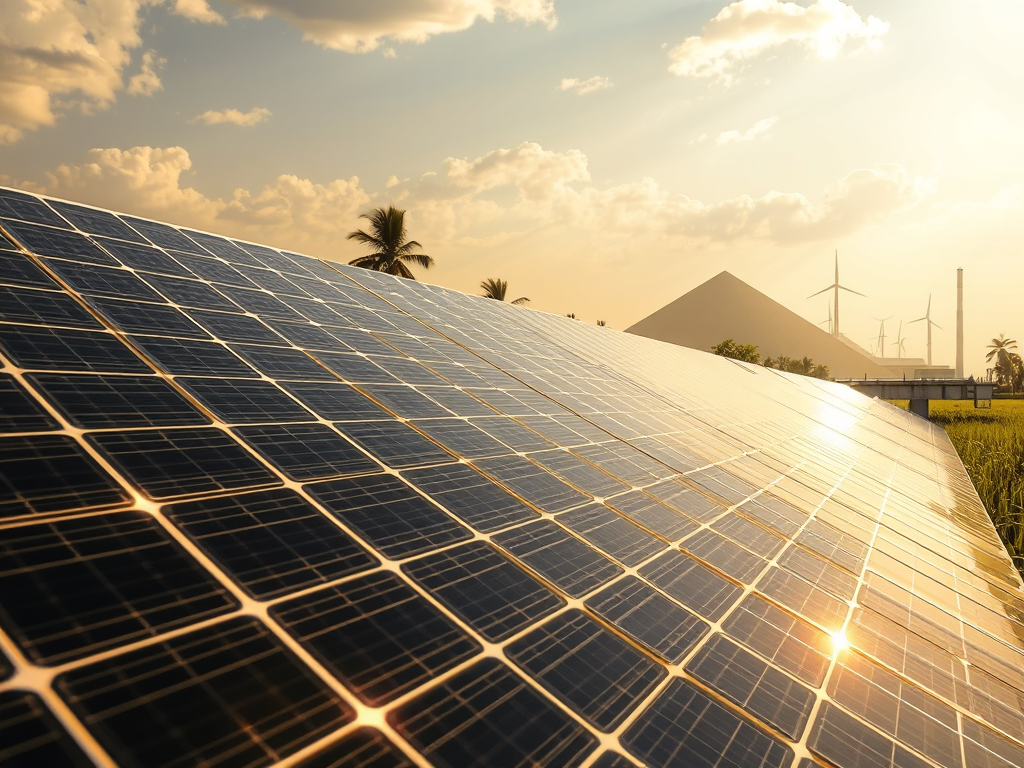
India’s Solar Supply Chain Challenge
India is currently undertaking one of the fastest renewable energy expansions in the world. By December 2025, the country had installed 258 GW of renewable energy capacity, with solar accounting for over 53% of the total renewable mix. The milestone of deriving 50% of electricity capacity from non-fossil sources was achieved nearly five years ahead…
-
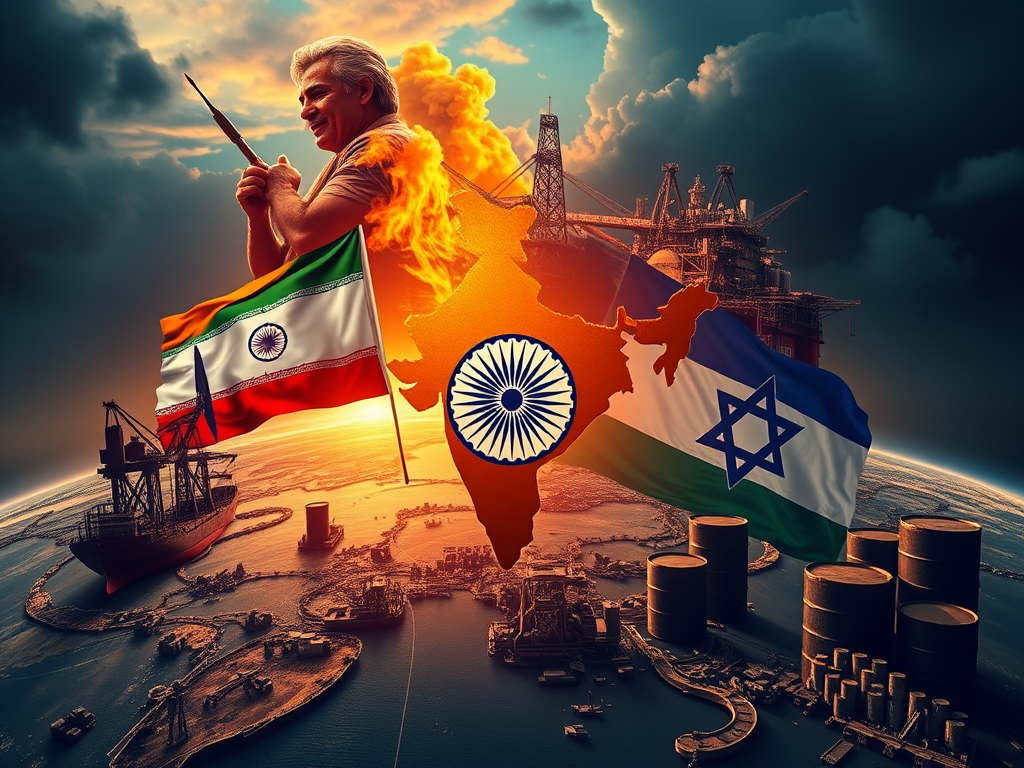
India’s Strategic Neutrality in the Iran–Israel Conflict: Balancing Diplomacy, Trade, and Economic Interests
The Iran–Israel conflict represents one of the most volatile fault lines in contemporary geopolitics. In early 2026, the confrontation expanded beyond proxy tensions into a broader regional crisis following coordinated military strikes on Iran and retaliatory attacks across the Gulf. The consequences have not remained confined to the Middle East. Attacks on commercial vessels, the…
-
The End of the Yen Carry Trade: A Hidden Risk for Global Financial Markets
For decades, Japan’s ultra-loose monetary policies have made the yen carry trade one of the most influential financial strategies in the world’s financial markets. Investors were borrowing yen at near zero interest rates, investing the funds in higher yielding investments throughout the world and profiting from the interest rate differential. As the economic environment for…