
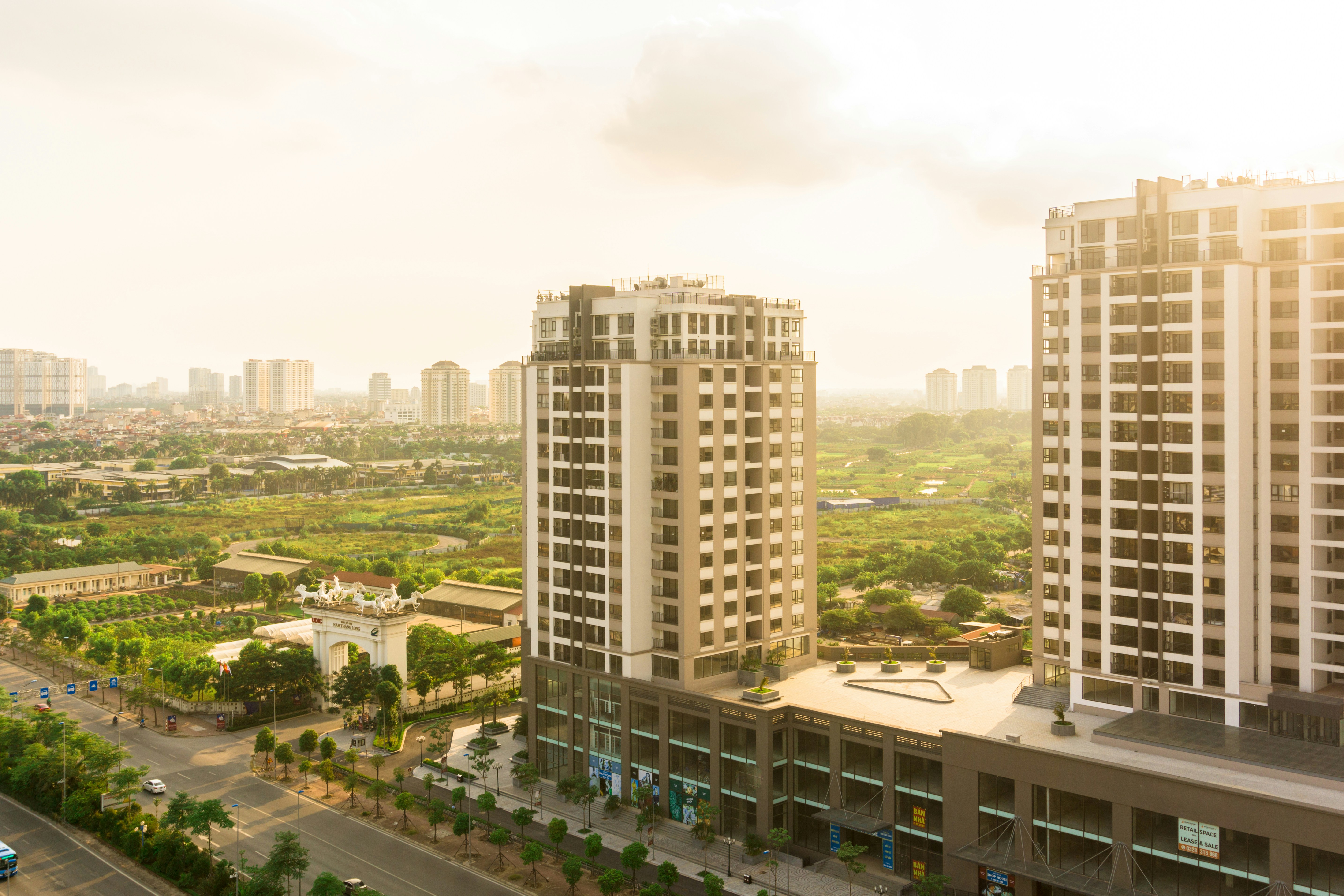
Buying a house is one of the most significant financial decisions in an individual’s life. Whether it’s for personal use or as an investment, the decision requires careful evaluation of several factors beyond just price and location. Many technical terms in real estate—like FSI, carpet area, built-up area, super built-up area, and more—can be confusing to the average homebuyer. A lack of understanding can lead to uninformed decisions and, in some cases, financial loss or legal complications.
This article breaks down these essential real estate concepts to help buyers make informed and confident decisions.
Floor Space Index (FSI) / Floor Area Ratio (FAR)
FSI or FAR determines how much construction is permissible on a plot of land. It is the ratio of the total built-up area to the total area of the plot.
Formula:
FSI = Total Built-up Area / Plot Area
Why It Matters:
- FSI is regulated by municipal authorities and varies from city to city.
- A higher FSI allows more construction on a given plot, which could lead to more units and higher density.
- Low FSI areas typically have less congestion and better infrastructure.
Example:
If a 1,000 sq. m. plot has an FSI of 2.0, then 2,000 sq. m. of built-up area is allowed.
Carpet Area
The carpet area is the actual usable area within the walls of an apartment or house. Simply put, it is the area where a carpet can be spread—hence the name. It includes bedrooms, living room, kitchen, bathrooms, and internal partition walls but excludes the thickness of external walls, balconies, verandas, and common areas.
Why It Matters:
- The carpet area gives a true picture of the usable space.
- Since property prices are quoted per square foot, understanding the carpet area helps assess value for money.
- RERA (Real Estate Regulation and Development Act, 2016) mandates developers to mention the carpet area, increasing transparency.
Example:
If a flat has a total area of 1,200 sq. ft. but the carpet area is only 800 sq. ft., the remaining 400 sq. ft. includes walls, balconies, and shared spaces.
Built-Up Area
The built-up area includes the carpet area plus the area covered by walls (internal and external) and ducts. It may also include balconies and terraces that are attached to the apartment.
Why It Matters:
- Builders often quote the built-up area to show more space, but not all of it is usable.
- The built-up area is usually 10-20% more than the carpet area.
Super Built-Up Area
This is the built-up area plus a proportionate share of common areas such as lobbies, staircases, lifts, corridors, clubhouses, and amenities.
Why It Matters:
- Many developers price apartments based on the super built-up area (also called saleable area).
- It inflates the per square foot cost, as you’re paying for space that you do not exclusively own.
Example:
If a developer states a flat is 1,500 sq. ft. super built-up, the carpet area could be only 1,000–1,100 sq. ft. The rest is common space.
Loading Factor
The loading factor is the difference between the super built-up area and the carpet area, expressed as a percentage.
Formula:
Loading (%) = [(Super Built-up Area – Carpet Area) / Carpet Area] x 100
Why It Matters:
- It helps homebuyers understand how much extra they are paying for non-usable areas.
- A loading of 25–30% is common, but higher loading reduces the value proposition.
RERA Carpet Area vs Developer Carpet Area
Before RERA came into effect, developers used varied and often misleading definitions of carpet area. Post-RERA, a standardized definition was introduced to include usable internal space, excluding balconies and external walls.
Why It Matters:
- Buyers should ensure they are comparing like-for-like definitions of area.
- The RERA carpet area offers a clearer and fairer basis for property pricing.
Stamp Duty and Registration Charges
These are government taxes levied on property transactions and are essential additional costs to factor into your budget.
Why It Matters:
- Stamp duty varies from 4% to 8% across states in India.
- Registration charges are typically around 1% of the property value.
Example:
For a property worth ₹50 lakhs, you may end up paying ₹3–4 lakhs more as stamp duty and registration.
Occupancy Certificate (OC) and Completion Certificate (CC)
- OC: Issued by the local municipal body, it certifies that the building is ready for occupancy and complies with building codes.
- CC: Issued by the local authorities, this certifies the building has been constructed as per approved plans.
Why It Matters:
- Essential documents for legal possession and utility connections.
- Buying a home without these can lead to legal issues and even eviction.
Encumbrance Certificate (EC)
This document certifies that a property is free from any legal dues, loans, or liabilities.
Why It Matters:
- It is crucial during resale or if you’re taking a home loan.
- Always check the EC for the past 15–30 years to ensure clear title.
10. Home Loan Eligibility and Pre-Approved Loans
Understanding your loan eligibility and having pre-approval from a bank can give you an edge in negotiations and a clearer picture of your budget.
Why It Matters:
- Pre-approved loans fast-track the buying process.
- Loan eligibility depends on income, credit score, age, and existing liabilities.
Conclusion: Buy Smart, Not Just Big
Buying a house isn’t just about choosing the biggest property in your budget—it’s about maximizing value and minimizing risks. Understanding key concepts such as carpet area, FSI, and loading factor helps you evaluate properties more intelligently. Regulatory clarity brought by RERA has improved transparency, but buyers must still do their due diligence regarding documentation and pricing metrics.
Whether you’re a first-time homebuyer or a seasoned investor, knowing these fundamental concepts is your best safeguard in the complex world of real estate. An informed decision today can secure a comfortable and hassle-free living experience tomorrow.
Author

Make Tatvita one of your preferred sources
See more insights from Tatvita Analysts in your Google Search results.



Leave a Reply