
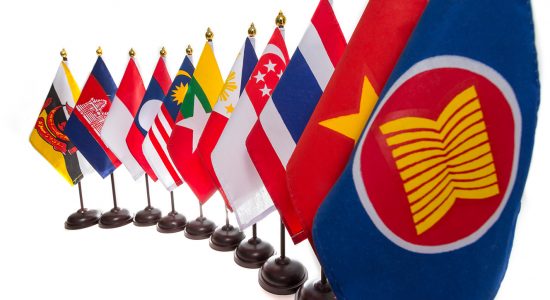
The fast-moving consumer goods (FMCG) sector in ASEAN countries is moving and changing at a very high pace because of factors such as consumer behaviour changes, retail changes and technological developments such as the advent of artificial intelligence (AI). The economic and social diversity of the region makes it easier for expansion yet it has its drawbacks which include inflation and rising competition.
The ASEAN (Association of Southeast Asian Nations) region, comprising countries like Indonesia, Thailand, Malaysia, the Philippines, Vietnam, Singapore, and others, is home to a vibrant and dynamic FMCG (Fast-Moving Consumer Goods) sector. The region is known for producing high-quality, innovative, and affordable products across several categories: Food and Beverages, Health and Hygiene, Wellness, and Beauty and Personal Care. These industries not only cater to the diverse needs of local populations but are increasingly gaining global recognition for their contributions to global trade.
In this article, we explore the financial performance, global presence, and key products of leading FMCG companies from ASEAN countries. The aim is to raise awareness about these homegrown giants and their products, while empowering consumers both within ASEAN nations and internationally.
Market Background
Southeast Asian economies have performed particularly well in the last ten years stemming from a growing middle class and better access to information and communication technology. The developing region’s captive market has been on the rise with disposable income levels heading upwards and the appetites for various goods deepening. That being said, the picture is not rosy either. Inflationary strife and geopolitical risks have lately caused stress in the sector, therefore necessitating the need for development and change among the FMCG corporations.
Economic and Cultural Overview of Countries
Each ASEAN member country offers unique economic drivers and cultural nuances that shape consumer behaviour. In Indonesia, the large and youthful population favours affordable, local products, while Vietnam’s rapid urbanisation and expanding digital economy drive significant e-commerce growth. Meanwhile, Thailand demonstrates a mix of traditional and modern retail preferences, with increasing demand for health-conscious products.
Fundamental economic enablers or strategies
The emergence of middle-class and wealthy consumers (MAC) also stands as one of the most pivotal economic driving factors of the region. To date numbering over 330 million people, this group is projected to increase to 415 million people by 2031, which constitutes 66% of the population. These demographic fuels demand for value-based and premium products alike.
The expansion of the digital economy, supported by platforms like Shopee and Lazada, is reshaping retail by introducing trends such as “shoppertainment,” which blends shopping and entertainment and is projected to create a $1 trillion market by 2025. Additionally, regional trade agreements like the Regional Comprehensive Economic Partnership (RCEP) enhance trade and investment opportunities, integrating Southeast Asia into global supply chains.
Investment and Business Opportunities
The region presents numerous investment opportunities. The growth of the e-commerce sector and the digital platforms established have offered opportunities for many brands to reach the end consumer more personally. More importantly, the growing demand for health and sustainability-conscious products is owing to the consumer demand for ethical and well-being products. In addition, the increasing popularity of brands designed to cater for local tastes is a threat to international brands and encourages development.
Domestic FMCG Companies from ASEAN Countries, their financial performance, and presence in other countries
1. Food and Beverages: A Flourishing Industry
The food and beverage (F&B) sector in ASEAN is dynamic, with a strong presence in both local markets and international exports. Companies from the region are capitalizing on the growing demand for healthier, more sustainable, and convenient products, reflecting the region’s diverse culinary heritage.
Key Players and Financial Performance:
- Thai Beverage (Thailand): One of Southeast Asia’s largest beverage companies, Thai Beverage, has a diverse portfolio, including alcoholic beverages (beer, spirits) and non-alcoholic beverages (soft drinks, bottled water). In 2023, Thai Beverage reported revenues of approximately THB 217 billion (USD 6.7 billion), with net profits exceeding THB 19 billion (USD 591 million). The company has successfully expanded into international markets, with notable exports to China, the U.S., and Europe, particularly in its Chang beer and Mekhong whisky.
- Indofood (Indonesia): A giant in the food industry, Indofood is the largest producer of instant noodles in the world, with its popular Indomie brand. In 2023, Indofood generated over IDR 42 trillion (USD 2.7 billion) in revenue. The company’s presence spans across more than 80 countries, including key markets in the Middle East, Africa, and Southeast Asia, which are significant contributors to its export growth.
- Vinamilk (Vietnam): As Vietnam’s largest dairy producer, Vinamilk holds a dominant position in both local and export markets. In 2023, Vinamilk reported a revenue of VND 61 trillion (USD 2.6 billion), with a net profit of VND 10 trillion (USD 417 million). Vinamilk has expanded significantly across Asia, with notable export markets in the Middle East and Europe, and has become a strong competitor in global dairy markets.
- Fraser and Neave (Singapore): This company has a long history in the ASEAN region, known for its iconic drinks such as 100Plus (a popular isotonic drink) and Singapore’s favorite milk brand, Magnolia. In 2023, Fraser and Neave reported a revenue of SGD 3.2 billion (approx. USD 2.3 billion), driven by both beverage sales and dairy products. Their market presence extends beyond Singapore, with exports to countries in Asia, Australia, and the Middle East.
2. Health and Hygiene: Responding to Rising Consumer Demands
The health and hygiene sector has seen a remarkable shift in consumer behavior, with an increasing focus on personal health, wellness, and hygiene. ASEAN companies are responding to these demands with products that cater to both daily hygiene needs and overall health improvement.
Key Players and Financial Performance:
- Hap Seng Consolidated (Malaysia): A diversified conglomerate with a strong health and hygiene segment, Hap Seng Consolidated operates in personal care and hygiene products through brands like Sunsilk, Lifebuoy, and Dove. The company reported a total revenue of MYR 5.5 billion (USD 1.2 billion) in 2023, with significant contributions from its personal care division. Exports of its hygiene products have found markets across Asia, Africa, and the Middle East.
- Unicharm (Thailand, Philippines): Originally a Japanese company, Unicharm has significant operations in ASEAN, particularly in Thailand and the Philippines. Known for its diapers and feminine hygiene products under brands like MamyPoko and Sofy, Unicharm reported revenue of approximately THB 20 billion (USD 600 million) in the ASEAN market in 2023. The company’s presence in ASEAN is robust, with substantial export activity in countries such as Japan, China, and the Middle East.
- Unilever Indonesia (Indonesia): While Unilever is a global company, its Indonesian arm plays a significant role in the local market. With brands like Lifebuoy (soap) and Pepsodent (toothpaste), Unilever Indonesia has a commanding presence. The company’s 2023 revenue from its operations in Indonesia stood at IDR 10.5 trillion (USD 700 million), with strong exports to other ASEAN nations, as well as the Middle East and Africa.
- Vietnam’s Masan Consumer: A leading player in the Vietnamese health and hygiene market, Masan Consumer produces products such as Masan’s Saigon/Red Bull drinks and hygiene products like Toothpaste Colgate. In 2023, Masan’s revenue surged to VND 22 trillion (approximately USD 940 million), with health-related products expanding their market in ASEAN and international markets such as Russia and Japan.
3. Wellness and Beauty & Personal Care: Innovating for the Modern Consumer
The wellness and beauty industries are flourishing across ASEAN countries, driven by a blend of traditional beauty practices and modern innovation. The rise of digital platforms has further boosted the sector, enabling ASEAN companies to reach global audiences.
Key Players and Financial Performance:
- Shiseido (Thailand): While Shiseido is a Japanese brand, it has extensive operations in Thailand, producing beauty and personal care products tailored for Southeast Asian consumers. In 2023, Shiseido’s regional revenue, including Thailand, was approximately JPY 1.2 trillion (USD 8.1 billion). The Thai market is one of the key contributors to its global sales, with products such as skincare and cosmetics performing well in export markets like Singapore, Malaysia, and Indonesia.
- Mandom (Indonesia): Known for personal care brands like Gatsby and Lucido-L, Mandom has firmly established itself as a major player in the Southeast Asian beauty market. In 2023, Mandom’s revenue stood at IDR 10.8 trillion (USD 700 million), driven largely by the growth of men’s grooming products and its expansion into neighbouring markets, including Japan, Thailand, and Vietnam.
- SASA Cosmetics (Malaysia): SASA is a well-known retailer and distributor of beauty products across Malaysia and Asia. In 2023, SASA’s reported revenues were around MYR 2.6 billion (USD 600 million). The company focuses on skincare, cosmetics, and wellness products, catering to local and international customers, with a growing presence in Hong Kong, Singapore, and China.
- Siam Bioscience (Thailand): A key player in the Thai beauty and personal care market, Siam Bioscience produces a wide range of skincare and haircare products. In 2023, the company reported revenue of THB 6 billion (approx. USD 170 million). Siam Bioscience’s products are increasingly available in international markets, particularly in Asia-Pacific, the Middle East, and the U.S.
- Beiersdorf (Malaysia): Known for its skincare brands like Nivea, Beiersdorf’s Malaysian operations have been contributing significantly to the company’s overall revenue. In 2023, the company reported revenue of EUR 3.5 billion (approx. USD 3.7 billion) for Asia Pacific, with Malaysia being one of its key markets for beauty and personal care products.
Financial Performance and Export Potential
The financial performance of FMCG companies from ASEAN nations has seen a steady upward trajectory, with key players reporting annual revenues ranging from millions to billions of dollars. ASEAN FMCGs, particularly in food, beverage, wellness, and beauty, are increasingly achieving significant global footprints. Here’s a quick snapshot of the sector’s performance across ASEAN:
- The combined revenue for FMCG companies across ASEAN in 2023 is estimated at over USD 50 billion, with food and beverages, health and hygiene, and personal care sectors accounting for the majority.
- Exports play a significant role in the sector’s performance. ASEAN FMCG companies are tapping into new markets across Asia, the Middle East, and Europe. For example, Thai beverage exports have increased by 8% annually, while Indonesian food exports have grown by 12% over the past five years.
- Growth in e-commerce and digital channels has accelerated in the wake of the COVID-19 pandemic, with companies leveraging online sales platforms to expand their customer base globally. This trend is especially noticeable in countries like Singapore and Thailand, where digital infrastructure is robust.
As these companies continue to grow, innovate, and expand, their financial performance and regional influence will further solidify ASEAN as a key player in the global FMCG landscape.
Challenges and considerations
Notwithstanding its expansion opportunity, the FMCG industry is still dealing with issues like inflation which has made consumers more careful in their spending patterns. It is also not easy to control and deal with clean channel integration both in traditional markets and high-tech markets. The competition from regional and local players, which will lower profit margins, calls for innovative development initiatives almost daily.
It is imperative to adjust to changes in consumer behaviour and markets that characterise the region known as Southeast Asia. The rising middle class is exploring higher-quality products, creating opportunities for brands to introduce premium offerings at accessible price points. Consumers’ digital-first behaviour requires companies to adopt omnichannel strategies that integrate online and offline experiences seamlessly. Sustainability has become a mainstream priority for consumers, driving demand for products that align with health, wellness, and environmental values.
The FMCG companies are required to cope with an expanding scope of varying retail channels. The rise in visibility of smaller retail formats such as convenience stores places an additional burden on firms to rethink inventory and product design specifications. The Traditional Trade (TT) is still healthy but is a pool of channels in its own right which needs remedying with disruptive innovations such as eB2B. It is imperative to engage both online and offline channels with the use of data analytics to enhance distribution and marketing efforts.
In appealing to the Southeast Asian market, it is crucial to provide localised products and services – those that are specific to the tastes and the liking of the people in that region. Personally tailored product offerings, such as Indonesia’s Kopikap and Thailand’s Diamond Grains, show local market penetration’s significance. Advances in software and hardware, especially those embracing artificial intelligence, have a proffer to improve efficiency, advertising strategies and consumer relations management. Furthermore, with the increase of health awareness among consumers, many people have turned to the utilisation of supplements and healthy chips, among other interrelated products, thus creating new and productive growth possibilities.
Conclusion
The FMCG industry in Southeast Asia is at a turning point, with great opportunities and unbearable constraints. For this reason, firms need to change consumer trends by introducing new product lines that are environmentally friendly, healthy, and cheap. In addition, the use of advanced technologies, particularly artificial intelligence, becomes necessary in the execution of strategies in a turbulent environment and enhancing efficiency. Likewise, Cultural and social differences always have to be considered in the strategy if any meaningful consumer engagement is to be attained. With such approaches, the dynamic challenges presented by the region’s FMCG markets can be overcome by the players in the industry and the potential therein capitalised.
Author

Make Tatvita one of your preferred sources
See more insights from Tatvita Analysts in your Google Search results.


Leave a Reply