
Author: Reva Gangurde
-

Denmark’s Rule of Law and Fiscal Stability under SDG 16
Sustainable Development Goal 16 (SDG 16) “Peace, Justice and Strong Institutions” is often discussed in moral or governance terms. Yet its economic dimension is far more consequential. Institutional integrity is not simply about preventing misconduct; it is about protecting fiscal capacity, stabilising public revenue, and sustaining long-term development commitments. Where corruption persists, and illicit financial…
-

SDG 15 & Peru’s Conservation Paradox: Governing Megadiversity under an Extractive Economy
Peru is one of the world’s megadiverse countries, with the Andean ecosystems that are highly endemic, Amazon rainforest and ecologically important coastal areas. Though Peru covers less than 1 percent of the world land area, the country is home to 1,800 species of birds, more than 500 species of mammals and about 10 percent of…
-
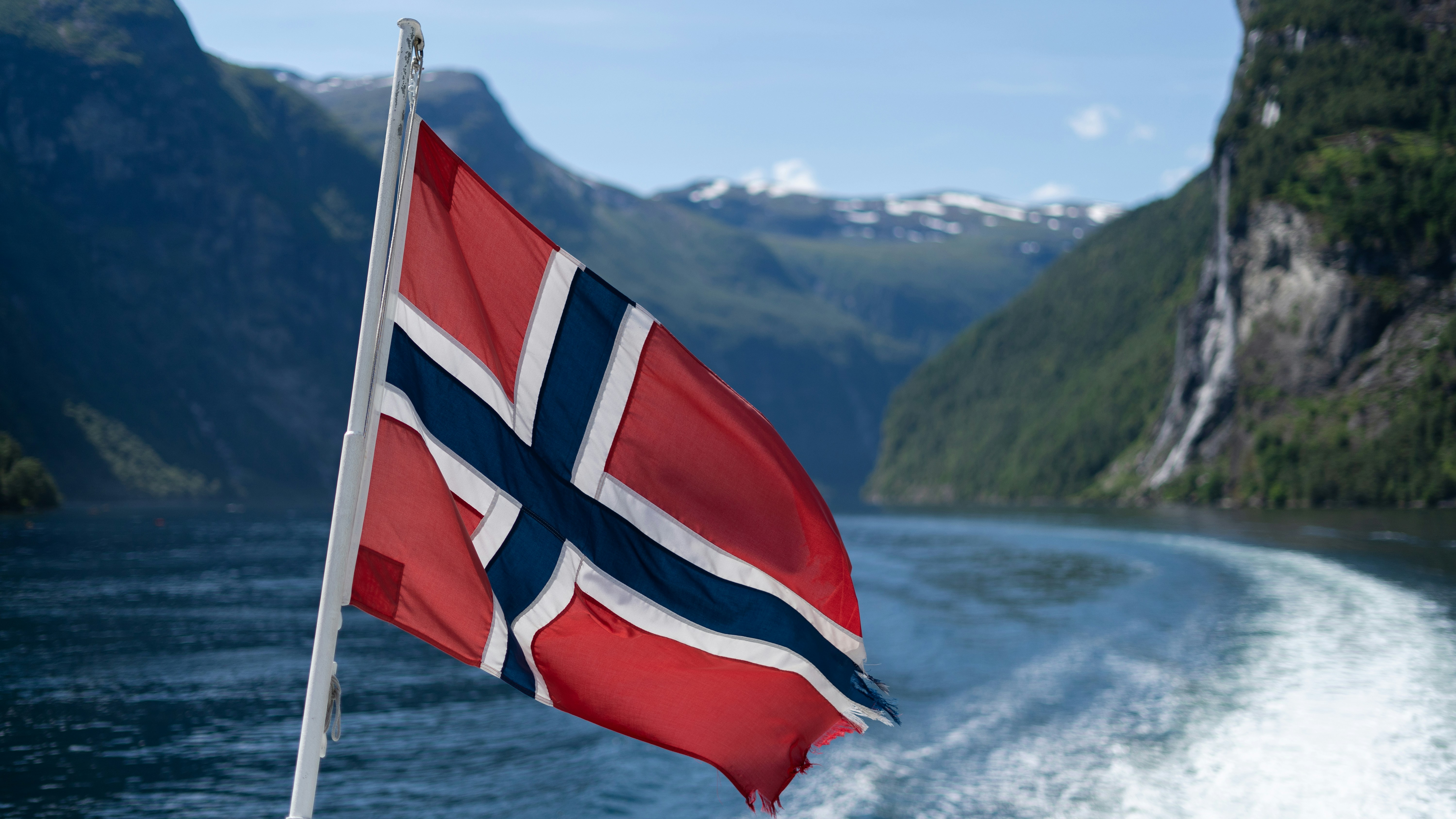
How Norway Governs Its Marine Economy
Marine economies worldwide face a common dilemma: how to extract economic value from oceans today without undermining their productivity tomorrow. As overfishing, marine pollution, and climate pressures intensify, governments are being forced to rethink how fisheries and ocean resources are governed. This article examines how Norway governs its marine economy as a long-term economic asset,…
-
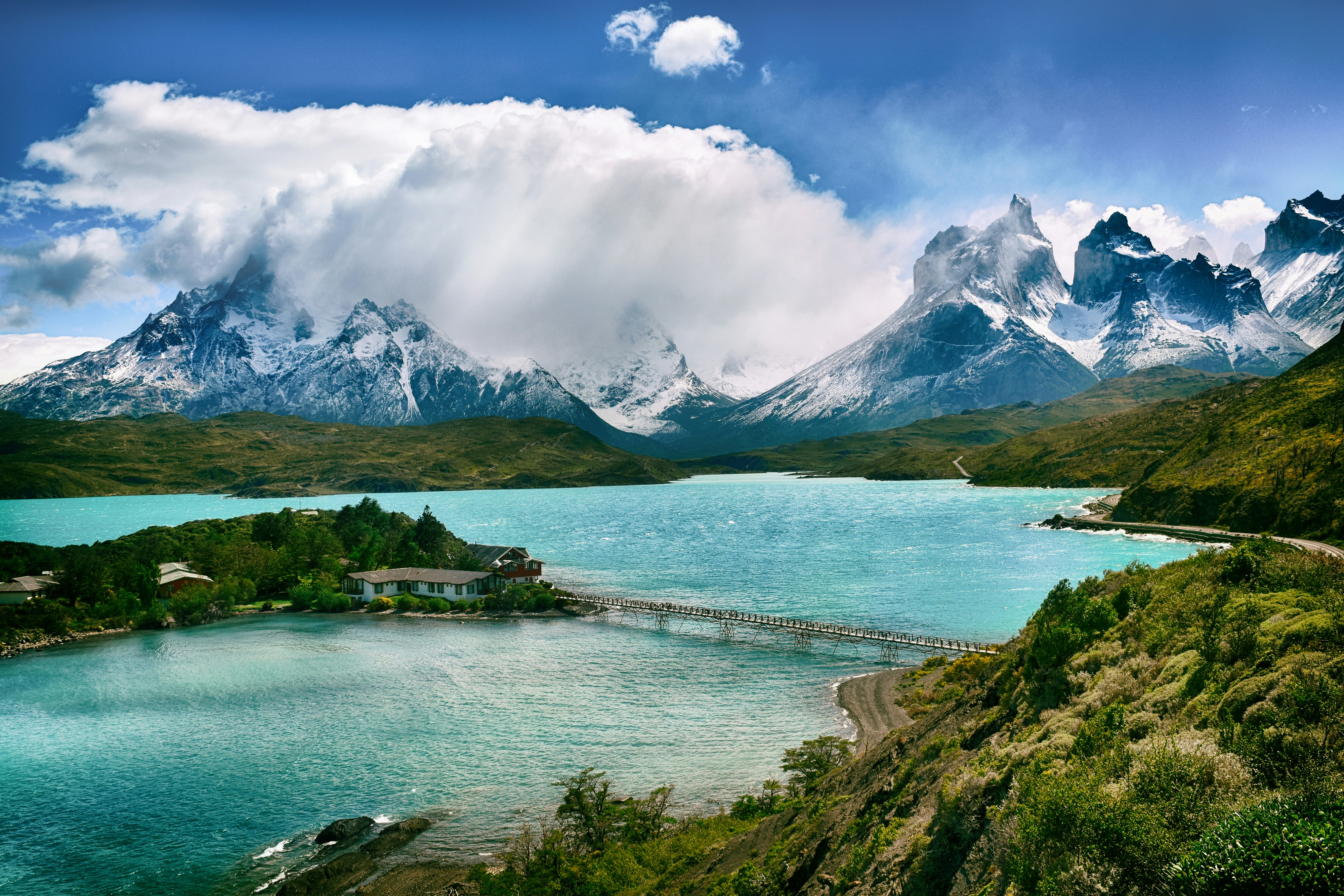
Chile’s Long-Term Climate Policy Design Covering SDG 13
Chile is extremely susceptible to climate change due to its geography that extends to the north into the Atacama Desert and to the south into glaciers. An increase in temperatures, a mega-drought that lasted ten years, and massive wildfires that consumed more than 430,000 hectares in 2023 have strained water systems, energy provision and human…
-
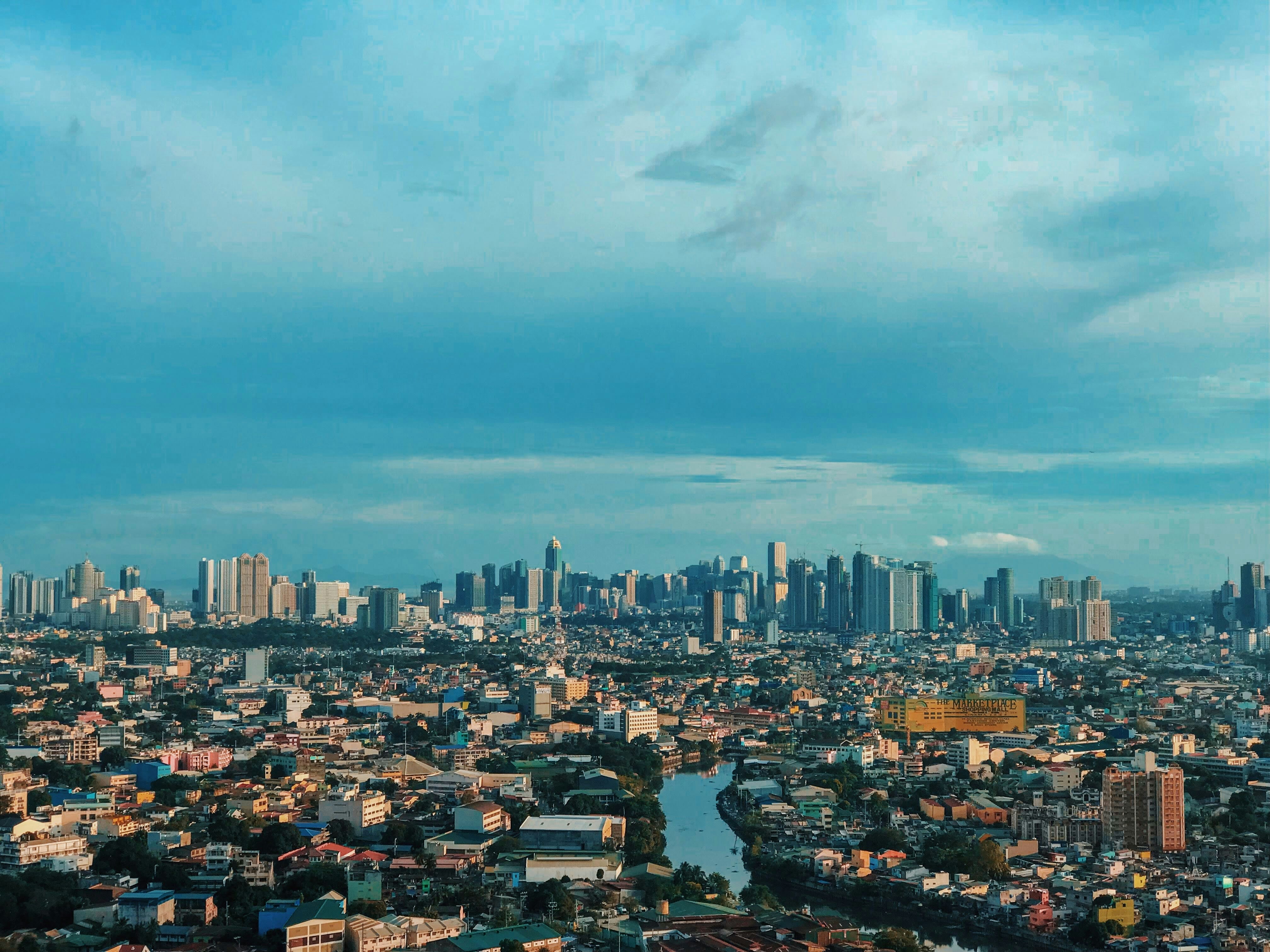
Achieving SDG 11 of Urbanisation’s Progress,Challenges, and Policy Innovations in the Philippines
Cities are more than concrete landscapes they are living stories of people’s dreams, hopes, and resilience. In the Philippines, this story is being rewritten through a collective commitment to build inclusive, safe, resilient, and sustainable communities, in alignment with Sustainable Development Goal 11. With around 48% of its population now living in urban areas, Philippines…
-
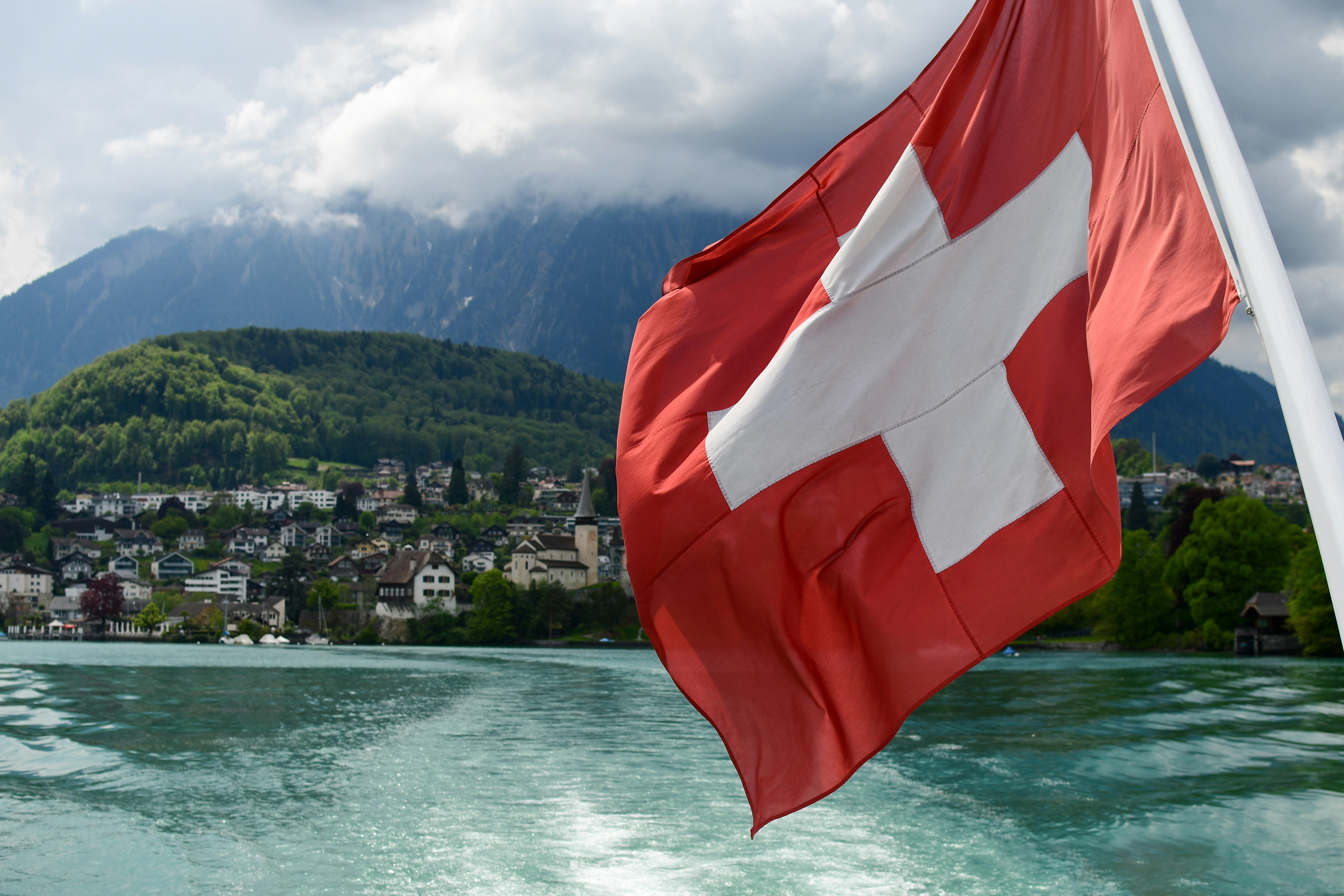
Switzerland’s Model of Industrial Growth of Policy and Preservation
Switzerland’s strong industrial landscape and infrastructure demonstrate its dedication to SDG 9. The nation’s emphasis on advanced industries is reflected in its high-tech sector, which employs over 700,000. It maintains one of the largest and most effective transport networks in Europe, with more than 7,500 km of rail lines and 71,000 km of roads, allowing…
-

Water Legacy of Singapore Beyond Infrastructure, Trust and Tech
Imagine a nation with no natural lakes, almost no groundwater, and one of the densest populations on Earth-yet it is celebrated globally as a model for water security. That nation is Singapore. Once dependent on external supplies and vulnerable to scarcity, it now meets over two-thirds of its demand through recycled and desalinated water, while…
-
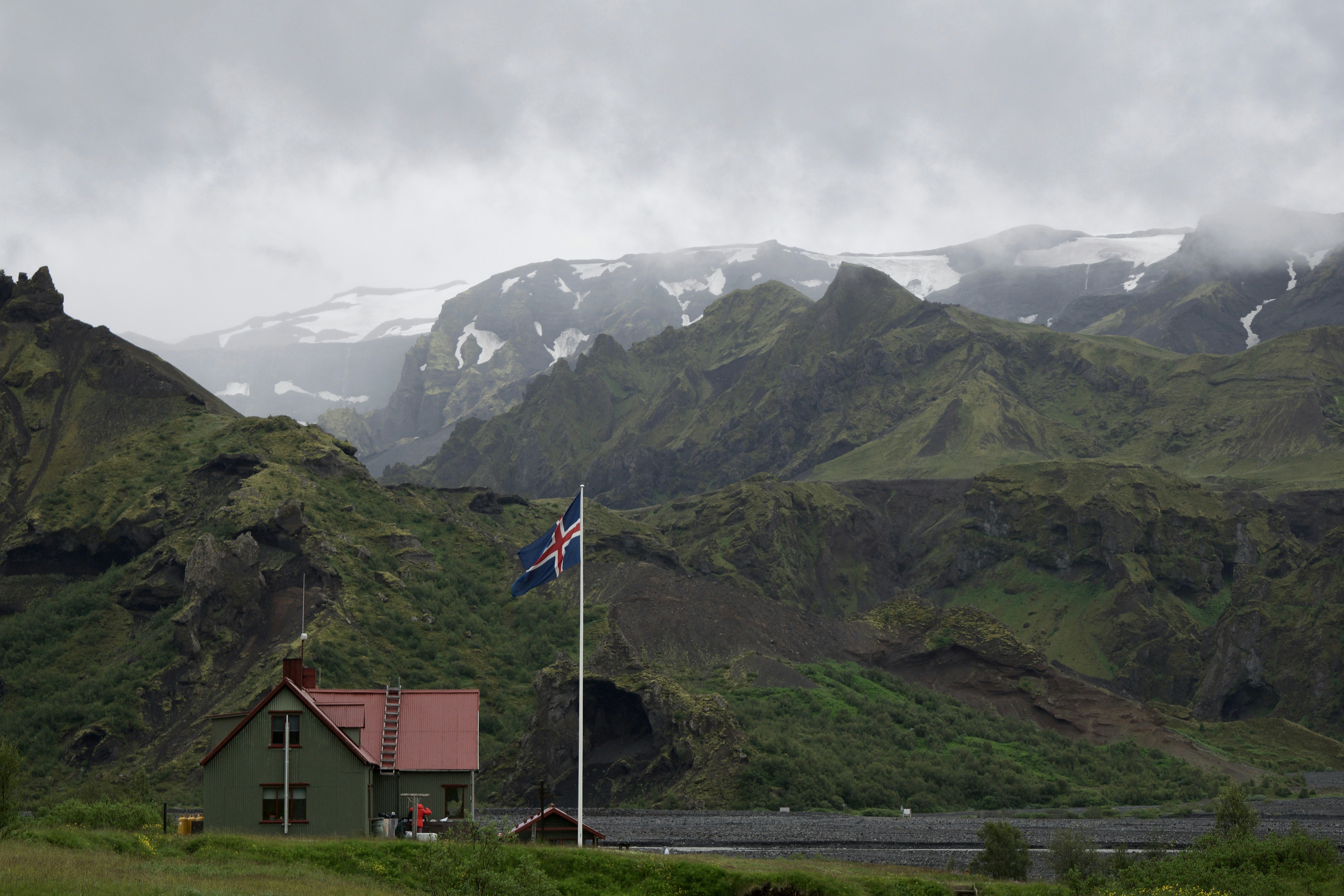
From Legislation to Leadership: How Iceland Advances Gender Equality
Iceland remains at the top of the Global Gender Gap Index, scoring 1st place in 2025 in the world to be the 16th year in a row. It is also the only country to exceed the 90 percent mark in the gender gap closure with 92.6 percent. Comparable levels of levels of education and health,…
-

Thailand’s lens of Sustainable Development for Public Health
The sustainable development goal number 3, has a vision where no one is left behind in health as a privilege. It requires a reduction of both maternal and child deaths, eliminating epidemics, and managing communicable and non-communicable diseases. The goal also focuses on mental health, road safety, reproductive services and prevention of substance abuse. Of…
-

Cultivating Resilience: Somalia’s Journey Towards Zero Hunger
The second Sustainable Development Goal is to end hunger and malnutrition in every form and to create sustainable food systems that will be able to help generations to come. The objective has a high priority to enhance the agricultural productivity and incomes of small-scale food producers especially to the women and pastoral communities and facilitate…