
Author: Parth Sovani
-

How Strategic Maritime Routes Shape Economic Power
More than 80% of global goods by volume, roughly 12,720 million tons as of 2024, are transported by sea (UNCTAD, 2025). That movement is not evenly distributed across open ocean; it is funnelled through a handful of narrow maritime passages. These are the world’s chokepoints, and they are where economic power is made and unmade.…
-

What the Hormuz Disruption Reveals About India’s Energy Security?
Over the past decade, India has achieved one of the most significant transformations in its social and energy policy landscape: the expansion of clean cooking fuel access. With over 332 million households connected to LPG and more than 10 crore beneficiaries under the Pradhan Mantri Ujjwala Yojana (PMUY), the country has successfully reduced reliance on…
-
India’s Solar Supply Chain Challenge
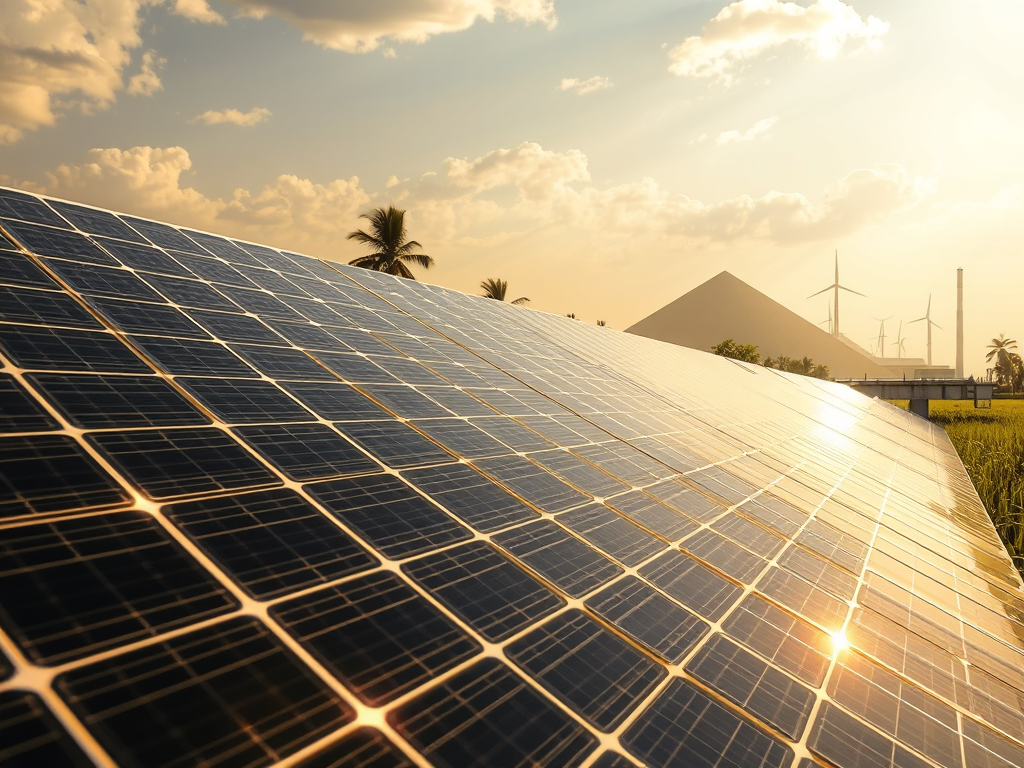
India is currently undertaking one of the fastest renewable energy expansions in the world. By December 2025, the country had installed 258 GW of renewable energy capacity, with solar accounting for over 53% of the total renewable mix. The milestone of deriving 50% of electricity capacity from non-fossil sources was achieved nearly five years ahead…
-
India’s PLI at a Crossroads: Assembly Success or Capability Trap?
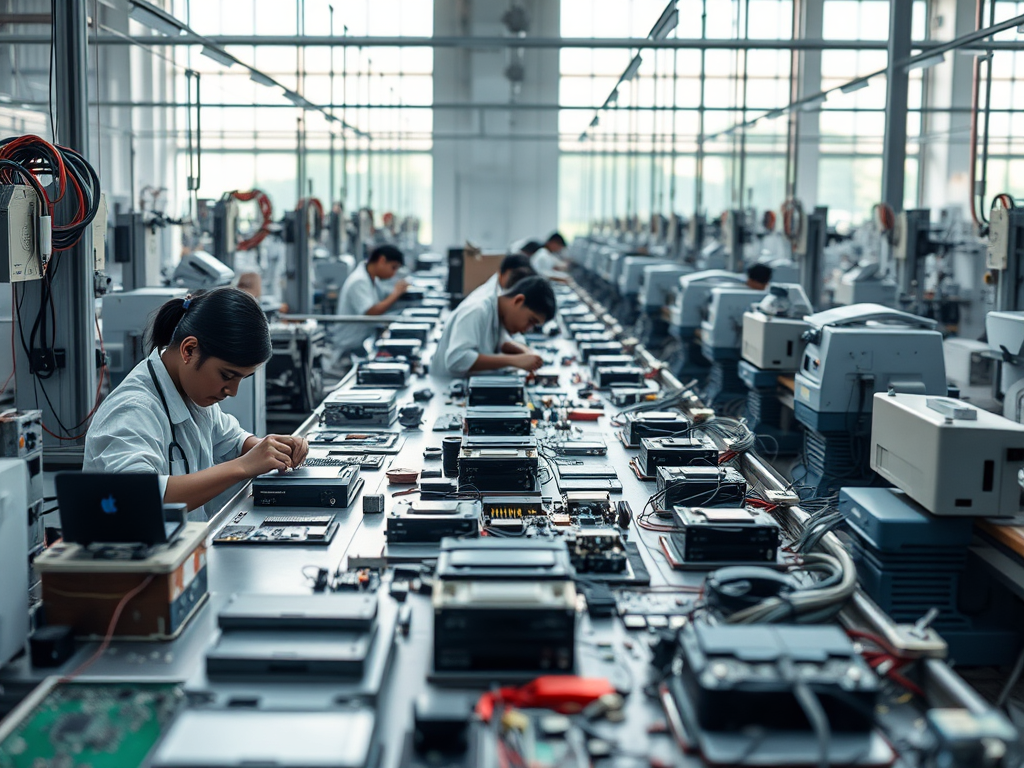
India’s Production-Linked Incentive (PLI) scheme, launched in 2020 with an outlay of ₹1.97 lakh crore across 14 sectors, represents the country’s most ambitious industrial policy intervention since liberalisation. Electronics production has more than doubled, smartphone exports have surged nearly eightfold, and mobile phones have become one of India’s top export categories within five years. By…
-

Takeaways for EU CBAM’s Impact on Indian Steel
The European Union’s Carbon Border Adjustment Mechanism (CBAM), entering its financial phase in January 2026, marks a structural shift in global trade. Unlike traditional tariffs, CBAM embeds carbon pricing into imports of carbon-intensive products. For India’s steel industry which contributes nearly 12% of manufacturing GDP and employs over 2 million people this is not a…
-
What do recent trends in Indian’s savings reveal?
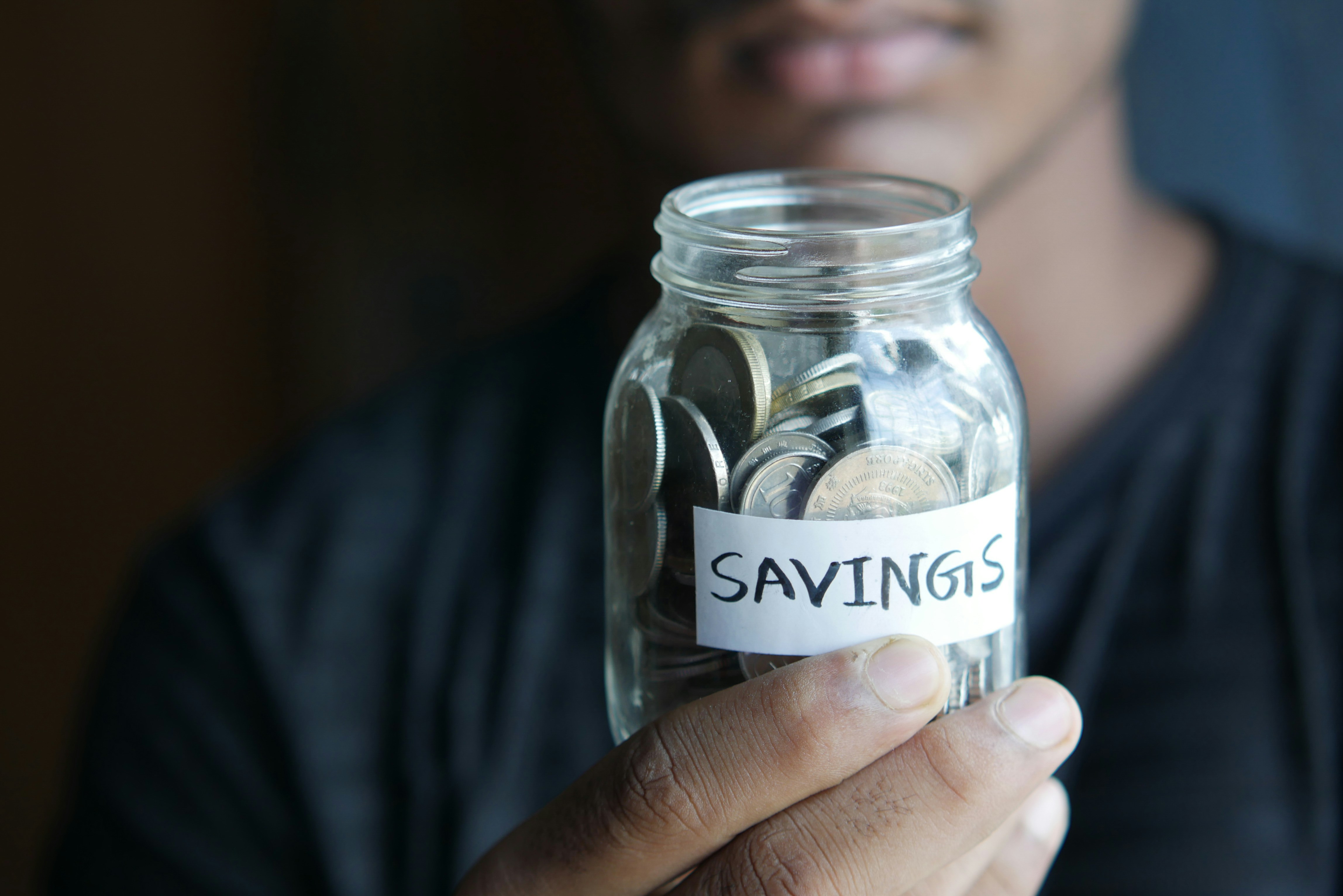
India’s Household Savings Rate TO GDP has been declining over the past decade at a time when consumption is strong, credit is easily available and the value of household assets are elevated. The combination of these factors either represents a healthy and strong signal of building up of the domestic market or is creating rising…
-

The Fragmentation Trap: Structural Reforms for India’s Agricultural Future
Agriculture is more than just an economic sector, but rather a socio-economic sector creating livelihood for almost half of India’s population. India’s target to achieve a ‘Viksit Bharat’ by the end of 2047, will depend on the transformation of the agricultural sector which is riddled with inefficiencies, stagnation and the structural challenges which have hampered…