
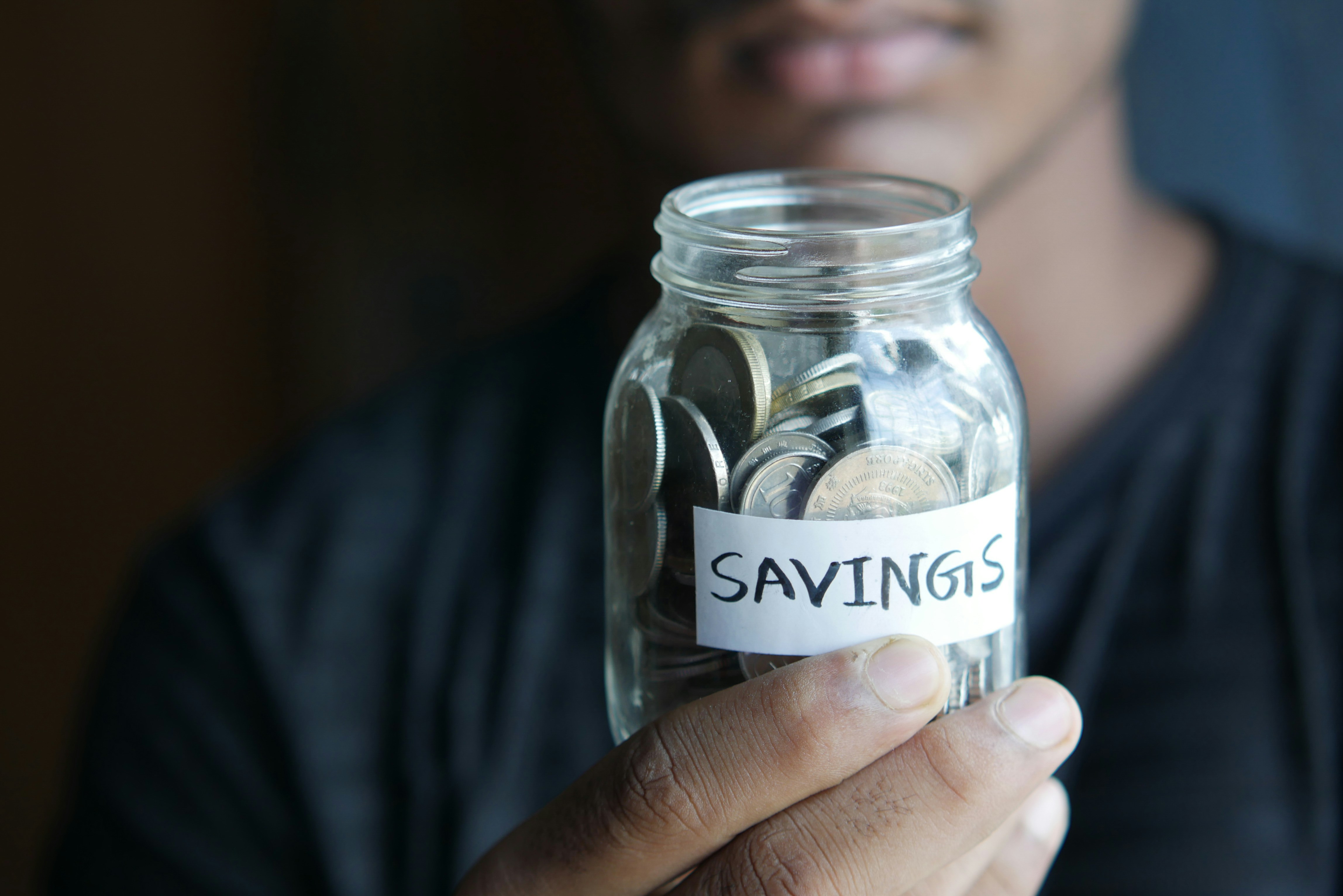
India’s Household Savings Rate TO GDP has been declining over the past decade at a time when consumption is strong, credit is easily available and the value of household assets are elevated. The combination of these factors either represents a healthy and strong signal of building up of the domestic market or is creating rising vulnerability beneath the surface by weakening financial savings and increasing exposure to shocks.
This article explores how declining household savings, rising leverage and shifting asset holdings interact to shape India’s economic resilience.
There are 3 components of the Gross Savings- households, corporates and government, with the households being the dominant contributor. As a result changes in the household savings pattern have a profound impact on the capital formation, financial stability and economic resilience.

The Gross Savings have gone down from a high of 37% in 2011-12 to decade low of roughly~30%. This trend is concerning not merely because savings have fallen but it has been driven by a large reduction in household savings. Savings not merely act as a safety net for households but represent the pool of domestic capital that finances investment. Before analysing the causes and effects of falling savings we first need to examine how Indian households save their money.

Analysis of the causes-
- Demand Boost Post Covid– The post-pandemic reopening led to a very strong rebound in consumptions from the households as they used the savings accumulated during periods of uncertainty. This release of pent-up demand led to a reduction in the savings rate, particularly among the middle-income households.
- Rise in Cheap Credit- The rapid expansion of consumer credit fuelled by digital lending platforms and buy-now pay-later products have reduced the need for precautionary savings. Households are increasingly choosing to finance products through EMIs, substituting credit for financial buffers. Non-housing retail loans, particularly Personal Loans, Credit Cards, and Consumer Durable Loans, now constitute over 40% of all retail loans, reflecting significant expansion according to RBI data. A damning statistic which shows credit–fuelled consumption- Roughly 1 in 4 Iphones bought in India is on EMIs or financing options.

3. High Inflation- The fall in household savings coincided with a period of elevated inflation. Consequently, even when incomes increased, the simultaneous rise in the cost of goods made it increasingly difficult for households to maintain their ability to save. Specifically, CPI inflation averaged over 10% in 2013 and remained near the upper limit of the RBI’s tolerance level through 2014-15. This persistent inflation eroded the real disposable incomes, particularly for middle-income households.

4. Consumption-Led Mindset- These factors, combined with a significant change in consumer behavior towards a consumption-driven mindset, emphasizing the need to consume as much, as quickly, and as conveniently as possible, have contributed to this situation.
Issues Caused
- Impact On Capital Formation- Traditionally household savings have constituted a large part of Gross Domestic Capital Formation, financing both physical investment and small-scale enterprise activity. The sustained decline in household savings has reduced the availability of long-term, patient domestic capital, weakening one of the structural foundations of investment growth.Currently investment levels have been sustained on the back of strong corporate earnings and FDIs, the composition of capital formation has shifted away from households-led investment. This has contributed to stagnation in household and informal sector investment, even as large-scale corporate expenditure has recovered. Reduced household savings also increase reliance on foreign capital flows and economic cycles, harming the long-term aspect and exposure to external risks. Over time this may affect the inclusiveness of capital formation. The erosion of household savings poses medium-term risks to both the stability and quality of India’s capital formation process.

- Vulnerable to Shocks– Falling savings and financing of the consumption through debt puts the household sector in an extremely vulnerable position to economic shocks. Lower savings rates reduce the ability of households to absorb income disruptions or unexpected expenses without resorting to borrowing or asset liquidation. Higher credit exposure exposes households to interest rate risks, as rising interest rates increase the costs of debt servicing. Global shocks such as commodity price spikes- especially oil prices, tightening global financial conditions, can transmit into domestic inflation and monetary tightening, leading to a vicious dynamic of lowering household income and increasing the debt servicing costs at the same time. With limited liquid buffers, households will be forced to reduce their consumption, amplifying the economic downturn. Debt-financed consumption in an environment of declining savings reduces household resilience and increases the economy’s sensitivity to external shocks.
However, a rather contrasting fact is that there has been a rise in the assets owned by households. This is in the back of the falling savings rate, which could indicate that households are more likely to invest rather than to save.
Asset Holdings

Distribution Of Asset Holdings-
- Rural households tend to prefer physical assets like land, gold, etc. reflecting precautionary motive and lack of access to formal credit. These assets are illiquid making them poor shock absorbers in times of income disruption.
- Urban households in contrast hold a higher share of financial assets- bonds, equities, insurance products, etc. These are market linked and much more volatile and linked to the global markets. These assets are most of the time liquid but are prone to wild fluctuations.
Does the Rise in Assets offset the falling savings?
Financial liabilities jumped Rs 8.2 trillion since pandemic, outpacing the increase in gross financial savings at Rs 6.7 trillion, thus explaining the fall in household net financial savings by Rs 1.5 trillion(2.5%) of GDP. On the asset side of households, there was an increase of Rs 4.1 trillion in insurance and provident and pension funds (SBI Data).
Although the decline in household savings does raise concern regarding the erosion of financial buffers and availability of domestic capital, the risk is being partially offset by the expansion of household balance sheets. Rising ownership of financial and physical assets has increased household net worth reflecting both financial participation and asset price appreciation. However, this offset is conditional rather than complete, as a substantial share of assets is illiquid or is subject to financial volatility, limiting their effect as shock absorbers.
In contrast to steady savings flow, asset-wealth is more sensitive to market and credit cycles. While rising household assets and sustained investment mitigate short-term risks, this shift creates vulnerability under adverse market conditions, thereby constraining the household financial resilience and the government’s fiscal headroom in periods of economic stress.
Global Comparisons
Globally many major economies have experienced a decline in Household Savings To GDP post the 2010 period, driven by financial inclusion, lower interest rates and a shift towards consumption and asset based wealth accumulation. In that sense India’s falling savings rate is not an outlier and in aggregate terms it does not lack dramatically behind economies such as China or other advanced economies. However the comparison has important caveats- Developed economies operate with deep capital markets, strong social security and mature financial safety nets that reduce household exposure and risks. India by contrast remains a developing economy with developing capital markets, weak social security, safer nets and a large informal sector. As a result, a similar savings rate can pose greater structural risks for India than for advanced economies.
Takeaways
India’s declining household savings should be viewed as a structural shift rather than an immediate crisis. Strong consumption, rising asset ownerships and sustained investment indicate that households and firms are not under acute stress. However, the composition of household balance sheets has changed in ways that reduce resilience- lower financial savings, rising reliance on credit and greater exposure to market-linked assets.
While asset accumulation partially offsets the falling household savings it is highly conditional with issues of liquidity, volatility and distribution. At the macro level capital formation has been sustained but increasingly on the backing of strong corporate investments and FDIs, shifting away from household savings. This combination narrows the economies margin for error, especially in face of adverse global shocks, tightening financial conditions or inflationary pressures.
To address a few policy responses should be tightening the rules and regulations for BNPL loans, consumption-linked loans to prevent over-leveraging of household finances. Additionally standardising, rationalising and enhancing the tax benefits around long-term savings and investments would incentivise productive, long-term investments over discretionary consumption.Also inclusion of informal workers in government savings, pensions or insurance schemes will ensure inclusive development.
The risk, therefore, is not of abrupt collapse but of heightened sensitivity to cycles and reduced policy buffer over time. Addressing this requires strengthening household financial buffers and improving the quality of savings and credit.





Leave a Reply