
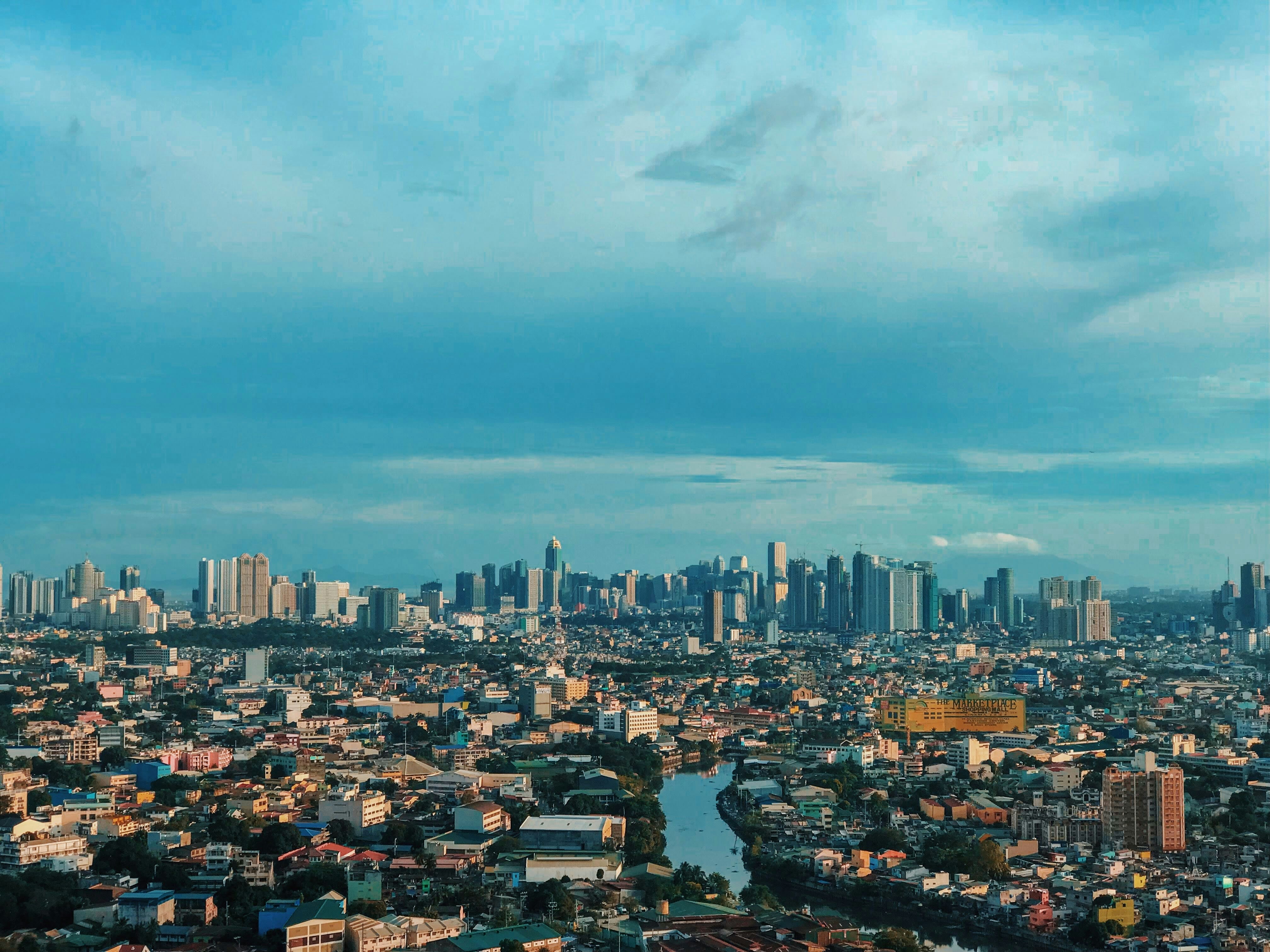
Cities are more than concrete landscapes they are living stories of people’s dreams, hopes, and resilience. In the Philippines, this story is being rewritten through a collective commitment to build inclusive, safe, resilient, and sustainable communities, in alignment with Sustainable Development Goal 11.
With around 48% of its population now living in urban areas, Philippines stands at a defining moment. Urbanisation has fueled growth and opportunity, yet also brought challenges such as housing shortages, traffic congestion, waste management, and vulnerability to natural disasters. Still, beneath these challenges lies an enduring Filipino spirit one that believes every community can thrive when guided by compassion, collaboration, and creativity.
Policy Framework for Sustainable Urbanisation
The Philippines has also made the SDG 11 goals correspond with national development plans through the various frameworks that have a focus on inclusiveness, resilience and environmental balance. Urban development was guided by the National Urban Development and Housing Framework (NUDHF) 2017–2022, a strategic policy under the Urban Development and Housing Act of 1992. The framework envisioned “better, greener, smarter urban systems in a more inclusive Philippines,” emphasizing cities that are economically vibrant, environmentally sustainable, climate-resilient, physically and digitally connected, and socially equitable.
A practical example of this planning is the New Clark City development in Tarlac and Pampanga, designed as a disaster-resilient, mixed-use urban center with climate-adaptive infrastructure, public parks, and integrated transport systems. The NUDHF laid the foundation for coordinated urban planning, guiding national agencies, local governments, and civil society in ensuring that urban growth results in inclusive, safe, and sustainable communities for all residents.
Housing and Community Development
Adequate housing is a critical component of sustainable urban growth. The Philippines has to address a huge backlog of more than six million units brought about by population increase, rural-to-urban migration, and informal settling.
Key initiatives include:
- Pambansang Pabahay Para sa Pilipino Program (4PH) aims at constructing one million housing units annually with integrated access to schools, healthcare, and transport.
- Disaster-Resilient Designs: Buildings are built using climate-adaptive materials for resistance against typhoons, floods, and earthquakes.
- Community-oriented planning: Neighbourhood designs incorporate common green areas, neighbourhood markets, and community centers to promote social bonds.
These ensure that housing projects are not just a shelter but a platform for resilient, sustainable, and inclusive communities.
Transport and Mobility
Modern urban mobility shapes how people live, work, and access essential services. In the Philippines, transport infrastructure covers roads, railways, airports, and ports, but rapid urban growth and rising vehicle ownership have created congestion and accessibility challenges.
Major initiatives include:
- Construction of high-capacity rail systems, including metro rail and commuter lines, to reduce travel times and ease congestion.
- Promotion of low-emission and non-motorized transport, such as electric jeepneys, bicycle lanes, and pedestrian-friendly streets.
- Integration of transport projects with urban planning to ensure connectivity with housing, commercial areas, and public amenities.
Policy innovations:
- Use of public-private partnerships (PPPs) and innovative financing models to accelerate infrastructure delivery.
- Design of transport systems that also enhance disaster resilience, such as elevated roads and flood-resistant railways.
- Focus on long-term planning to link transport, climate adaptation, and urban development objectives.
Challenges:
- High-capacity public transport coverage remains limited, particularly for lower-income urban residents.
- Implementation gaps exist between approved transport projects and actual execution due to budget constraints and planning delays.
- Geographic and climatic challenges, including flooding and typhoon risks, increase the complexity of transport planning.
Future directions:
- Expand integrated transport networks to connect new housing developments, commercial zones, and urban cores.
- Prioritize low-carbon solutions and active mobility to reduce congestion and emissions.
- Strengthen data collection and monitoring to improve planning, project prioritization, and resilience measures.
- Embed climate adaptation in transport infrastructure design to ensure long-term sustainability.
Participatory Urban Planning
The essence of urban development is that citizens are involved in shaping the policies, projects, and programs which affect their lives. Participatory planning has become one of the key strategies to achieve such goals of creating inclusive, responsive, and resilient urban communities in the Philippines.
Key Approaches and Impacts:
- Community Consultations and Public Hearings: People have their say on zoning, land use, infrastructure, and services to make projects responsive to local needs. By adopting the latter, cities like Quezon City and Iloilo have reclaimed public spaces and upgraded street networks, giving tens of thousands of residents a better life.
- Data-Informed Community Mapping: Participatory mapping identifies informal settlements, flood-prone zones, and service gaps. This has seen some local governments map more than 80% of the high-risk flood areas, therefore increasing disaster-resilient planning and emergency preparedness.
- Neighbourhood Councils and Urban Boards allow citizens’ representatives to take part in local decision-making on transportation, housing, and environmental management to make the process more transparent and representative.
- Mechanisms for Citizen Feedback: In addition, digital platforms and hotlines enable reporting on urban issues related to traffic congestion, waste disposal, and infrastructure needs. Participatory budgeting programs allow residents to recommend investments of up to 15–20% of municipal budgets, building more accountability and better resource allocation.
Urban Development Trends in the Philippines (2015–2023):

The graph shows progress in key urban sustainability indicators in the Philippines between 2015 and 2023, highlighting growth in green spaces and improved waste management, but also the continuing housing shortage and rising urban population.
Heritage and Cultural Preservation
Cultural and natural heritage protection plays a vital role in sustainable urban development and identity preservation, tourism promotion, and social cohesion. In the Philippines, heritage management brings together legislation, community involvement, and integration with urban planning.
Key approaches, impacts, and challenges:
- Legal and Institutional Frameworks: The National Cultural Heritage Act of 2009 established the Philippine Registry of Cultural Property and empowered the National Commission for Culture and the Arts.
Impact: More than 200 sites have been established as national historical shrines, monuments, or landmarks. More than 50 immovable cultural properties are officially protected as National Cultural Treasures.
Challenge: The enforcement is still uneven, with many sites still vulnerable to either neglect or illegal alterations.
- Restoration and Adaptive Reuse: These are historic sites such as Intramuros, Manila, Gabaldon school buildings, and heritage districts in Vigan that are restored and adapted for tourism, education, and civic use.
Impact: Revitalized districts attract tourism, generate local employment, and maintain cultural continuity.
Challenge: Limited funding, technical expertise, and climate-related risks such as typhoons and floods put sustainability at risk.
- Integration into Urban Planning: It integrates heritage zones into redevelopment projects, connecting cultural preservation to commercial, residential, and recreational areas.
Impact: Mixed-use planning helps to keep heritage sites relevant and accessible in support of urban economic activities.
The challenge arises because rapid urban development and commercial pressures can compromise conservation with no appropriate regulatory mechanisms in place.
- Community Engagement and Capacity Building: Communities take part in mapping, monitoring, and decision-making for conservation, supported by training to enhance their conservation competencies.
Impact: Enhanced public awareness, better stewardship, and local capacity in the management of heritage.
Challenge: Participation can be uneven, sometimes with underrepresentation from marginalized communities, and coordination with national agencies might face bureaucratic delays.
Disaster Resilience
The Philippines is highly exposed to natural hazards such as typhoons, floods, earthquakes, and volcanic activity, making disaster resilience a critical component of sustainable urban development.
Key Approaches, Impacts & Challenges:
- Strengthening Institutional Systems: Comprehensive frameworks integrate disaster risk reduction across national and local governments. Multi-hazard assessments guide urban planning, retrofitting, and emergency preparedness.
Impact: Improved institutional capacity and coordination have enhanced national planning, disaster response, and mainstreaming of resilience into city-level policies.
Challenge: Many local governments still face limited resources, insufficient trained personnel, and coordination gaps that slow policy implementation.
- Financial Risk Management: Programs such as catastrophe-linked bonds and contingency financing provide rapid access to funds after disasters.
Impact: These tools reduce delays in emergency response, protect public assets, and safeguard livelihoods.
Challenge: Coverage is still limited, particularly for smaller municipalities, leaving many vulnerable communities dependent on reactive funding.
- Infrastructure Resilience and Community Engagement: Climate-adaptive infrastructure projects include flood defences, slope stabilization, and retrofitting high-risk public buildings. Community participation ensures that local needs are addressed.
Impact: Programs have improved preparedness, strengthened local capacities, and fostered a culture of proactive risk management.
Challenge: Implementation can be delayed due to technical complexity, land-use constraints, and repeated exposure to hazards; many urban areas still experience significant disruptions from typhoons and floods.
Integrated Planning and Regional Coordination
Urban growth must be coordinated with regional development. The Philippines has emphasized:
- Linking urban and rural planning to ensure balanced development.
- Integrating disaster risk management and climate adaptation into infrastructure and zoning.
- Encouraging public-private partnerships (PPPs) for funding and innovative solutions.
- Strengthening governance mechanisms to improve resource allocation and service delivery.
Integrated planning ensures that cities grow sustainably, benefiting both urban and surrounding areas while maximizing economic and environmental efficiency.
Urban sustainability in the Philippines is no longer an abstract goal — it is a daily negotiation between growth, equity, and survival. The urban centers are becoming the laboratories of innovation, and with digitalization, environmentally friendly design, and engagement of citizens, the meaning of progress is being transformed. The new projects include smart city planning in Davao, prototypes of resilient housing in Tacloban and low-carbon mobility projects in Cebu indicate that change is established at the local level. What is notable is a change in the governance type, top-down, to the shared steward of urban areas, communities, and local governments as well as individual innovators have become co-creators of spaces that are Filipino identity and adaptability based. However, further development will need further continuity even outside of political cycles, more entrenchment in local data systems, increased combination of climate, culture, and commerce. The future Philippine cities will not only flourish due to infrastructure but also inclusiveness, vision, and harmony – cities where development will not simply be gauged by the GDP, but green space, social integration, and sustainability.





Leave a Reply