
October 2025
-

Innovation, Inequality, Industry: Why Markets Don’t Compete for Equality
Across industries, businesses operate under the same macroeconomic conditions, yet their outcomes differ dramatically. Some firms dominate global markets, while others struggle to remain competitive. Even within identical industries, performance gaps are expanding. This persistent divergence raises a critical question: if firms face the same environment, why do inequalities persist — and often intensify? The…
-

North East India’s path towards SDG 9 Infrastructure
The goal of sustainable development (SDG 9) is to build better roads, bring in new industries, and encourage clever new ideas. For India, achieving this goal is essential for the nation’s progress. In North East India (NER), building a simple bridge or laying a new railway line is far more complicated than anywhere else. The…
-
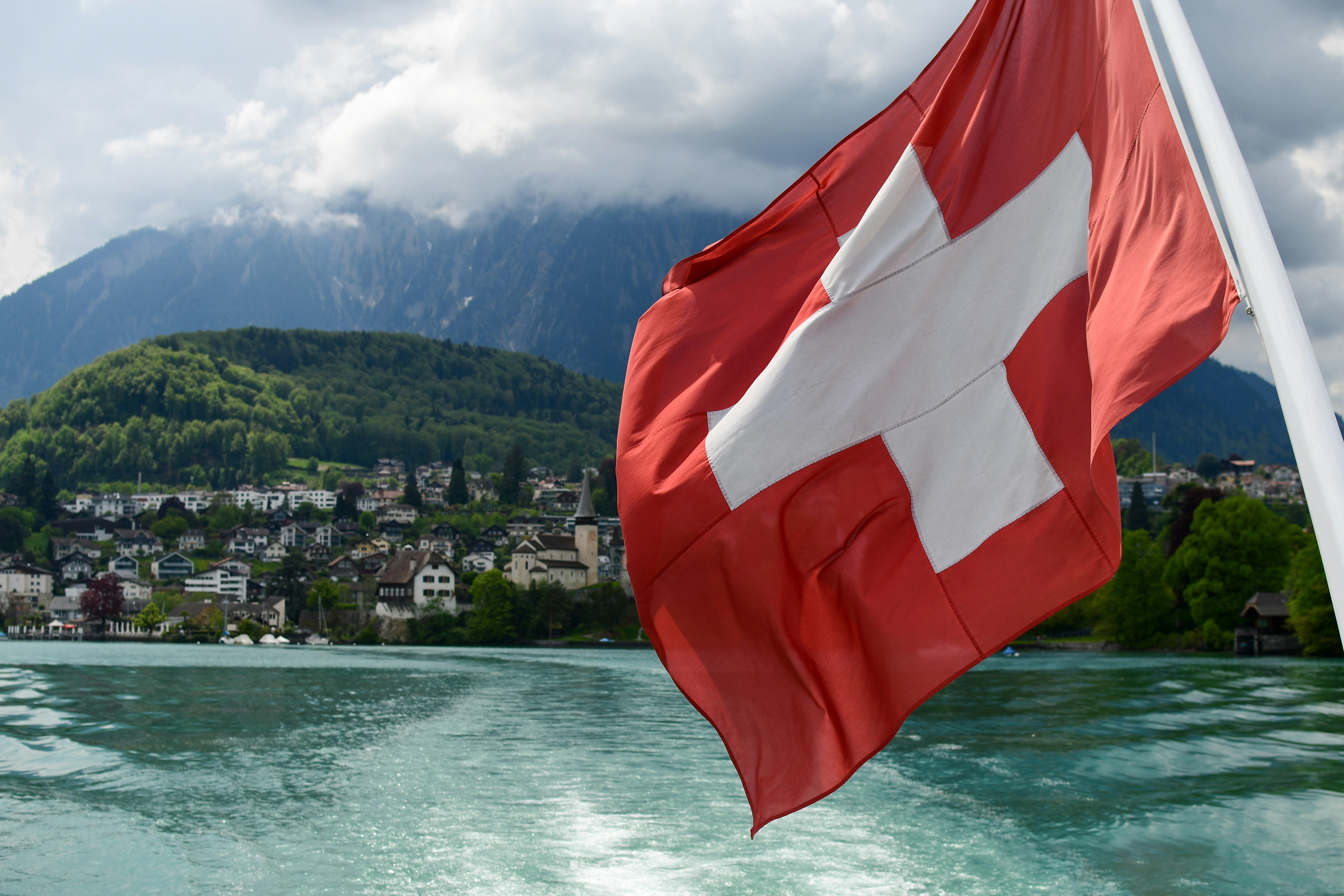
Switzerland’s Model of Industrial Growth of Policy and Preservation
Switzerland’s strong industrial landscape and infrastructure demonstrate its dedication to SDG 9. The nation’s emphasis on advanced industries is reflected in its high-tech sector, which employs over 700,000. It maintains one of the largest and most effective transport networks in Europe, with more than 7,500 km of rail lines and 71,000 km of roads, allowing…
-
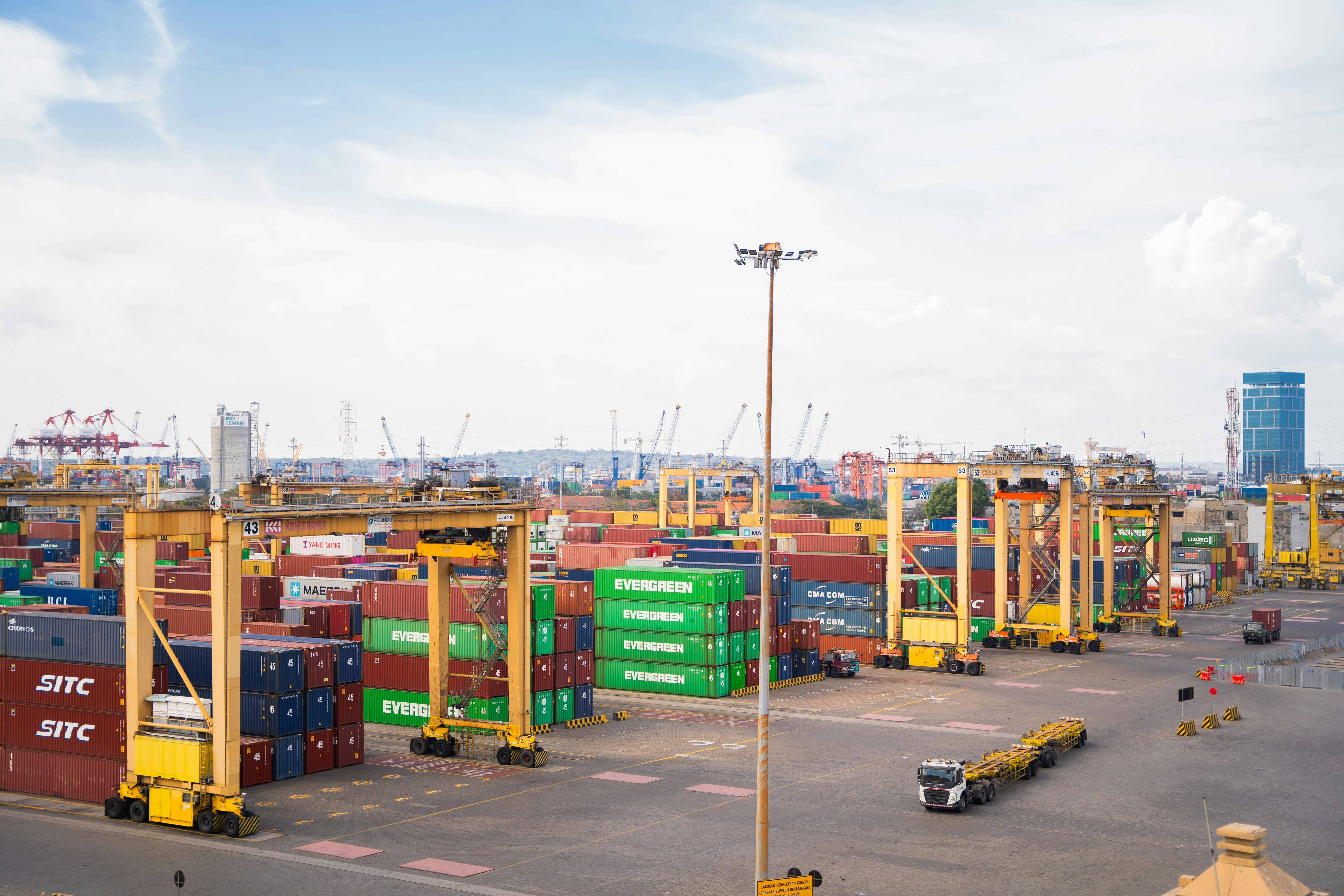
Strategic Lessons of Logistics and Supply Chain Management for Businesses & SDG 9
Sustainable Development Goal 9 (SDG 9) emphasizes the creation of resilient infrastructure, inclusive and sustainable industrialization, and the promotion of innovation. In today’s global economy, logistics and supply chain management (SCM) are critical enablers of these objectives. They influence production efficiency, cost structures, competitiveness, and the overall ability of firms to adapt to market and…
-

Understanding Climate-Resilient Infrastructure for SDG 9
Infrastructure underpins modern economies — from roads, bridges, and airports to water systems, energy grids, and digital networks. Yet, as climate change intensifies, these systems are increasingly exposed to extreme weather events, rising sea levels, flooding, droughts, and heatwaves. This raises a critical question: how can countries build infrastructure that can withstand shocks, adapt to…
-

Can Universal Social Security Be Sustainable? The Case of New Zealand
Around the world, governments struggle to balance the ideals of universal social protection with the realities of fiscal limits. Universalism — where benefits are given to all citizens regardless of income or contribution — is admired for its inclusivity and simplicity. Yet, critics argue that such generosity is fiscally unsustainable in the long run, particularly…
-

Why is “Jobs” a concern for Governments across the World?
Jobs are at the heart of politics, economics, and society. For governments across the world, employment is more than an economic indicator — it is a measure of legitimacy, stability, and social contract. Whether in developed economies facing technological disruptions, emerging markets grappling with demographic surges, or fragile states struggling with resource constraints, the question…
-

Importance of Labour Laws for both Employers & Employees
The Sustainable Development Goal 8 (SDG 8) — promote sustained, inclusive, and sustainable economic growth, full and productive employment, and decent work for all — sits at the intersection of economic competitiveness and social justice. Labour laws are a core policy instrument in achieving this goal. They regulate working conditions, wages, occupational safety, collective bargaining,…
-

SDG 8 and Rights, Challenges, Contributions to Economies of Migrant Workers
They are the people you may not always see the arriving labourer with a small suitcase at the railway station, the day-labourers quietly leaving before dawn, those from villages settling into the city and sending money back home. Migrant workers in India are among the country’s most resilient and underserved citizens, weaving together stories of…